Few moments in life feel as exciting—and nerve-wracking—as waiting for a home inspection report. You’re already mentally arranging furniture, picturing holidays, and imagining your life in the space, when suddenly a stranger with a flashlight and a clipboard starts looking for everything that could go wrong. A good inspection doesn’t just protect your money; it protects your future stress levels, your safety, and your long-term financial stability.
Some red flags are obvious, but others hide in plain sight, quietly waiting to drain your savings and your sanity. Knowing what to watch for gives you power, leverage, and peace of mind before you commit to the biggest purchase of your life.
1. Foundation Cracks That Tell A Bigger Story
Not all cracks are created equal, and that’s where buyers get confused fast. Small hairline cracks can come from normal settling, but wide, uneven, or stair-step cracks often signal structural movement. Doors that stick, sloping floors, and windows that won’t close properly usually join the party when foundation problems show up.
Foundation issues can cost tens of thousands to repair and often affect resale value long-term. If the inspector flags foundation concerns, bring in a structural engineer before negotiating anything.
2. Water Damage That Whispers “Mold Later”
Water stains on ceilings, walls, or baseboards rarely come from a one-time spill. They usually point to roof leaks, plumbing failures, or poor drainage around the home. Even if everything looks dry on inspection day, past water damage increases the risk of mold growth and hidden rot.
Mold remediation and structural repairs can explode into massive expenses quickly. Ask for moisture testing and find the source before assuming it’s “just cosmetic.”
3. Electrical Systems Frozen In Another Decade
Old wiring, outdated panels, and overloaded circuits are more than inconvenient—they’re dangerous. Knob-and-tube wiring, aluminum wiring, and undersized breaker panels raise serious safety and insurance concerns.
Modern homes demand more electricity than older systems were designed to handle. Electrical upgrades can cost thousands and sometimes require opening walls. Always ask whether the system meets current safety standards and insurance requirements.
4. Roof Problems That Drain More Than Rain
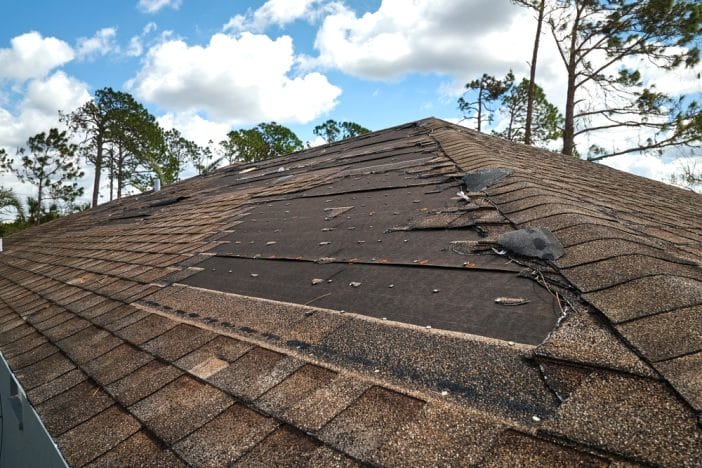
A roof doesn’t have to be leaking to be a problem. Curling shingles, missing flashing, sagging areas, and visible wear all signal expensive repairs ahead. Roof replacements can easily cost five figures, depending on materials and size.
If a roof nears the end of its lifespan, it becomes a negotiation tool, not a minor detail. Always ask for the roof’s age and expected remaining life before moving forward.
5. Plumbing Issues That Hide Behind The Walls
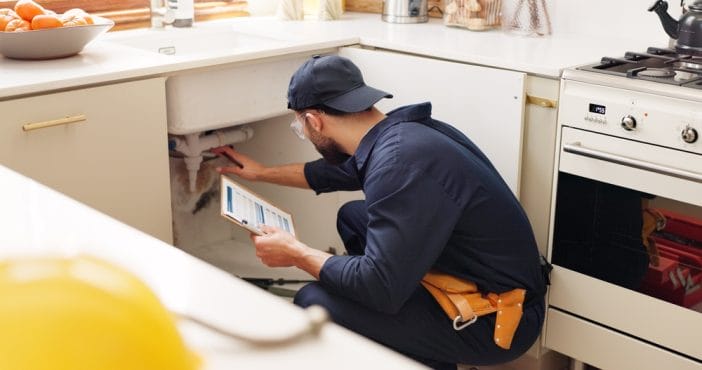
Slow drains, low water pressure, and rusty water point to deeper plumbing problems. Old pipes, especially galvanized steel or polybutylene, often fail without warning and cause extensive damage.
Plumbing repairs frequently require cutting into walls and floors, multiplying repair costs. Small leaks can turn into major structural damage over time. A camera inspection of sewer lines can save you from massive surprise expenses later.
6. HVAC Systems On Life Support
Heating and cooling systems don’t last forever, and failing units are expensive replacements. Strange noises, inconsistent temperatures, and outdated equipment usually mean big bills are coming.
HVAC systems affect comfort, air quality, and energy efficiency all at once. Replacing a system can cost more than many buyers budget for. Ask for service records and system age before you assume it’s “working fine.”
7. Poor Drainage And Grading Around The Home
The ground around a house matters more than most buyers realize. Poor grading that slopes toward the foundation invites water intrusion and foundation damage. Standing water near the home signals drainage issues that worsen over time.
Drainage problems often lead to basement flooding and structural damage. Fixing grading and drainage can involve landscaping, excavation, and foundation work.
8. Structural DIY Disasters
Not all renovations improve a home’s value or safety. Unpermitted additions, removed load-bearing walls, and sloppy renovations create hidden risks. DIY electrical and plumbing work often fails code requirements and safety standards.
Fixing poor renovations costs more than doing it right the first time. Make sure that you always verify permits and professional workmanship before trusting cosmetic upgrades.
9. Pest Damage That Goes Beyond “Gross”
Termites, carpenter ants, and rodents cause real structural damage, not just squeamish reactions. Wood damage weakens framing, floors, and support beams over time. As you can imagine, that can be very bad news for your home.
Pest problems often signal moisture issues and hidden entry points. Repairs involve extermination, reconstruction, and long-term prevention. Pest inspections protect both your wallet and your home’s integrity.
10. Poor Insulation And Ventilation
Bad insulation and ventilation quietly increase energy bills and moisture problems. Poor airflow leads to mold growth, condensation, and structural decay. Inadequate insulation makes heating and cooling systems work harder and cost more.
These issues affect comfort, health, and long-term maintenance. Fixing them often requires attic work, crawlspace improvements, and ventilation upgrades.
Why A Smart Inspection Can Save Your Future Self
A home inspection isn’t about killing your dream—it’s about protecting it. Red flags don’t always mean “walk away,” but they should always mean “slow down and investigate.” Knowledge gives you leverage to renegotiate, request repairs, or walk away confidently. The goal isn’t a perfect house; it’s an informed decision. A smart buyer doesn’t ignore red flags—they use them to build a safer, smarter future.
What’s the most surprising issue you’ve ever discovered during a home inspection? Give your opinions and advice in the comments below for others to learn from.
You May Also Like…
Why Skipping Inspections Backfires
8 Hidden Real Estate Fees Families Only Find After Death
10 Backyard Structures That Can Trigger a Property Tax Audit
Home Inspectors Reveal 7 Gun Owner Mistakes That Void Insurance Claims
5 Red Flags That A Phone Call Is A Scam
The post 10 Red Flags That Can Ruin Your Home Inspection appeared first on Clever Dude Personal Finance & Money.