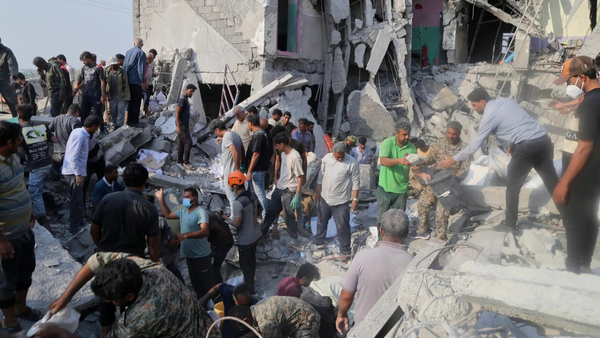
Immunization is one of the most powerful health interventions ever introduced. Every year, the World Health Organization estimates vaccines save between 2 and 3m children from killers such as polio, measles, pneumonia, and rotavirus diarrhea.
To mark World Immunization Week this year, we rolled out a new series on our blog focused on the lifesaving potential of vaccines against four illnesses that kill more than 2m young children a year: malaria, pneumonia, rotavirus, and Japanese encephalitis. From my perspective as PATH's director of Vaccine Development, here are the top 10 ways vaccines make a difference for children and for global health:
10. Vaccines lower the risk of getting other diseases
Contracting some diseases can make getting other ones easier. For example, being sick with influenza can make you more vulnerable to pneumonia caused by other organisms. The best way to avoid coinfections is to prevent the initial infection through vaccination.
9. They keep people healthier longer
Some vaccines protect people for a limited time and require booster doses; others protect for a lifetime. Either way, vaccinated people are much safer from many serious diseases than people who haven't been vaccinated, both in the short and long term.
8. They are relatively easy to deliver
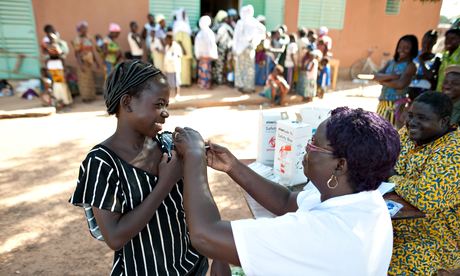
Through national immunization programs and mass vaccination campaigns, vaccines can be delivered quickly to large numbers of people, providing widespread protection. Also, thanks to creative strategies, delivery in even the remotest parts of the world is becoming easier.
7. They prevent disease where medical care isn't an option
Too many children die because high-quality care is unavailable. When a child in poverty gets sick, medical care could be inadequate or several days' travel away. Stopping disease before it starts could be that child's only lifeline.
6. They play well with other interventions
Vaccines complement other global health tools. We're seeing this with the integrated strategy to protect, prevent, and treat pneumonia and diarrhea through basic sanitation, safe drinking water, hand-washing, nutrition, antibiotics, breastfeeding, clean cook stoves, antibiotics, zinc, oral rehydration solution, and vaccines. Leveraging these tools across diseases could save the lives of over two million children by 2015.
5. They continue to evolve
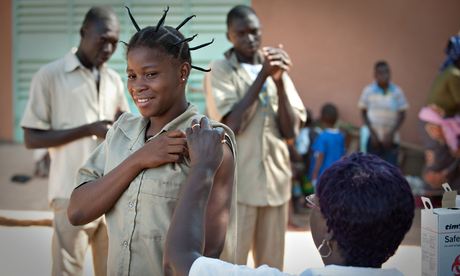
Tackling unmet health needs requires us to continue to pursue the next generation of better and more affordable vaccines. Candidates like RTS,S for malaria and ROTAVAC® for the leading cause of severe diarrhea - rotavirus - are two examples of innovative technologies on the horizon that give families and communities more cause for hope.
4. They indirectly protect loved ones and communities
For many diseases, immunising a significant portion of a population can break the chain of transmission and actually protect unvaccinated people — a bonus effect called herd immunity. The trick is immunizing enough people to ensure that transmission can't gather momentum.
3. They are safe and effective
Vaccines are among the safest products in medicine and undergo rigorous testing to ensure they work and are safe. Their benefits far outweigh their risks (which are minimal), especially when compared to the dire consequences of the diseases they prevent. Vaccines can take some pretty terrible diseases entirely or nearly out of the picture, too. That's the case with smallpox and polio, and others will follow.
2. They are a public health best buy
Preventing disease is less expensive than treating severe illness, and vaccines are the most cost-effective prevention option out there. Less disease frees up health care resources and saves on medical expenditures. Healthier children also do better developmentally, especially in school, and give parents more time to be productive at home and at work.
1. They save children's lives
Roughly two to three million per year, in fact. In short, vaccines enable more children to see their fifth birthdays, let alone adulthood. That's reason enough to top my list.
The series:
• Malaria: is vaccine against a parasite possible?
• Pneumonia: smart vaccines to fight the number of child killer
• Rotavirus: preventing killer diarrhea
• Japanese encephalitis vaccine: the affordable answer to Asia's "brain fever"
• John Boslego, managing director, directs PATH's Vaccine Development Program
All content on this page is produced and controlled by PATH