Image source: shutterstock.com
Playgrounds have changed dramatically over the last few decades, and many parents are surprised to realize how many familiar setups are fading away. Some shifts come from updated safety research, while others reflect changes in manufacturing, maintenance costs, and evolving community expectations. Understanding which playground designs are disappearing helps parents appreciate why newer play spaces look so different today and what children may be missing out on. It also gives families ideas for what to look for in local parks, especially if they want their kids to enjoy a wide range of physical and imaginative experiences.
1. Classic Metal Slides Losing Their Shine
Classic metal slides were once the centerpiece of many playground designs, but they are becoming increasingly rare due to safety and temperature concerns. Many parks have replaced them with plastic alternatives that stay cooler and reduce the risk of burns. While metal slides were incredibly durable, they required more maintenance to prevent rust and sharp edges. Parents who remember the thrill of extra fast sliding won’t find that same experience as often anymore. Communities continue to phase out these traditional structures in favor of safer, modern materials.
2. Wooden Play Structures Showing Their Age
Wooden structures were a nostalgic favorite, offering a natural look that blended into parks and neighborhoods. Over time, however, these playground designs have declined because wood can splinter, warp, or rot. Even treated wood needs frequent inspections and expensive upkeep that many communities struggle to fund. As a result, plastic coated and metal hybrid structures have become the standard. Many families miss the charm of wooden forts, but safety requirements have made them less common.
3. Old School Merry Go Rounds Spinning Away
The classic metal merry go round allowed kids to test their strength, coordination, and bravery. Yet many of these playground designs have disappeared due to the high risk of falls and injuries. Modern versions exist, but they turn more slowly and have added safety brakes. Traditional spinning platforms required more supervision, which many parks couldn’t consistently provide. Today’s alternatives are designed to offer movement without overwhelming speed.
4. High Monkey Bars No Longer Reaching New Heights
Tall monkey bars were once a rite of passage for adventurous kids. These elevated playground designs are now disappearing as standards shift toward lower fall heights and softer landing zones. Many parks have replaced tall bars with shorter climbing structures that still promote strength while minimizing injury risk. Parents may notice that playgrounds today focus more on inclusive and low access climbing options. Safety has taken priority over height when it comes to modern play structures.
5. Seesaws Balancing on the Edge of Extinction
Traditional seesaws, with their sudden drops and potential for rough landings, are being phased out rapidly. Older playground designs featured seesaws with metal seats and simple pivot points that required skill and cooperation. Many parks now opt for spring based or platform style designs that reduce the risk of kids getting bumped or bounced hard. While safer, these versions offer a very different experience compared to the original. The classic up and down motion is fading from many play spaces.
6. Tire Swings Fading from the Picture
Tire swings brought a wild mix of spinning and swinging that kids loved. But as playground designs evolve, tire swings have become less common due to maintenance, pest concerns, and unpredictable movement patterns. They can hold water, attract insects, and require frequent sanitation. Many parks have replaced them with molded seat swings or inclusive bucket designs instead. While beloved by many parents, tire swings are disappearing from modern public playgrounds.
7. Long Metal Balance Beams Losing Ground
Balance beams used to be a standard feature that helped children develop coordination and stability. Today, many of these playground designs are being replaced with low, wide beams or stepping pods that have less fall risk. Older versions were narrow and often made of metal, which could become slippery in wet weather. Modern playgrounds aim to offer similar challenges with fewer safety hazards. Though different, alternative balancing features still help children build key motor skills.
8. Stand Up Spinners Slowing to a Stop
Stand-up spinners let children grip a vertical pole and rotate quickly by leaning their bodies. Yet these classic playground designs are disappearing as parks move toward controlled speed equipment. Traditional spinners allowed for high-speed rotations that often led to dizziness or falls. Newer models include built-in speed limits for safer play. Parents nostalgic for old school spinners may need to search harder to find one still standing.
9. Rope Climbs and Nets Shrinking in Size
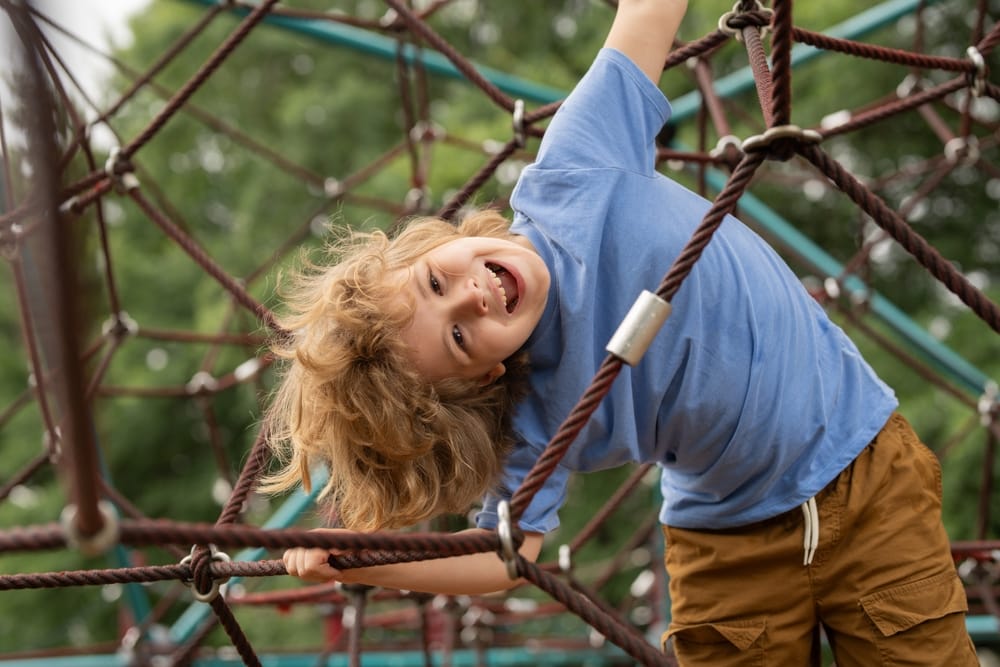
Large rope nets and climbing webs once offered big physical challenges. Over time, many communities have reduced or removed these playground designs due to entanglement concerns and wear issues. Smaller nets and protective anchoring systems are becoming more common. Parks want to maintain climbing opportunities while meeting stricter guidelines. The result is gentler, more managed versions of what used to be large-scale rope challenges.
10. Metal Fire Poles Sliding Out of Sight
The fire pole was once a favorite feature that allowed kids to slide quickly from upper platforms to the ground. These fast-paced playground designs have faded due to fall risks and difficulty ensuring proper landing surfaces. Fire poles demand a strong grip, upper body strength, and coordination that not all kids possess. Many newer playgrounds have replaced them with enclosed slides or gradual ramps. While exciting, fire poles are becoming rare in public play areas.
Why Old Favorites Matter More Than We Realize
Seeing familiar playground designs disappear can feel like losing a piece of childhood. Many of these structures encouraged risk-taking, confidence-building, and physical skill development. While today’s safer playgrounds are invaluable, parents can still seek out parks that offer a mix of tradition and modern design. When families recognize what’s changing, they can advocate for balanced play spaces that blend safety with challenge.
What disappearing playground feature do you miss most? Share your thoughts in the comments.
What to Read Next…
- 9 Unwritten Playground Rules That Cause Real Conflict
- Playground Safety: How to Ensure Kids Stay Injury-Free
- 11 Class Field Trips That Come With Unexpected Risks
- Playground Dangers: 8 Pieces of Playground Equipment That Could Seriously Injure Your Child
- 7 Family Outings That Sound Fun—Until Someone Ends Up in the ER
The post 10 Playground Designs That Are Quietly Disappearing appeared first on Kids Ain't Cheap.