Sick of watching movies with someone who always reads the book? Tired of listening to them complain about how the novel did it better? Lucky for you, here’s a list of ten movies that are better than the literary original, so you can rub the cinematic improvements in your friend’s well read face. Get ready to feel superior, because these masterpieces outdo the works of literature that inspired them – letting your tear a page out of your condescending friend’s book for a change.
Stand By Me

While many people point to It or The Dark Tower as Stephen King’s magnum opus, I personally think his best work is a little short story known as The Body – which was adapted into Rob Reiner’s Stand By Me. It’s the story of four boys who hear a rumor about a kid who was struck dead by a train, so they set out down the railroad tracks to find the body. Stand By Me is the ultimate coming of age story, one that teaches a terrible lesson that every child must learn: this world doesn’t care if you’re a kid, if you’re not careful, it will kill you all the same. While the film is only marginally better than the masterpiece original, it features some notable improvements. The summertime cinematography, the heartstring-tugging score, and the infamous one-liner “no Ace, just you” – none of these are in the book. The film is better for it.
The Exorcist

The script for William Friedkin’s The Exorcist has the advantage of being written by William Blatty, the same guy who wrote the book. The plot follows a famous actress whose daughter begins showing signs of demonic possession, leading her to seek out the spiritual help of two local priests. Don’t get me wrong, the book is absolutely terrifying, and dives a little deeper into the sinister psychology of the possessing demon Pazuzu. However, when it comes to terror, the cinematic adaptation delivers more than the book ever could. The horrifying hospital scenes, the jump scare demon faces, the dreadful dream sequences, the iconically creepy stairwell – none of these are featured in the original novel. If you’re looking for something to deepen your understanding of them film, read the book. If you want the flesh-crawling horror that Blatty intended, the movie is the obvious choice.
Annihilation
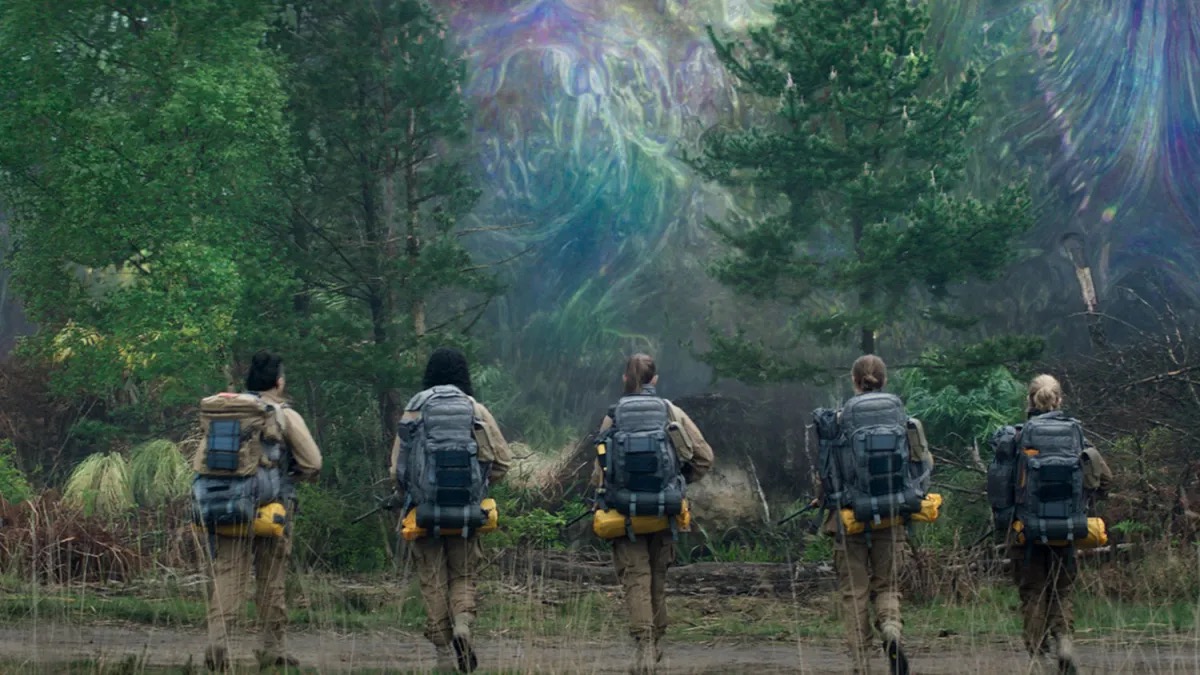
The first of Jeff VanderMeer’s Southern Reach trilogy, Annihilation is an atmospheric novel that requires two sequels to really make sense of. Alex Garland’s cinematic interpretation tells you everything you need to know in one terrifying two hour package. An environmental anomaly is spreading across an undisclosed stretch of Earth’s wilderness, and a five woman team of scientists is sent to investigate. After crossing the border of The Shimmer, the women discover that the anomaly has begun mutating their bodies and minds – all to serve an intelligence that they don’t completely comprehend. One of the best cosmic horror stories ever told, the film features some jaw-droppingly terrifying sequences. The killer crocodile? The mutant bear? The alien doppelgänger? None of these are in the original novel.
The Princess Bride
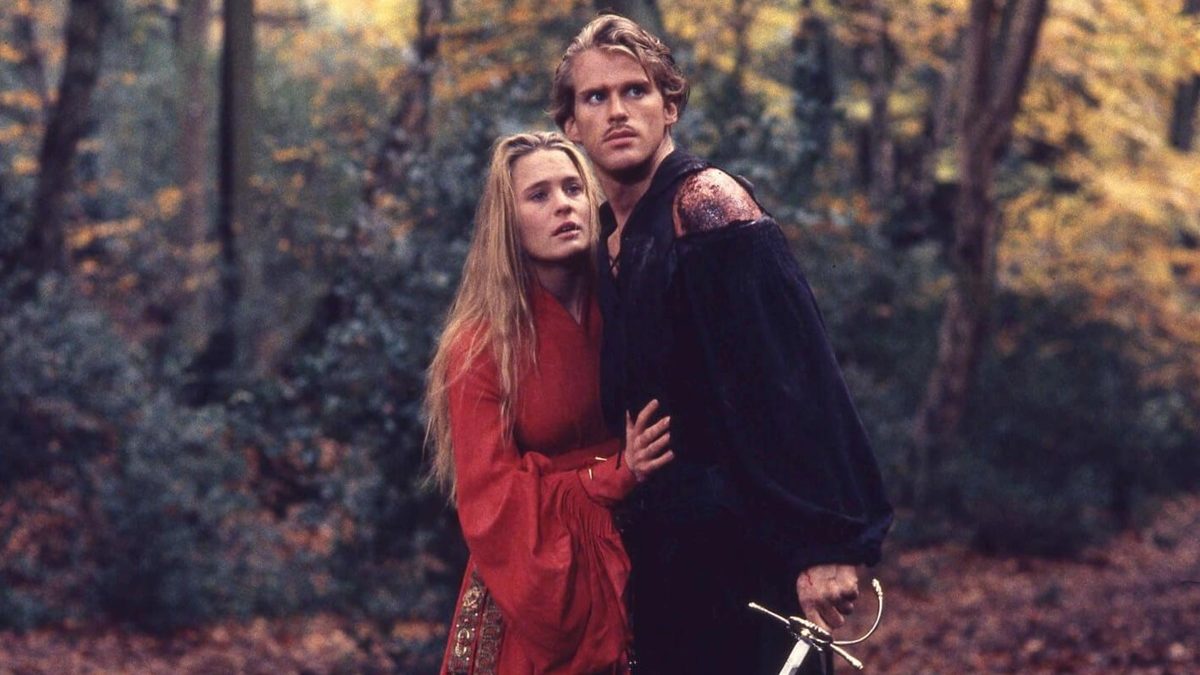
Inspired by a story within a story by William Goldman, The Princess Bride works so much better as a film. Framed as a fairytale told by a grandfather to his sick grandson, the film follows the epic romance between a farmer’s daughter named Buttercup and her beloved Wesley. Goldman also wrote the original novel, and streamlined the story for the film – successfully trimming narrative fat in the process. The book features much more backstory for each character, but the added information only muddles the mystery. These characters work well because they’re archetypes: the vengeful warrior, the evil king, the young lovers. Their lack of complicated character traits make each feel larger than life, and lets the viewer’s imagination fill in the gaps. It’s a fairytale, don’t overthink it.
Fight Club
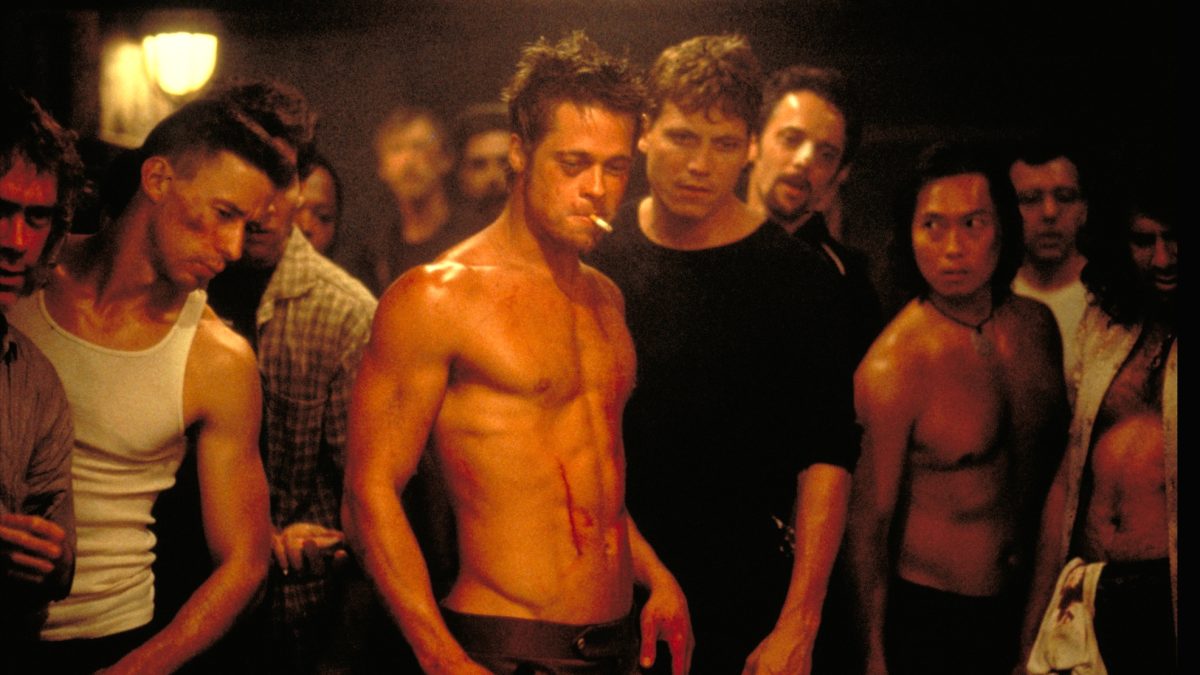
According to Fight Club‘s author Chuck Palahniuk, David Fincher’s adaptation is better than the original. Naturally, it all boils down to the ending. The climax of Fight Club the film is one of the most iconic in cinema history: the Narrator and Marla stand watching the fruits of their chaotic labor come into full bloom. In the book, this skyscraper toppling ending sequence is nowhere to be found. After shooting himself to be rid of Tyler Durden, the book’s Narrator wakes up in a hospital bed that may or may not be heaven. It’s not a bad ending, per se, it just pales in comparison to the cinematic drama of watching a city fall apart. As whole, the film tends to physicalize that Narrator’s inner turmoil. The scene when he beats himself up in the office? Not in the book at all. The part where the Narrator fights the mechanic? Doesn’t happen. I’m sure the participants in Fight Club agree, real violence is always more interesting than the imagined kind.
Shrek

Yes, Shrek was originally a book – a picture book! William Steig’s original is about an ugly monster who goes out into the world and, after a series of sociopathic acts, marries a princess who is just as ugly as he is. There’s no lesson learned here. Book Shrek is an antisocial dickhead who revels in being the bad guy. Film Shrek? He’s an entirely different breed. Film Shrek is a hard done by character who simply wants to be left alone, free from a world that hates and fears him. In the process of answering adventure’s call, he realizes that even ogres like him are worthy of love. It’s an ultimately heartwarming story that goes so much deeper than the original book its based on, a thematically rich tale that manages to be both hilarious and moving Besides, Shrek slamming open the outhouse door to the sound of Smash Mouth changed the brain chemistry of millions of children. Did the book do that? Hardly.
The Lord of The Rings
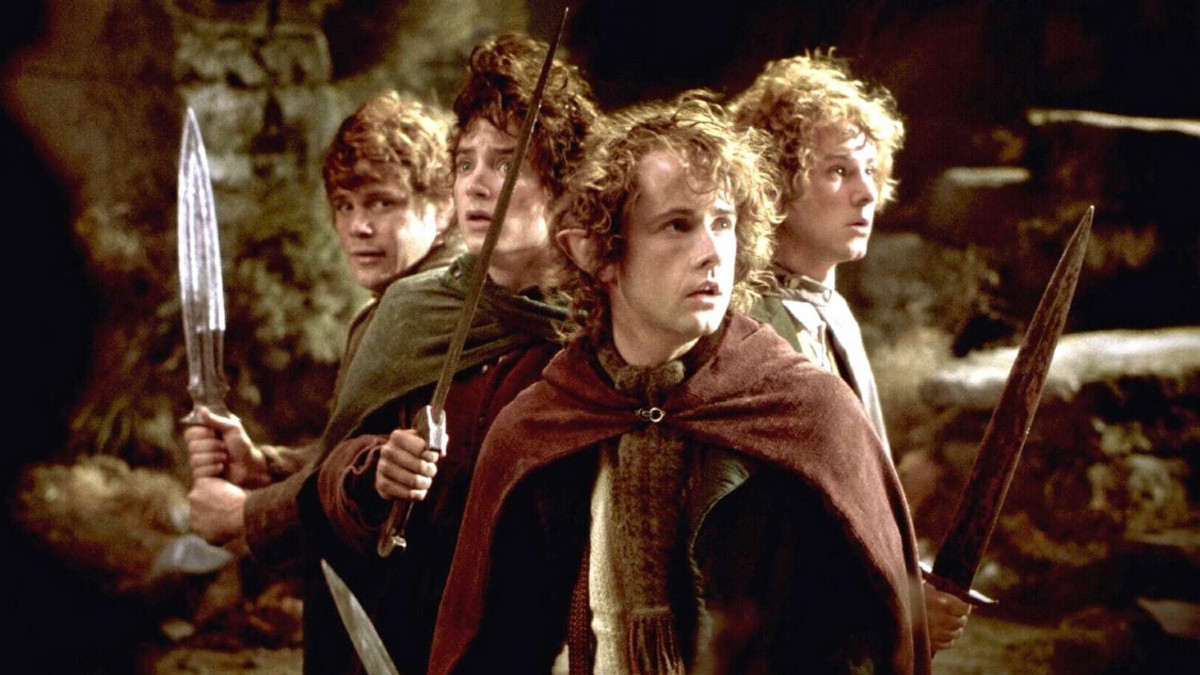
I’m gonna get stabbed with morgul blades in the comments, but as someone who loves both the books and films, I think that The Lord of The Rings is infinitely better as a movie trilogy. No shade to Tolkien, but Peter Jackson’s films trim the narrative fat. In The Fellowship of The Ring film, Frodo’s quest to chuck the ring into a volcano takes a few weeks to get going at best. In the book, it takes him seventeen years to leave the house. And when he does leave the house, most of his time is spent listening to people sing songs with no melodies. Instead of a glorious soundtrack by Howard Shore, the reader is subjected to pages and pages of song lyrics sung by its characters, reading which are about as fun as reading regular song lyrics. Don’t get me wrong, Tolkien’s prose is breathtaking in parts – epic and melancholy and heavy with love. But like many long journeys, it’s the getting there that’s the exhausting part. The films streamline the plot, set it to incredible music, and bring it to life with mind-blowing cinematic flair. Sorry, Tom Bombadil, please don’t take it personally.
Children of Men

Alfonso Cuaron’s Children of Men is one of the most thrilling films ever made – the book can’t beat it. Set in a world where a global infertility crisis is causing the collapse of civilization, the plot follows a burned out government official shepherding one of the only known pregnant women to safety. The book is good, but is it as harrowing as the one-take forest ambush shot? Hardly. While the book fleshes out the world of the film, imagining all the various ways society will go to hell in a hand basket if babies stop begin born, Cuaron’s interpretation focuses on the select few consequences that matter the most. The result is a nail-biter about the troubling rise of reactionary autocracy, a world that babies don’t belong in even if they could be born.
Blade Runner

Philip K. Dick’s Do Androids Dream of Electric Sheep? asks all the same questions as Ridley Scott’s Blade Runner, but the novel lacks what the film has in spades: a vibe. Blade Runner is one of the most visually stunning films ever made, drenched with rain and neon light. It’s the story of Rick Deckard, a man tasked with hunting down rogue androids in a dystopian cyberpunk future. While the book interprets these “Replicants” as cold and unfeeling automatons, the film takes a softer approach – introducing us to men and women who are equally entranced by Scott’s cinematic world as we are. When robot Roy Batty waxes poetical about the beauty of the world and his desire to live in it, we’ve spent the whole film experiencing the exact sort of visual feast that he’s talking about. Is the “like tears in rain” quote in the original novel No? Then the original simply can’t be as good.
Adaptation
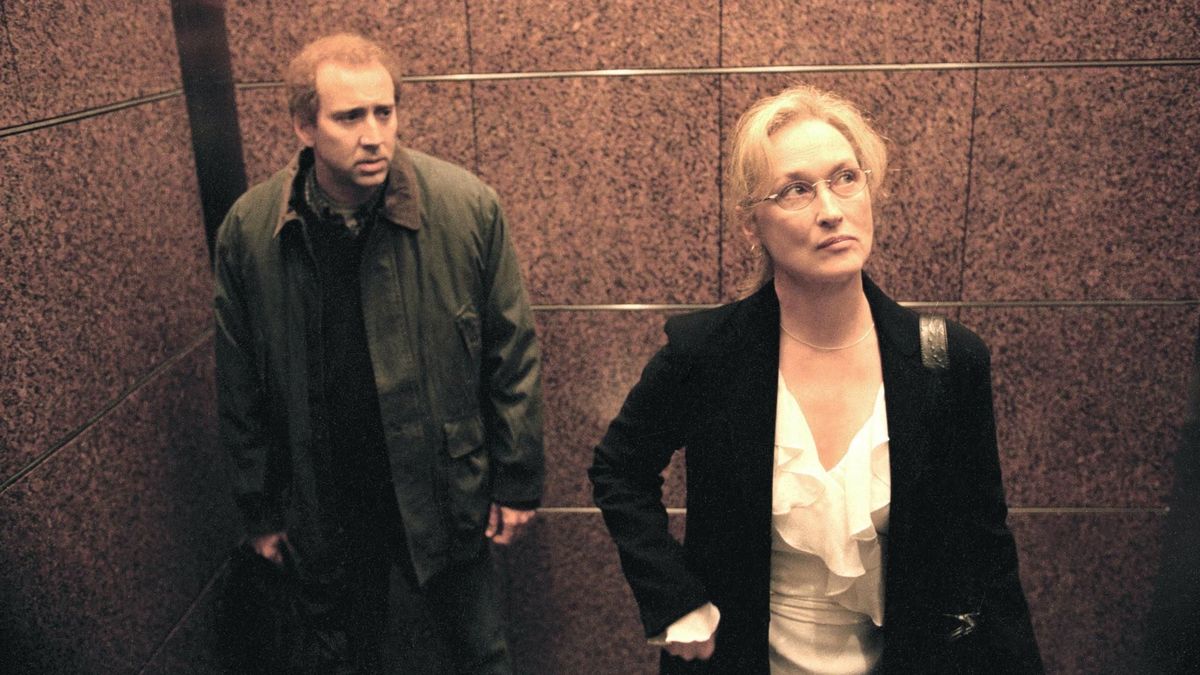
One of the ballsiest book adaptations ever made, Spike Jonze’ Adaptation shouldn’t work on paper – good thing they put it on film instead. It’s the story of Charlie Kaufman (the film’s actual screenwriter) who has been hired to write an adaptation of Susan Orlean’s The Orchid Thief (which the real Kaufman was actually hired to do). Rather than attempt to adapt an unadaptable novel about a flower poacher, Kaufman decided to write a film about his attempt to do so. The result? A metafictional comedy where Nicholas Cage plays a pair of twins, one of whom is battling with writer’s block and gets wrapped up in a murder plot, while the other is along for the ride.
Have a tip we should know? [email protected]