
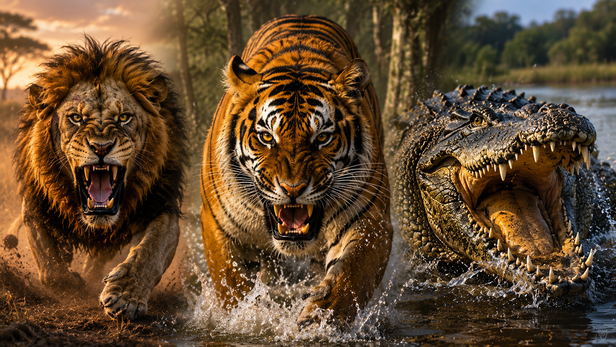
Man-eating animals are not mythical creatures or horror legends. They are real predators whose behavior, under rare but documented conditions, has led to human deaths. Scientists emphasize that these cases are extremely uncommon and usually driven by survival factors such as injury, habitat loss, or prey scarcity. As wildlife researchers often note, “most large carnivores avoid humans, but under specific conditions, they can perceive humans as prey.” What makes these cases so disturbing for scientists is not just the attacks themselves, but the unpredictability behind them. Even well-studied species sometimes behave in ways that challenge established understanding of animal instincts, making human-wildlife conflict one of the most sensitive areas of modern ecology.
1. The “Champawat Tigress” That Defied Early Wildlife Understanding

One of the most infamous man-eating cases in history is the Champawat tigress, responsible for over 400 human deaths in India and Nepal before being stopped. Reports suggest she had damaged teeth, making normal hunting difficult, which likely pushed her toward easier prey. This case became foundational in wildlife studies because it showed how injury and disability can completely alter a predator’s behavior, turning an apex hunter into a human-targeting animal.
2. The “Tsavo Lions” That Stopped a Railway Project
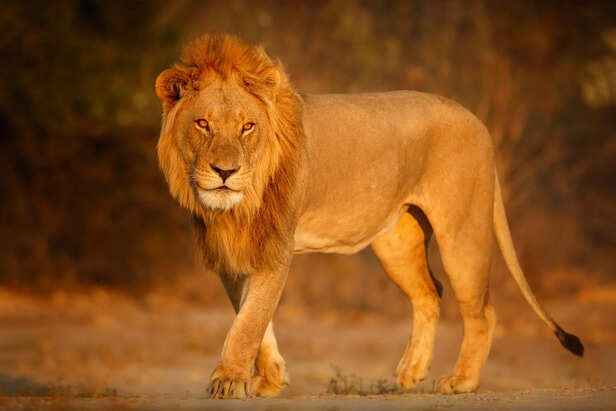
In 1898, two male lions in Kenya killed and consumed railway workers during the construction of the Uganda Railway. Historical records estimate that more than 100 people may have been affected during the attacks. What shocked early researchers was not just the aggression, but the apparent lack of fear toward humans. These lions repeatedly entered camps at night, suggesting a level of behavioral adaptation that scientists still study today.
3. The “Sundarbans Tigers” Living Among Humans
In the Sundarbans mangrove region, tiger attacks have been documented for decades, with hundreds of human fatalities over time in certain periods. Some studies link these incidents to habitat overlap, tidal flooding, and limited prey availability. Scientists remain fascinated because these tigers live in one of the only ecosystems where large carnivores and dense human populations coexist in the same environment.
4. The “Man-Eating Leopards” of India
Leopards have been responsible for hundreds of human deaths in isolated cases, including one documented individual that killed over 200 people. Researchers believe scavenging behavior on human remains and habitat pressure may contribute to this rare shift. Unlike other big cats, leopard attacks sometimes occur even in villages, often at night, making them especially difficult to predict or study in real time.
5. The “Crocodile Predation Cases” Along River Systems
Crocodiles are among the most lethal predators to humans globally, with estimates of up to around 1,000 human deaths annually in certain regions. Scientists highlight their ambush strategy and extreme bite force as key survival adaptations. What makes crocodiles especially concerning is that attacks are often mistaken for natural encounters rather than targeted hunting behavior.
6. The “African Lion Predation Events”
While lions typically avoid humans, documented cases show that some individuals or prides have developed a preference for human prey under certain conditions. One well-known case in Tsavo involved lions that repeatedly attacked workers over several months. Researchers still debate whether these behaviors are driven by illness, injury, or environmental stress, but agree that such cases are rare and context-specific.
7. The “Leopard Break-Ins Into Human Homes”
In some regions of India, leopards have been recorded entering homes or attacking sleeping individuals, particularly in rural-forest boundaries. These incidents are rare but deeply studied because they show unusual boldness compared to typical leopard behavior. Scientists believe habitat fragmentation and reduced prey availability are key drivers, forcing closer contact with human settlements.
8. The “Jaguar Attacks in the Americas”
Jaguar attacks on humans are rare, but documented cases still occur, including fatal encounters in rural South America. These incidents are typically isolated but significant for researchers studying predator-prey boundaries. Because jaguars usually avoid humans, even a single case provides valuable insight into how environmental changes can shift animal behavior.
9. The “Polar Bear Predation Risk in Arctic Regions”
Polar bears are considered one of the few large carnivores that may actively hunt humans when encountered. Scientists classify them as opportunistic predators in extreme conditions where food scarcity exists. Their rarity makes each incident highly significant in ecological studies, especially in regions where melting ice is altering traditional hunting patterns.
10. The “Hyena and Hybrid Scavenger Attacks”
In parts of Africa and Asia, striped and spotted hyenas have occasionally been involved in human attacks, especially in famine or conflict zones. Researchers note that these animals are highly adaptable scavengers, which sometimes brings them into conflict with human settlements. What makes hyenas particularly studied is their intelligence and social structure, which allows complex feeding behavior not fully understood by scientists.
Why Scientists Still Study These Cases Closely
Despite their rarity, man-eating incidents provide critical insights into wildlife behavior, habitat pressure, and ecosystem imbalance. Experts emphasize that these animals are not “natural killers of humans,” but rather species responding to extreme ecological conditions. As one wildlife researcher summary often notes, the goal is not to fear these animals, but to understand the environmental stressors that lead to conflict. Most attacks occur when natural prey declines, habitats overlap, or injured animals struggle to survive.
Final Insight
What makes these cases so powerful is not just the danger, but the reminder that humans and predators share increasingly overlapping spaces. Science continues to study these rare events not to sensationalize them, but to prevent future conflict and preserve both human safety and wildlife ecosystems.
Celebrate the bond with your pets, explore Health & Nutrition, discover Breeds, master Training Tips, Behavior Decoder, and set out on exciting Travel Tails with Times Pets!