

WASHINGTON _ Voters have made it clear for years that they're fed up with Washington's chaos, and nothing better illustrates the capital's disarray than a down-to-the-wire fight over government spending.
That's why this week's votes to keep the federal government running were tough votes, votes that vulnerable congressmen and senators will be explaining for months. A look at 10 of those lawmakers and how their votes could be remembered back home:
SENATE
Votes listed below are on the key vote for or against limiting debate on legislation to keep most of the government funded through Feb. 16. A "yes" vote is considered support for the measure. Not enough senators voted Friday night to end a filibuster.
Dianne Feinstein, D-Calif.
How she voted: No
What she has to gain: After initially saying she would vote for a spending deal to keep the government open, even if it didn't include a fix for beneficiaries of the Deferred Action for Childhood Arrivals, Feinstein voted against the December short-term spending bill. Her vote against the latest stopgap bill reinforces that shift, which should cheer the state's vocal liberal base. They'll be a key factor in her re-election race against state Senate President Kevin de Leon.
What she has to lose: More than 2 million California children are enrolled in the Children's Health Insurance Program, which the short-term spending measure would reauthorize for six more years. The program's funding authorization ended in September, but most states have had enough money to maintain coverage until now. California is one of nearly a dozen states at risk of running out of money for the program next month. Risking a shutdown, moreover, goes against Feinstein's pragmatic nature.
Bill Nelson, D-Fla.
How he voted: No
What he has to gain: Immigration activists will pressure him to vote no without a DACA solution, but Nelson doesn't have to worry about a credible primary challenge from the left and has historically done well with independents and older voters compared to other Democrats in Florida.
What he has to lose: Nelson voted for the short-term spending bill in December and is considered among the more moderate Democrats. He's up for re-election in a state Donald Trump won, and could be challenged by well-funded Republican Gov. Rick Scott. Nelson is hardly in an ideal situation if Senate Democrats are blamed for a shutdown.
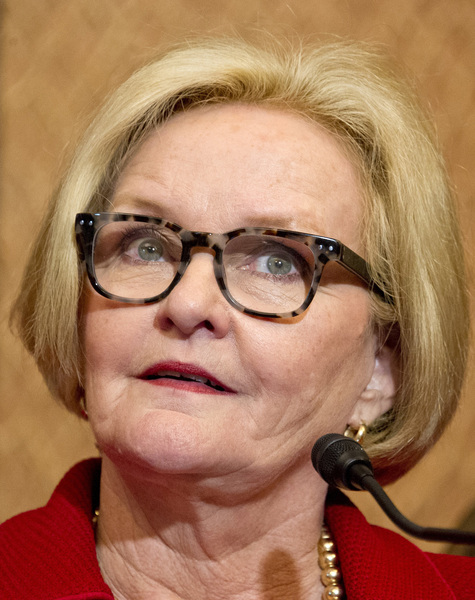
Claire McCaskill, D-Mo.
How she voted: Yes
What she has to gain: McCaskill could shore up her base �� and boost her campaign fundraising �� by voting with other Democrats in the Senate to reject any government funding bill that doesn't include a deal for DACA beneficiaries.
What she has to lose: McCaskill is widely considered the most vulnerable Senate Democrat seeking re-election. No matter how she votes, a government shutdown is bad news for her. It gives Republicans fuel to accuse Democrats of being obstructionist and makes it harder for McCaskill to portray herself as a moderate in a state Trump won by nearly 19 percentage points.
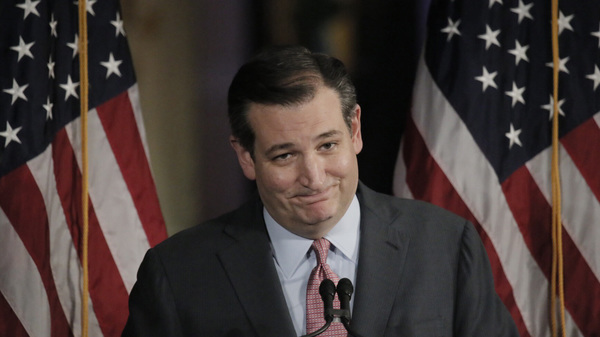
Ted Cruz, R-Texas
How he voted: Yes
What he has to gain: Cruz was at the center of a shutdown in 2013. Five years later, Cruz is quieter. He's up for re-election in 2018, challenged by Democratic Rep. Beto O'Rourke, who is keeping pace with Cruz's fundraising. Since returning from his failed 2016 presidential candidacy, Cruz has spent his time in the Senate demonstrating that he can be a team player in Republican-controlled Washington. By staying out of the fray, he managed to avoid a serious primary threat.
What he has to lose: Hard-line anti-immigration groups backed Cruz in the Republican presidential primaries over Trump. Cruz would like to keep that support if he runs for president again someday. But in steering clear of the DACA debate, he's been absent on issues with big implications for his home state. Texas has the second-highest number of DACA recipients who could face deportation if Congress doesn't approve the program. It also has a huge border with Mexico, where Trump wants to build a wall.
HOUSE
Votes cited were cast Thursday on the House version of the continuing resolution, which would fund most of the government through Feb. 16.
Ami Bera, D-Calif.
How he voted: No.
What he has to gain: Bera voted with his party in the House, where all but a few of Democrats opposed the Republican-backed bill. That will keep him friendly with House Minority Leader Nancy Pelosi, D-Calif., and with energized liberal voters back home. Bera faces a primary challenge from a 30-year-old Bernie Sanders-aligned Democrat, Brad Westmoreland. Many in Bera's diverse district will also welcome a move to force a DACA solution.
What he has to lose: The Sacramento-area Democrat represents one of California's most competitive districts. Democrats have a slight edge in voter registration in the district, so Bera needs to win over plenty of independents and even some Republicans. The Republicans will try to blame Bera, a physician, for shutting down the government and opposing the extension of the popular CHIP program, which provides health care coverage to more than 20,000 people in his district.
Jeff Denham, R-Calif.
How he voted: Yes.
What he has to gain: Given that Republicans control of both chambers of Congress and the White House, a shutdown would fuel perceptions that the party can't govern. Keeping the government funded prevents a bad electoral climate for vulnerable Republicans like Denham from getting even worse. The latest stopgap spending bill also would buy Congress more time to negotiate on DACA, an issue on which Denham has taken a leading role.
What he has to lose: Immigrant advocacy groups consider a vote for a spending bill without a DACA fix akin to political treason. And they're not likely to give Denham much credit for trying to broker a deal if he doesn't use his leverage to force the agreement. Democrats, too, will be eager to blame Denham for not securing a DACA deal and delaying a resolution once again.
Will Hurd, R-Texas
How he voted: Yes
What he has to lose: Hurd's San Antonio seat is always a target for both parties, and DACA and the border security both have huge implications. He represents 820 miles of the Texas-Mexico border, where Trump wants to build a politically unpopular wall. Nearly 70 percent of the electorate in his district is Hispanic. By voting to keep funding the government without a DACA solution, Hurd risks having to explain to voters why Congress hasn't prioritized protecting DACA beneficiaries from deportation.
What he has to gain: Hurd has seized the moment to brandish his bipartisan credentials, rallying colleagues from both parties for a DACA solution he proposed. That plan, while unlikely to go anywhere in the House, allows Hurd to say he did something to stop Washington brinkmanship.
Robert Pittenger, R-N.C.
How he voted: Yes.
What he has to gain: The vote bolsters Pittenger's claim that he's a firm Trump supporter, and Trump said he didn't want a government shutdown. Pittenger faces a potentially tough Republican primary rematch with Charlotte pastor Mark Harris. Pittenger barely defeated Harris in the 2016 Republican primary.
What he has to lose: Very little. Harris and others won't be able to attack Pittenger's conservative credentials if Congress passes a government funding measure with enough votes from conservative lawmakers.
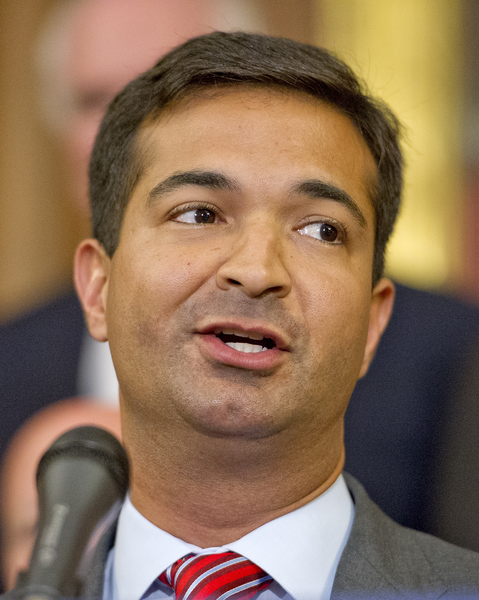
Carlos Curbelo, R-Fla.
How he voted: No.
What he has to gain: Curbelo is running in the most Democratic-leaning district in the country represented by a Republican running for re-election in 2018. He's tried to broker immigration compromises with members of both parties. Curbelo is the only Republican running for re-election who voted against the bill because there was no immigration deal.
What he has to lose: While Curbelo is a well-funded incumbent who has the support of some Democrats in his district, he's also trying to protect himself against a potential Democratic wave this year.
Kevin Yoder, R-Kansas
How he voted: Yes.
What he has to gain: Both political parties will try to blame each other for the government shutdown, but it's incumbents who are likely to get blamed back home, regardless of whether they're Republicans or Democrats. As an incumbent, Yoder would rather keep the government open. He also has little to gain by bucking his party leadership as he heads into a tough re-election year.
What he has to lose: Not much. Yoder is running for re-election this year in a suburban Kansas City district where Democratic presidential candidate Hillary Clinton narrowly defeated Donald Trump in 2016. Democrats have targeted his seat as one they hope to flip. Democrats in his district probably won't be happy with him if there's no deal on DACA. But Yoder is unlikely to head off a Democratic wave by voting to shut down the government.
����
(William Douglas, Brian Murphy, Andrea Drusch, Lindsey Wise, Alex Daugherty and Emily Cadei contributed to this report.)