1/10 - 10 least densely populated countries

While some countries cram millions into bustling urban centers, others spread their populations thinly across vast, often inhospitable landscapes. The following list highlights the 10 least densely populated countries in the world. These nations are shaped by extreme climates, rugged terrains, and unique historical or economic factors that keep their inhabitants sparse. From icy expanses to scorching deserts, here’s a closer look at the places where wide-open spaces still reign supreme.
2/10 - Greenland
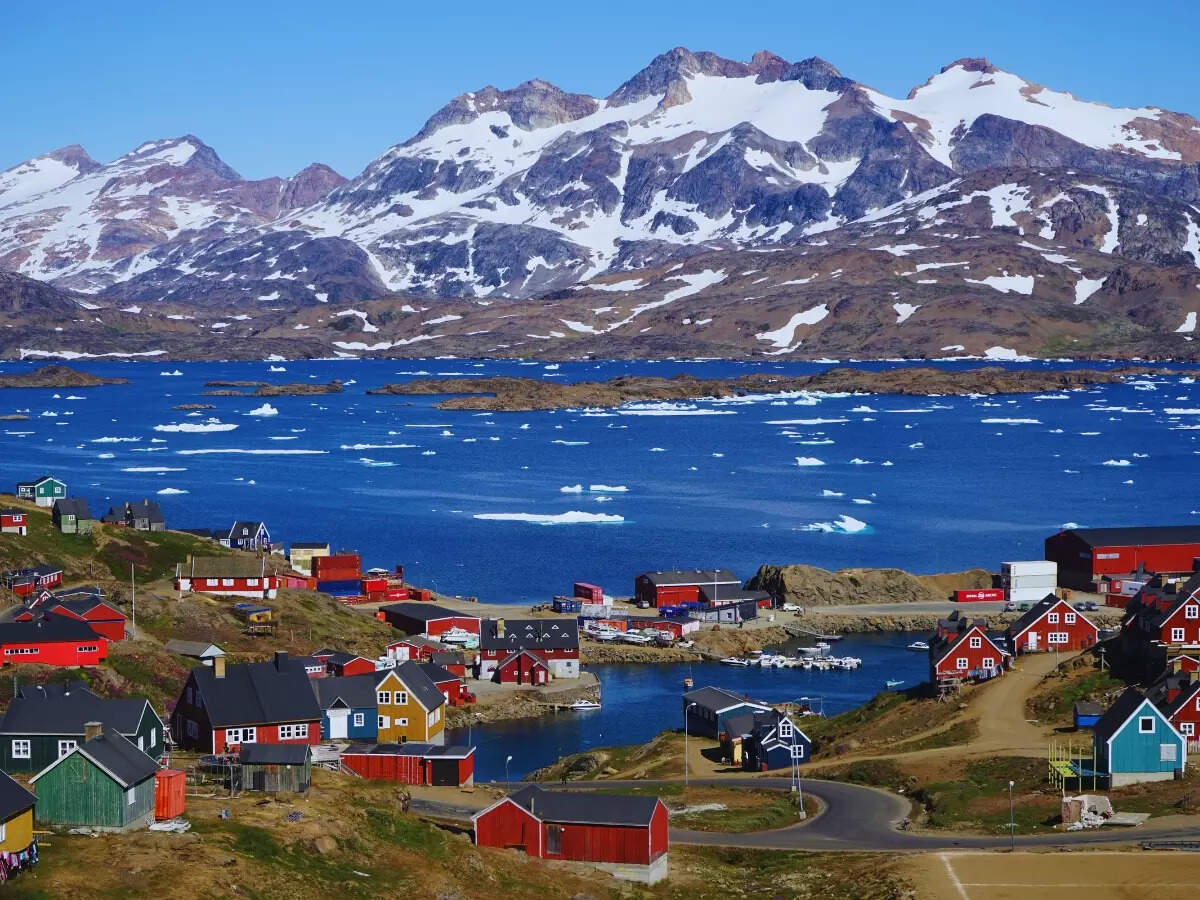
With a population of approximately 57,000, Greenland, an autonomous territory of Denmark, is the world’s largest island but also one of its least habitable. The country’s population density is 0.14 people/sq.km. Over 80% of its land is covered by an ice sheet, leaving only the coastal fringes viable for settlement. Its harsh Arctic climate and isolation limit population growth, with most residents concentrated in small towns like Nuuk.
3/10 - Mongolia
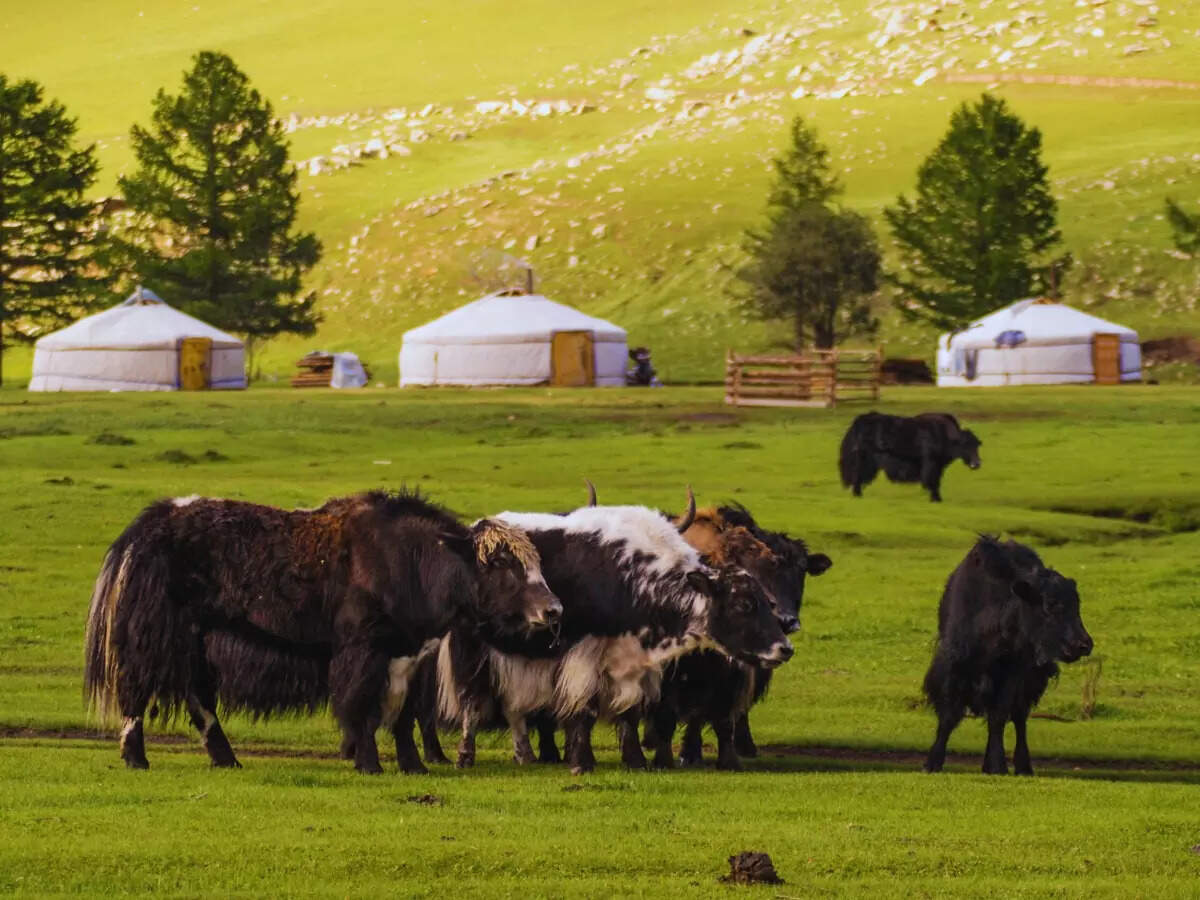
Mongolia’s vast steppes support a population of approximately 3.5 million. Historically a land of nomads, much of its population still lives rurally, with Ulaanbaatar holding about half the country’s people. Harsh winters and limited arable land discourage dense settlement.
4/10 - Namibia
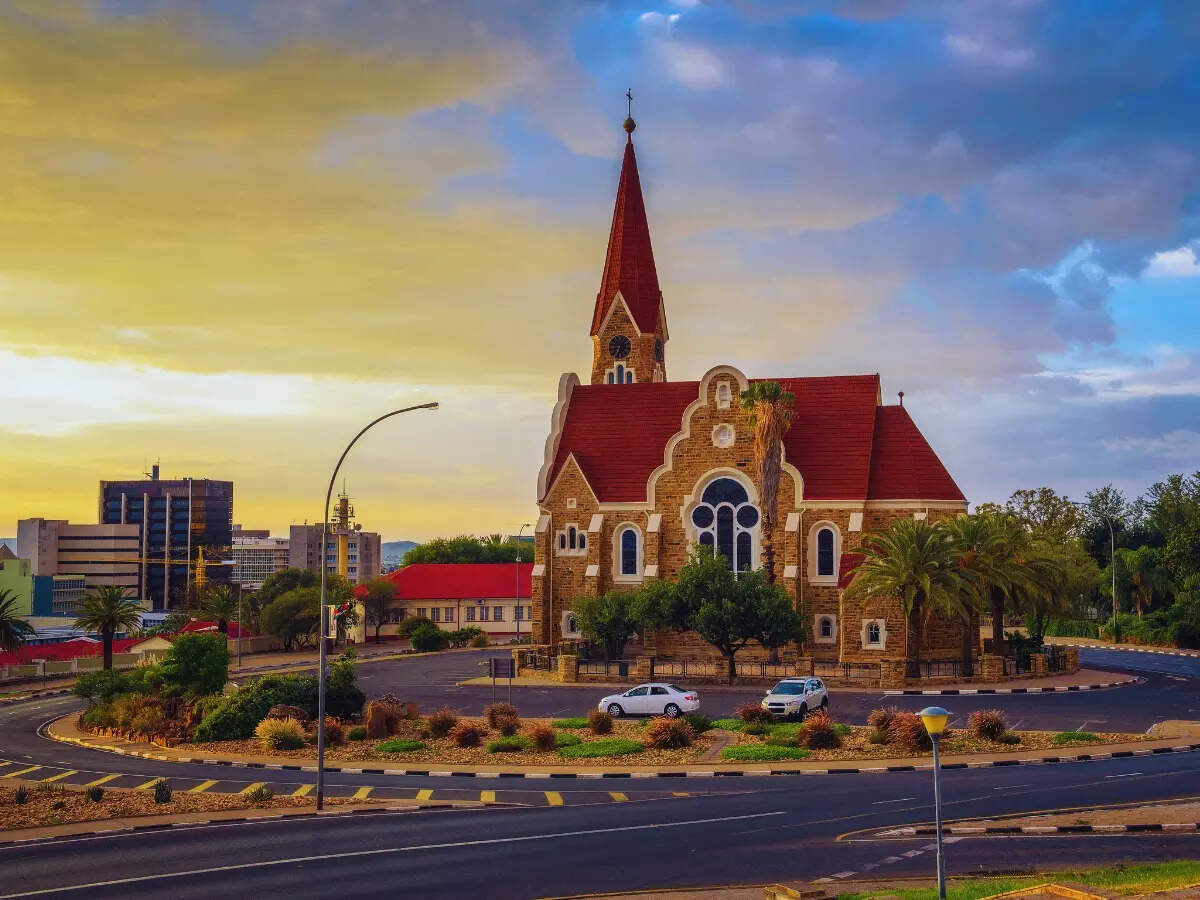
Namibia’s arid terrain, including the Namib Desert and semi-arid plateaus, restricts habitation. The country’s population is approximately 2.6 million, with 3.2 people/sq km, and most of its population lives in the north or along the coast. The interior remains sparsely populated.
5/10 - Australia

Australia’s massive interior, known as the Outback, is largely uninhabitable due to its desert conditions. Over 85% of Australians live within 50 km of the coast, leaving vast swathes of land empty. Its size and challenging environment keep the overall density low despite a sizable population of 26.5 million.
6/10 - Iceland
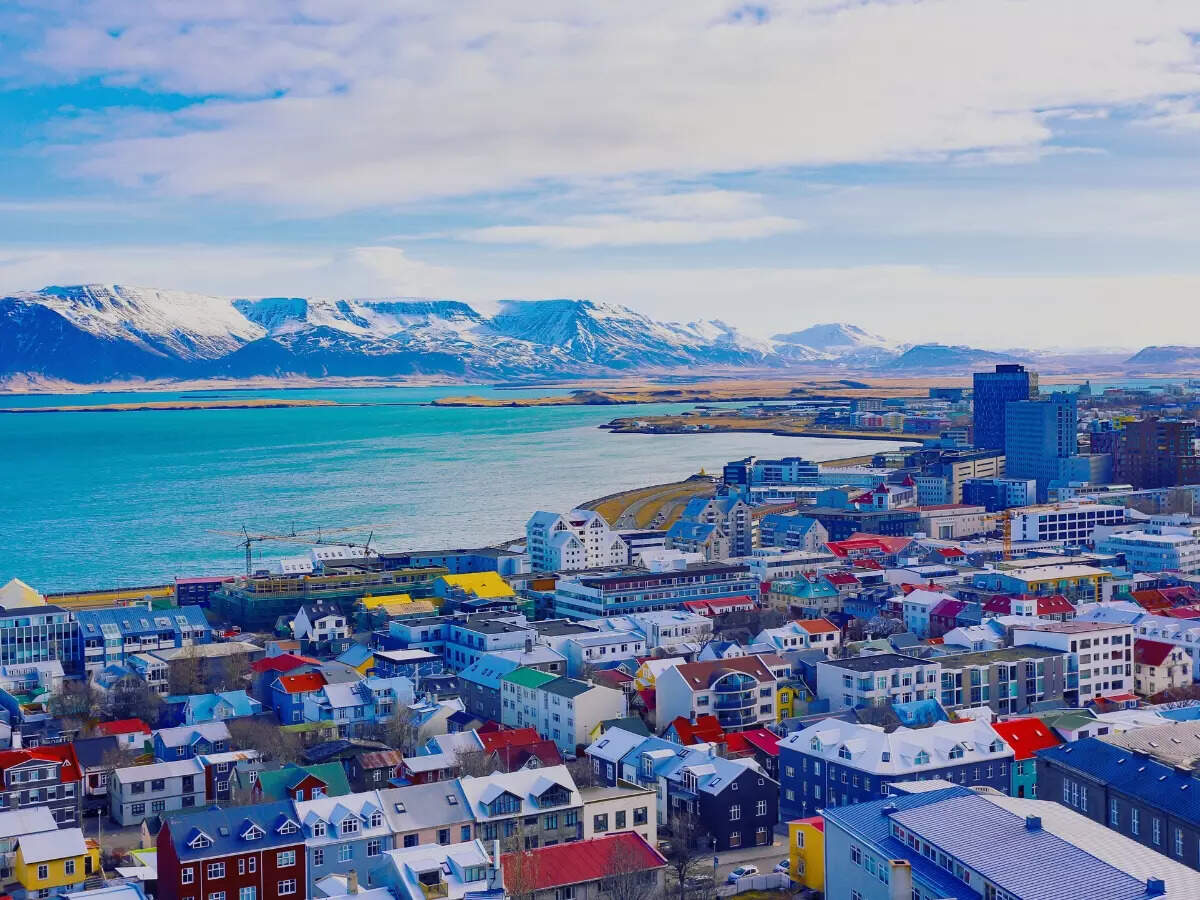
With a population of around 390,000, and the density of 3.5 people/sq km, Iceland is one of the least densely populated countries in the world. Iceland’s volcanic terrain, glaciers, and geothermal activity limit usable land. Most Icelanders live in Reykjavik and nearby areas, while the interior highlands are uninhabited.
7/10 - Suriname
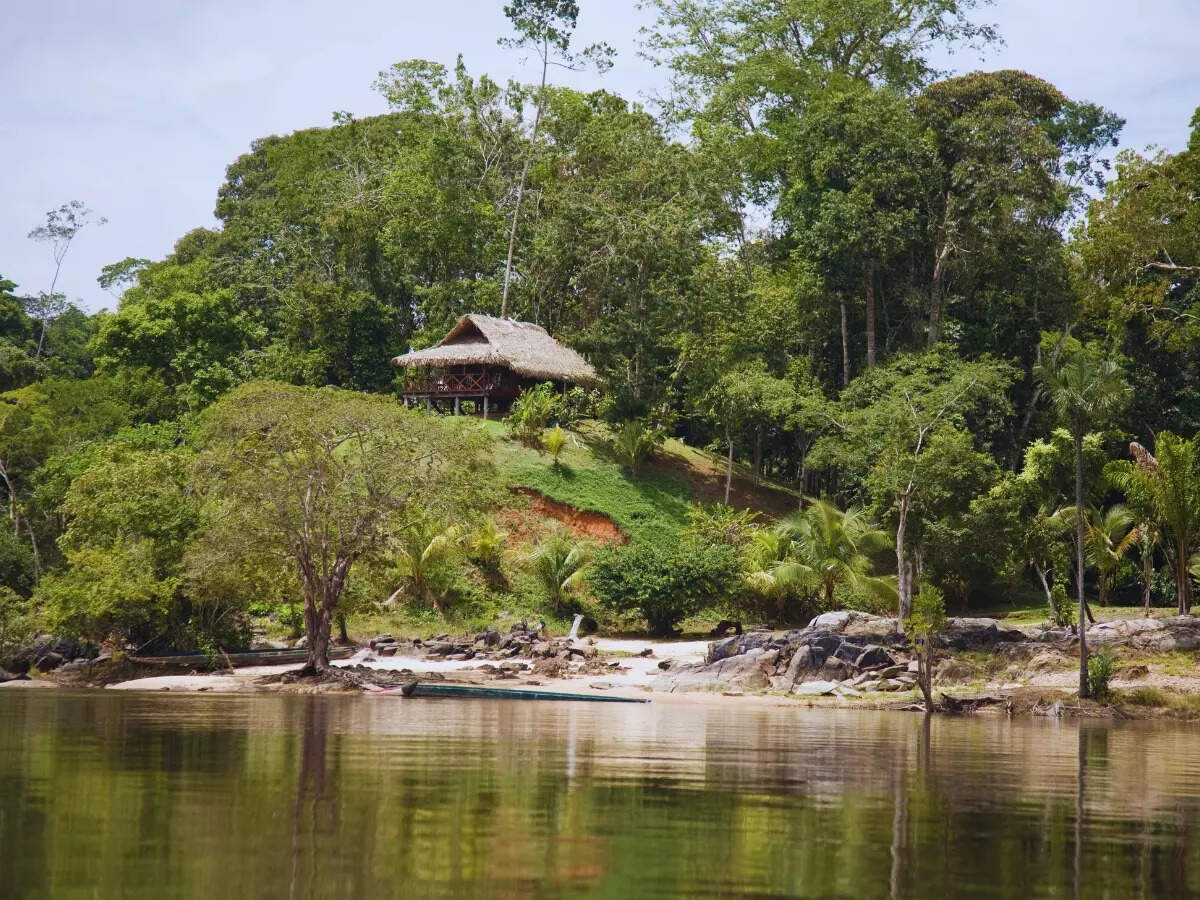
This South American country is covered by dense Amazon rainforest, with over 90% of its land forested. The population clusters along the northern coast, particularly in Paramaribo, while the interior remains home to small Indigenous and Maroon communities. Suriname’s population is approximately 630,000.
8/10 - Libya
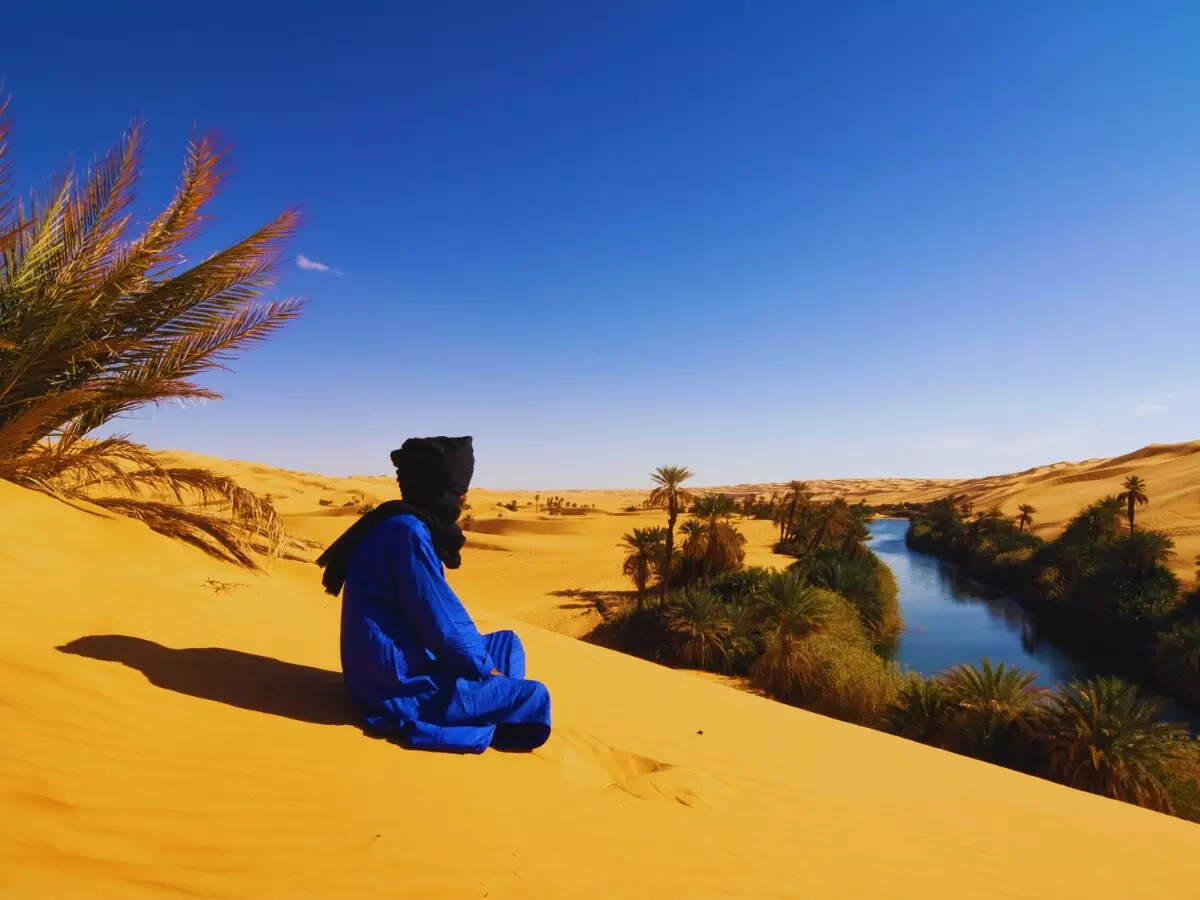
Libya’s population is concentrated along the Mediterranean coast, while the Sahara Desert blankets most of its territory. Water scarcity and political instability have kept rural areas sparsely populated, with oil driving the economy but not settlement. Libya has a population density of 4.0 people/sq km.
9/10 - Botswana
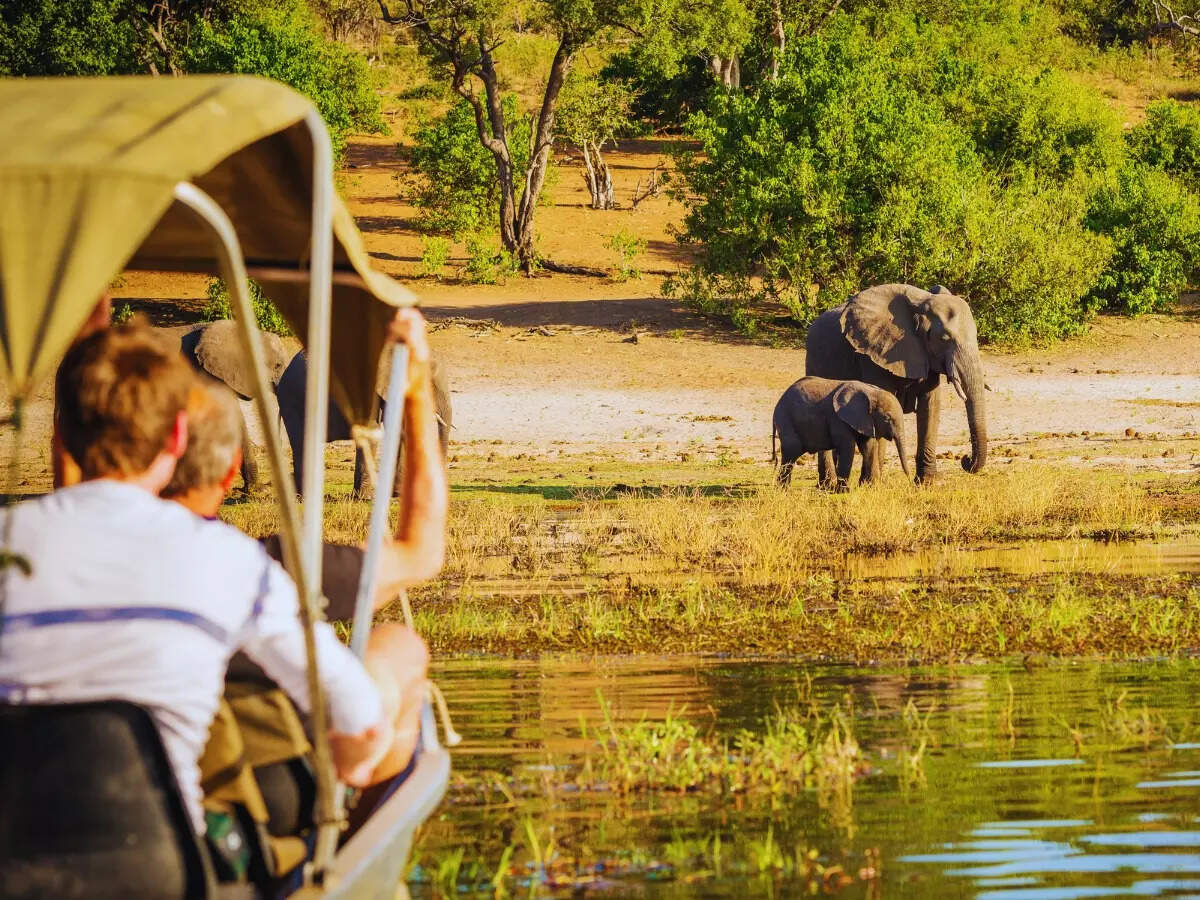
The Kalahari Desert covers much of Botswana (population density of 4.1 people/sq km), limiting agriculture and settlement. The population is centered in urban areas like Gaborone, while rural regions, including wildlife-rich zones like the Okavango Delta, remain thinly populated.
10/10 - Canada
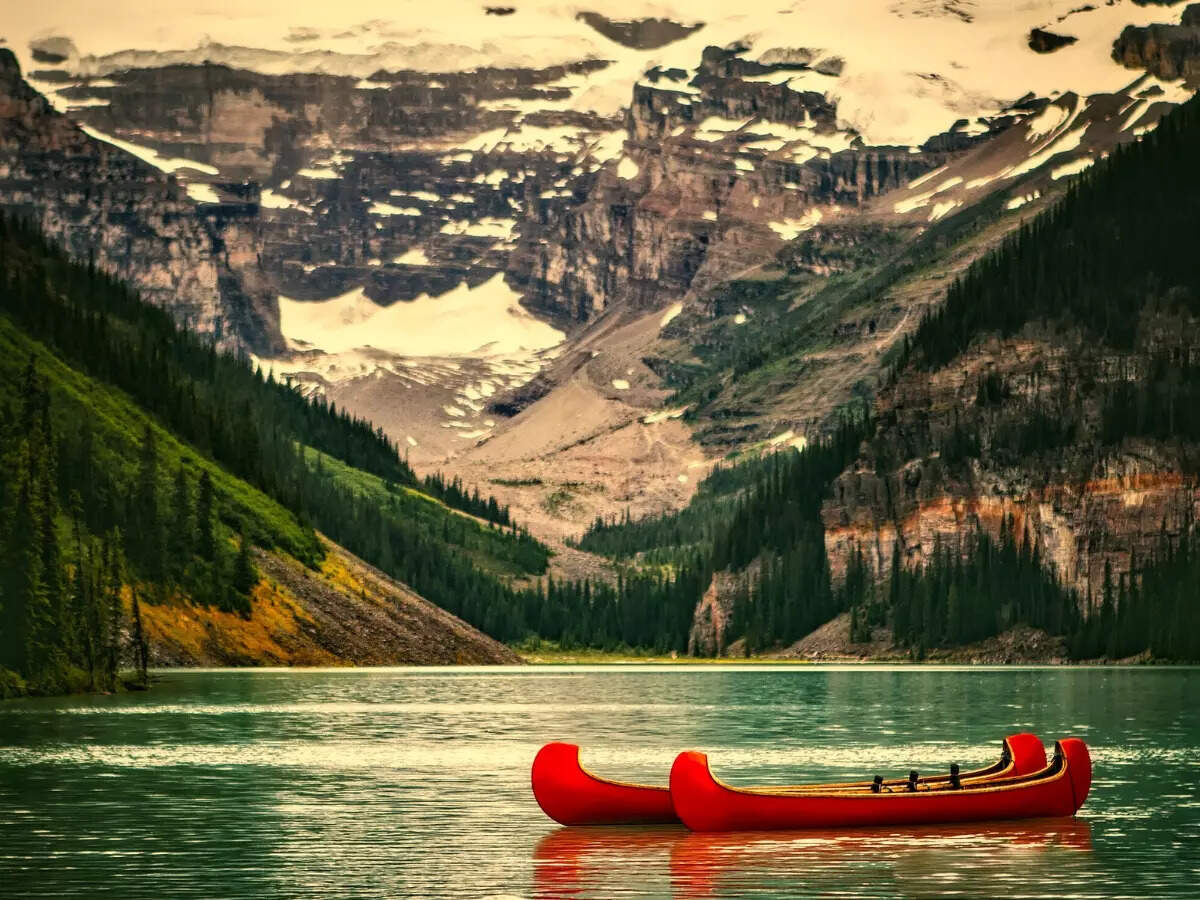
As the second-largest country by land area, Canada’s northern regions are dominated by tundra and forests, with extreme cold making them nearly uninhabitable. Most Canadians live near the U.S. border, leaving the Arctic and subarctic zones empty except for small Indigenous communities.