Image source: shutterstock.com
School rules can feel straightforward until a “normal kid moment” gets interpreted as defiance, disruption, or a safety issue. In 2026, many campuses are balancing stricter safety expectations, social media fallout, and packed classrooms, which can make consequences move fast. That’s how small misunderstandings sometimes snowball into discipline that surprises families. The best protection is knowing which everyday behaviors can be misread and teaching kids simple scripts that keep things calm. Here are ten common, often innocent behaviors that can get your child suspended, plus practical ways to reduce risk.
1. Play-Fighting That Looks Like Real Fighting
Kids often roughhouse without meaning harm, especially at recess. Staff may have to act quickly if other students feel unsafe or if a crowd forms. When adults see swinging arms, they may apply a “hands-on” rule without investigating intent. Teach kids to keep games non-contact at school, even if it’s normal at home. If play-fighting is a habit, it can get your child suspended after one bad angle.
2. Saying “I’m Going to Kill You” as a Joke
Many kids copy phrases from games, memes, or siblings without thinking. Schools increasingly treat violent language as a safety concern, even when it’s clearly sarcastic. A single overheard comment can trigger a report, an interview, and a mandatory response. Coach kids to replace it with something harmless like, “You’re driving me nuts.” This one phrase alone can get your child removed from class while the school investigates.
3. Bringing “Toy” Items That Resemble Weapons
A plastic keychain, a foam dart gun, or a realistic prop can set off alarms. Some schools apply strict look-alike rules because they can’t risk guessing wrong. Even if a child never points it at anyone, possession can be enough for discipline. Keep backpacks clear of novelty items and double-check pockets after weekends. When a toy looks realistic, it can get your child suspended quickly.
4. Recording Class or Hallway Moments Without Permission
Kids film everything, but schools often have policies against recording staff or students. A short clip meant to be funny can become a privacy issue or a bullying claim. Even “I was just documenting” can fall flat if someone feels targeted. Teach kids to ask first and to keep phones away during transitions. Unauthorized recording can get your child disciplined, even if the video never gets posted.
5. Refusing to Hand Over a Phone Immediately
A child may hesitate because the phone is expensive or because they feel embarrassed. Some staff interpret hesitation as defiance, especially during a tense moment. If a policy requires compliance, the refusal can escalate the consequence. Give kids a simple script: “Okay, I’ll hand it over, and my parent will follow up.” A power struggle over a device can get your child suspended when it turns into “noncompliance.”
6. Talking Back When a Child Feels Misunderstood
Kids often correct adults when they feel wrongly accused. The tone can come off sharp, even if the words are reasonable. In a crowded classroom, teachers may prioritize order over nuance. Help kids practice respectful phrases like, “I hear you, can I explain?” and “Can we talk after class?” A defensive response can get your child labeled as disruptive, even when they’re trying to clarify.
7. Wearing Clothing With “Inappropriate” Graphics or Messages
A shirt that seems silly at home can violate a dress code at school. Messages that mention alcohol, violence, or adult humor can trigger an immediate change request or a send-home. Some schools also restrict symbols that staff believe could cause conflict. Keep a backup hoodie in the backpack for surprise issues. Dress code violations can get your child pulled from class and, in repeated cases, disciplined.
8. Jokes About Self-Harm or “Not Wanting to Be Here”
Kids sometimes use dramatic language when they’re frustrated. Schools often must treat self-harm comments as urgent, even if the child insists it was a joke. That can involve counselors, documentation, and sometimes a requirement to go home. The intention may be innocent, but the process is serious. Teach kids to say, “I’m overwhelmed,” instead of using extreme phrases that can get your child flagged.
9. Throwing Food, Paper, or Small Objects “Just for Fun”
Tossing a grape, flicking an eraser, or launching a paper airplane can look harmless. In a strict environment, it can be treated as disruption or even aggression if it hits someone. The consequence often depends on whether the classroom is already tense that day. Encourage kids to keep hands calm during instruction and save play for approved times. A small toss can get your child removed if it triggers a chain reaction.
10. Leaving Class Without Permission During a Big Emotion
A child may step out to cool off, especially if they feel overloaded. Some schools treat leaving as a safety concern because they must account for every student. If staff can’t locate the student immediately, it escalates fast. Teach kids to ask, “Can I take a break?” or “Can I go to the counselor?” Walking out can get your child suspended, even when they’re trying to self-regulate.
Keep Discipline From Turning Into a Crisis at Home
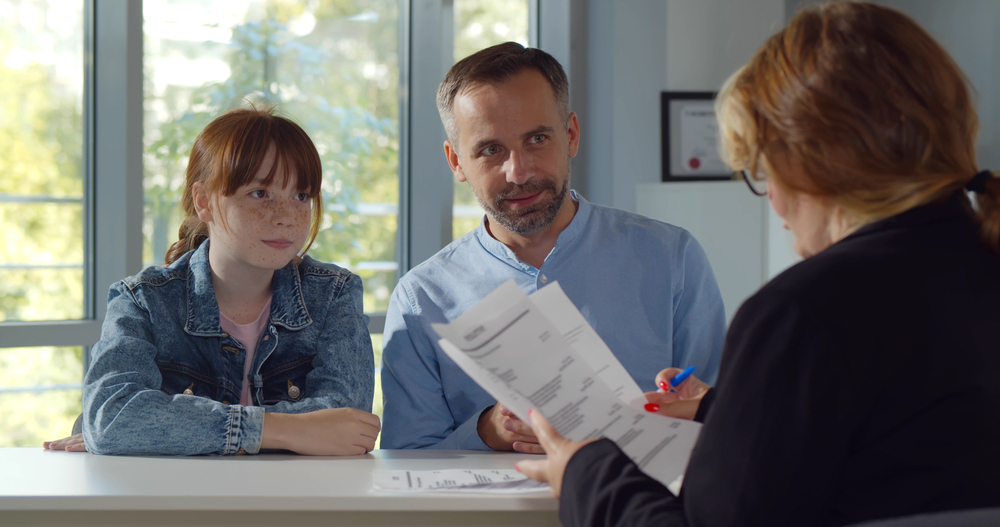
Most families don’t need harsher parenting, they need clearer school navigation. When you hear about an incident, stay calm and ask for the exact policy and the exact behavior observed. Make a plan with your child that focuses on replacement behaviors, not shame. Document patterns, especially if your child has a disability or anxiety triggers that affect behavior. With the right scripts and support, you can protect your child’s record without turning school into a daily battle.
Which “innocent” school behavior surprised parents the most, and what rule do they wish schools explained better upfront?
What to Read Next…
8 School Rules That Should’ve Changed Decades Ago
11 School Practices That Punish Neurodivergent Children
5 Ways Bullying Apps Are Operating Without School Oversight
10 Clothing Choices That May Trigger Unfair School Discipline
7 School Policies That Secretly Undermine Parental Authority
The post 10 Innocent Behaviors That Could Get Your Child Suspended in 2026 appeared first on Kids Ain't Cheap.