The highest mountains on Earth are often spoken about as measurements first. Heights, rankings, expedition records. Yet the mountains themselves exist in conditions that resist neat comparison. The weather changes by the hour. Borders cut across ridgelines. Entire climbing seasons disappear under snowstorms or political restrictions. Even the measurements have shifted over time as surveying methods improved and satellite technology replaced older calculations.
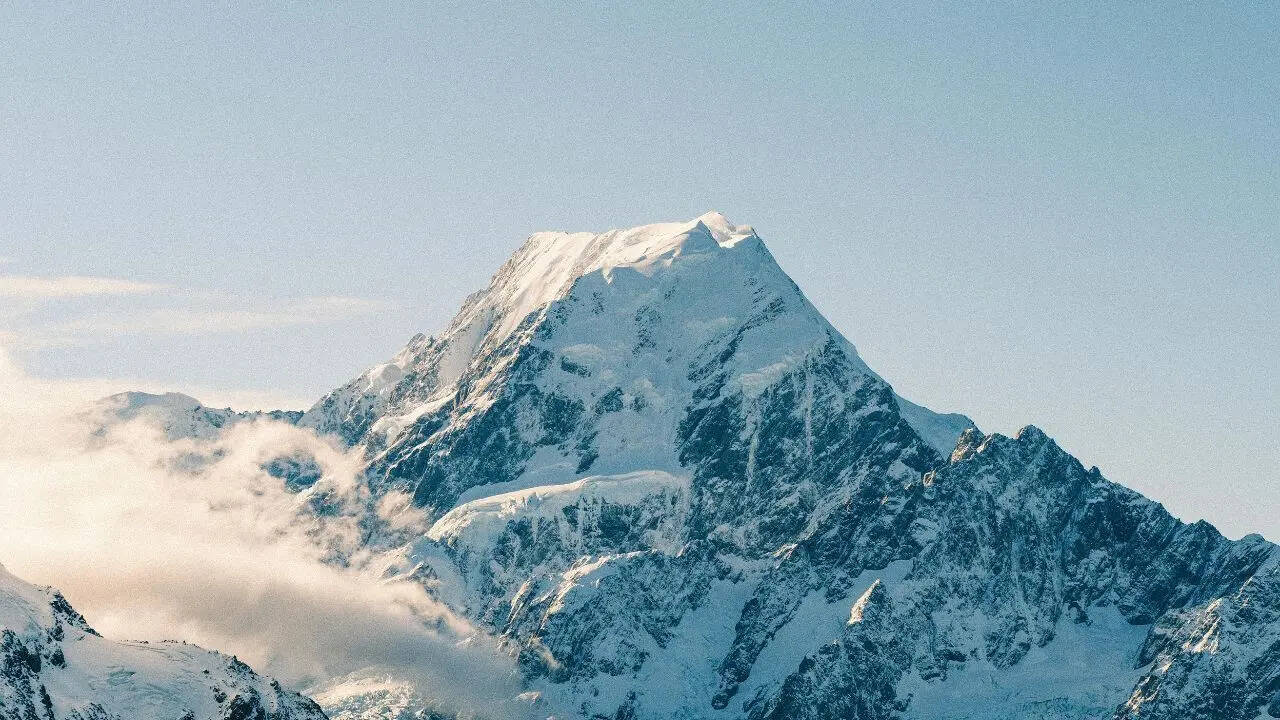
Most of the world’s highest peaks stand within the Himalayas and the neighbouring Karakoram range, shaped over millions of years by the collision between the Indian and Eurasian tectonic plates. The terrain remains unstable in places. Avalanches alter routes. Glaciers move slowly beneath camps that climbers return to year after year. Some mountains have become globally recognisable names, while others remain known mostly within mountaineering circles despite reaching similar altitudes.
As reported by WorldAtlas, check the list below of the 10 highest mountains in the world.
List of the 10 highest mountains in the world
|
Rank |
Mountain Peak |
Height (Above Sea Level) |
| 1 | Mount Everest | 8,849 metres |
| 2 | K2 | 8,611 metres |
| 3 | Kangchenjunga | 8,586 metres |
| 4 | Lhotse | 8,516 metres |
| 5 | Makalu | 8,485 metres |
| 6 | Cho Oyu | 8,188 metres |
| 7 | Dhaulagiri I | 8,167 metres |
| 8 | Manaslu | 8,163 metres |
| 9 | Nanga Parbat | 8,126 metres |
| 10 | Annapurna I | 8,091 metres |
World’s highest mountains ranked
1. Mount Everest
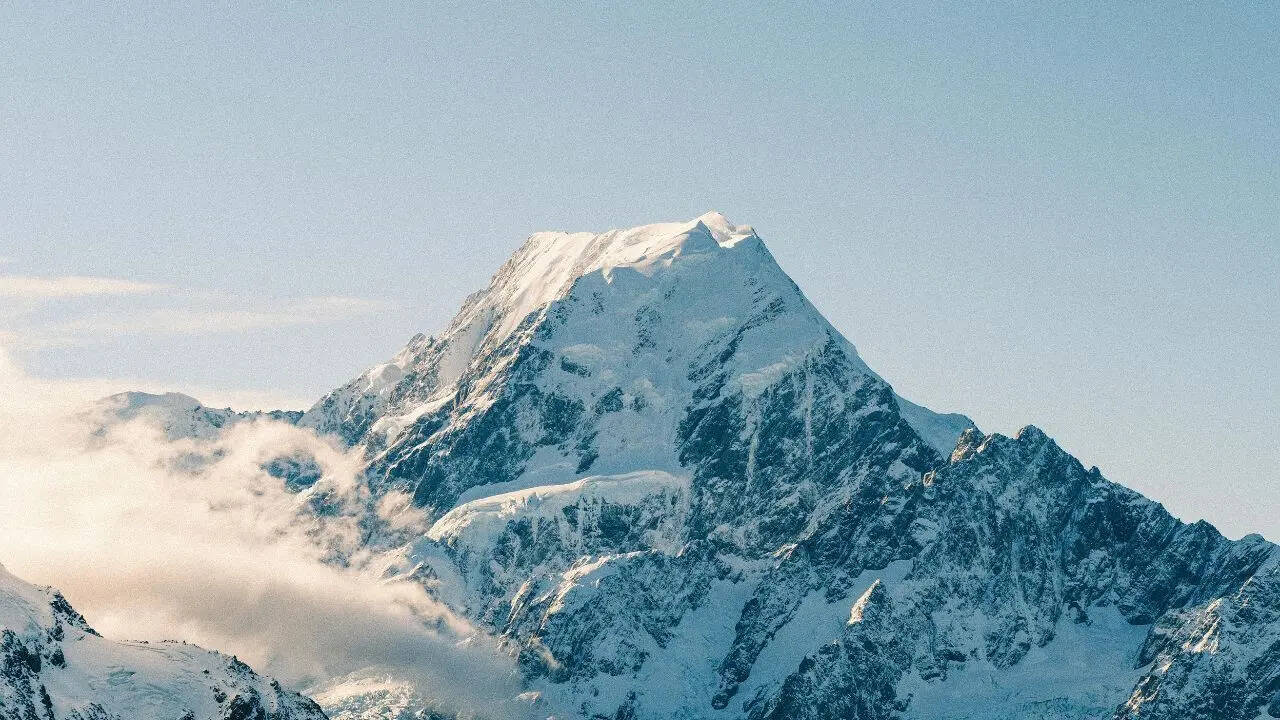
Mount Everest rises to 8,848.86 metres above sea level and remains the highest mountain measured on Earth. The summit sits along the border between Nepal and Tibet, with climbing routes approaching from both sides. For decades, the mountain’s exact height was debated between different surveys until Nepal and China jointly confirmed the current figure in 2020 after a new geodetic assessment. The upper slopes contain very little exposed rock during the climbing season. Snow and compressed ice cover much of the summit ridge, while the surrounding atmosphere carries only a fraction of the oxygen available at sea level. Long queues of climbers now appear during narrow weather windows in May, a sharp contrast to earlier decades when expeditions were rare and often isolated for weeks. Despite the commercialisation around Everest, fatal accidents continue almost every season, often linked to sudden weather changes or altitude-related illness rather than technical climbing difficulty alone.
2. K2
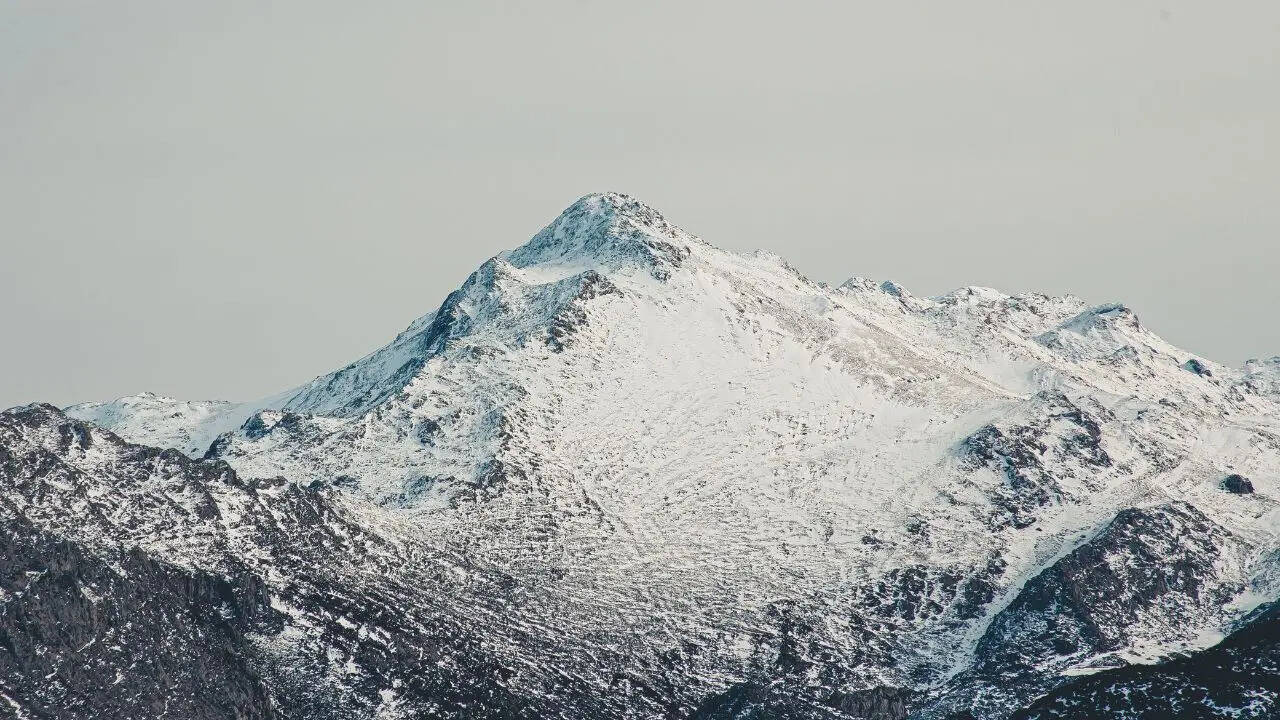
K2 stands slightly lower than Everest at 8,611 metres, though many climbers consider it the more dangerous mountain. Located in the Karakoram range, K2 rises with a steeper and more abrupt profile than most Himalayan peaks. The mountain has fewer commercial expeditions and far less infrastructure surrounding it. Its weather patterns are harsher and less predictable. Strong winds moving through the Karakoram can close summit attempts for days without warning. Sections such as the Bottleneck, a narrow traverse beneath unstable ice seracs, have contributed to multiple fatal accidents over the years. Winter ascents were considered nearly impossible for decades until a Nepali team finally reached the summit during the winter season in 2021. Unlike Everest, K2 rarely attracts casual climbers. Even experienced mountaineers often spend years preparing specifically for the conditions found there.
3. Kangchenjunga
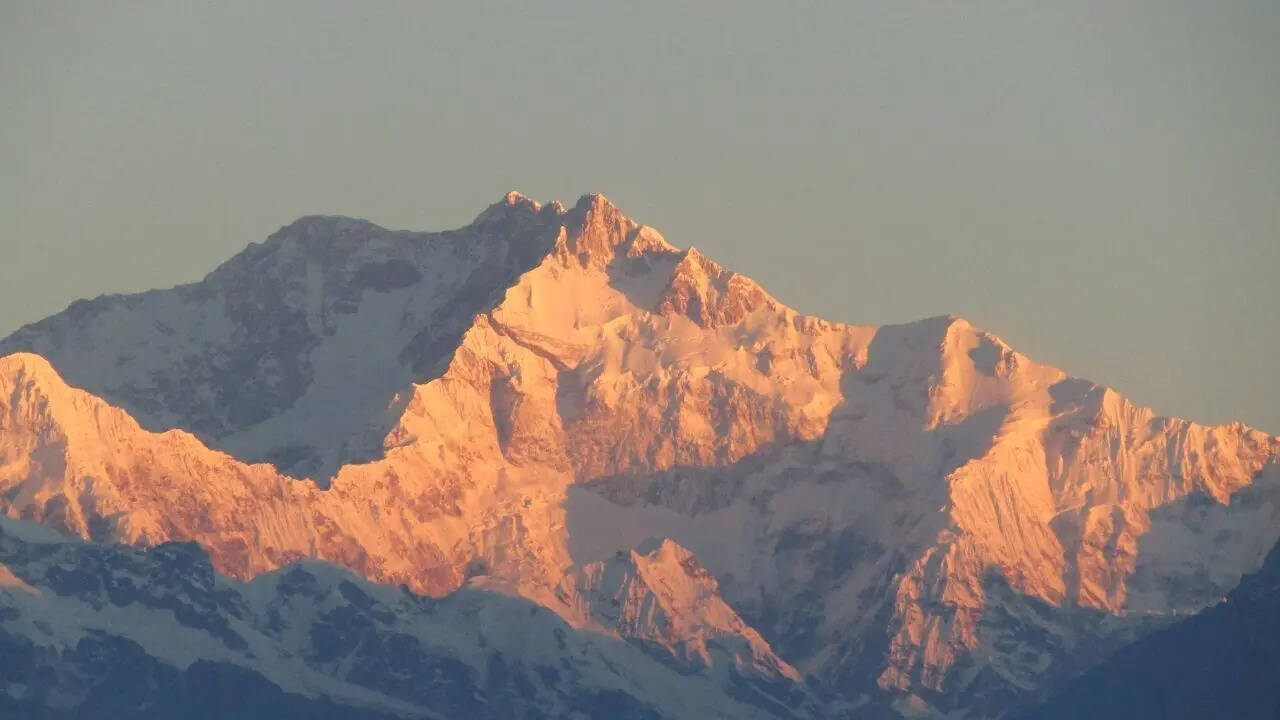
At 8,586 metres, Kangchenjunga is the third-highest mountain in the world. The peak lies partly within eastern Nepal and partly within the Indian state of Sikkim. Dense forests and isolated valleys surround the lower slopes, which feel different from the more exposed terrain near Everest.
Kangchenjunga carries religious importance within local communities, and many climbers have traditionally stopped a short distance below the absolute summit out of respect for those beliefs. The mountain remained officially unclimbed until 1955, partly because of difficult weather conditions and the complexity of the routes leading towards the upper ridges. Avalanches remain a persistent danger there. Heavy snowfall can build rapidly across the mountain during short periods of unstable weather, sometimes forcing expeditions to abandon climbs after weeks of preparation.
4. Lhotse
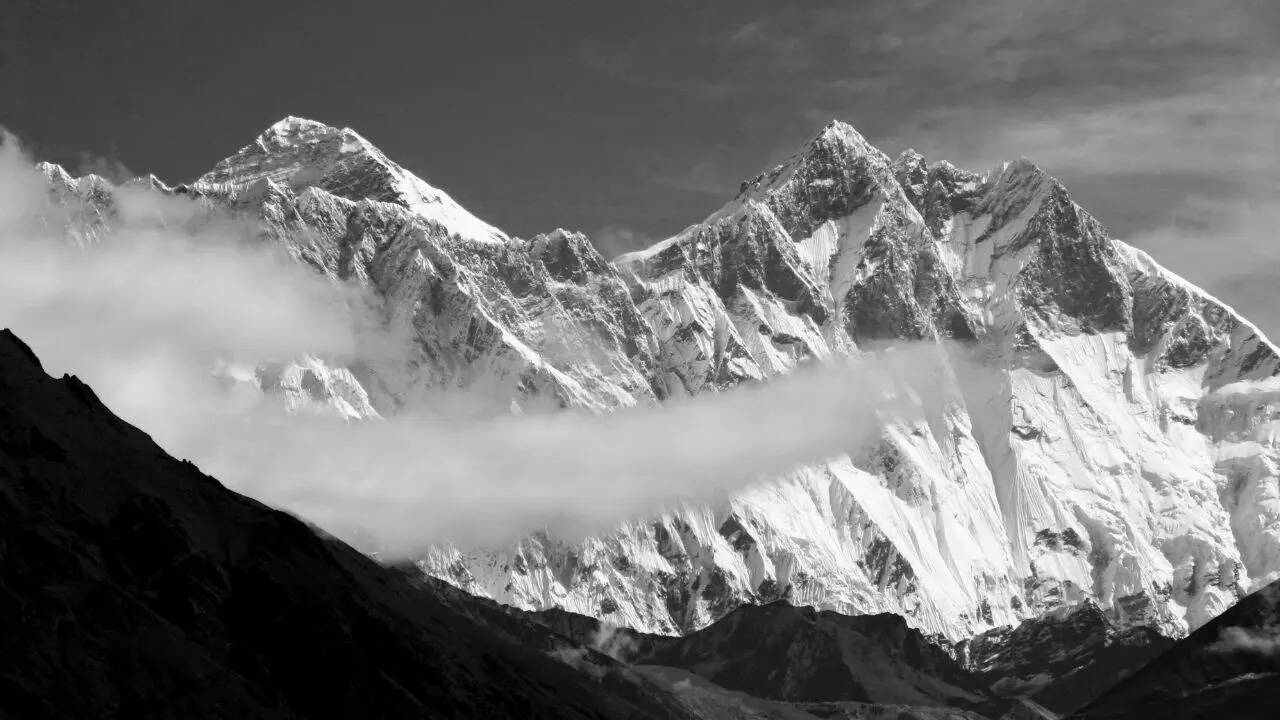
Lhotse reaches 8,516 metres and shares part of its route with Everest during the early stages of ascent. Climbers heading towards both summits pass through the Khumbu Icefall before separating near the South Col. Although Lhotse is physically connected to Everest, the mountain develops its own character higher up. The summit face contains steep couloirs and exposed sections that become increasingly unstable under changing snow conditions. For many years, Lhotse was overshadowed by Everest because of its proximity, despite being one of the highest and most technically demanding peaks in the region. The mountain’s south face became especially well known among climbers because of its scale. It rises more than 3,000 metres in places and was regarded for decades as one of the major unsolved climbing challenges in the Himalayas.
5. Makalu
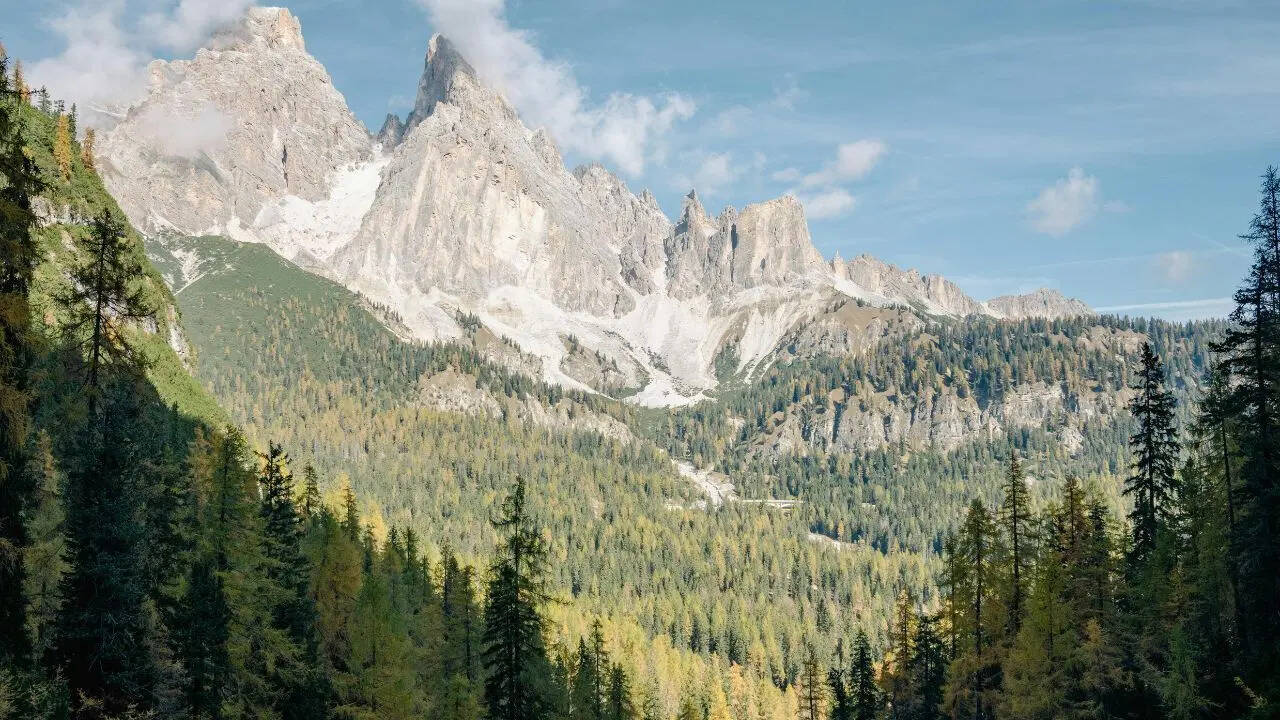
The shape of Makalu is unusually sharp even from a distance. At 8,485 metres, it forms a near-perfect pyramid of dark rock and ice east of Everest. The mountain sits within a remote section of the Himalayas where access remains relatively limited compared with more commercial climbing regions.
Makalu has a reputation for difficult summit conditions. Strong winds often sweep across the upper ridges, while the final approach involves steep climbing at extreme altitude. Climbers frequently describe the mountain as physically exhausting because the ascent offers few easy sections where the body can recover. Cloud cover builds quickly around Makalu during the pre-monsoon season. Entire camps can disappear beneath snow within hours, leaving expeditions waiting for weather breaks that sometimes never arrive.
6. Cho Oyu
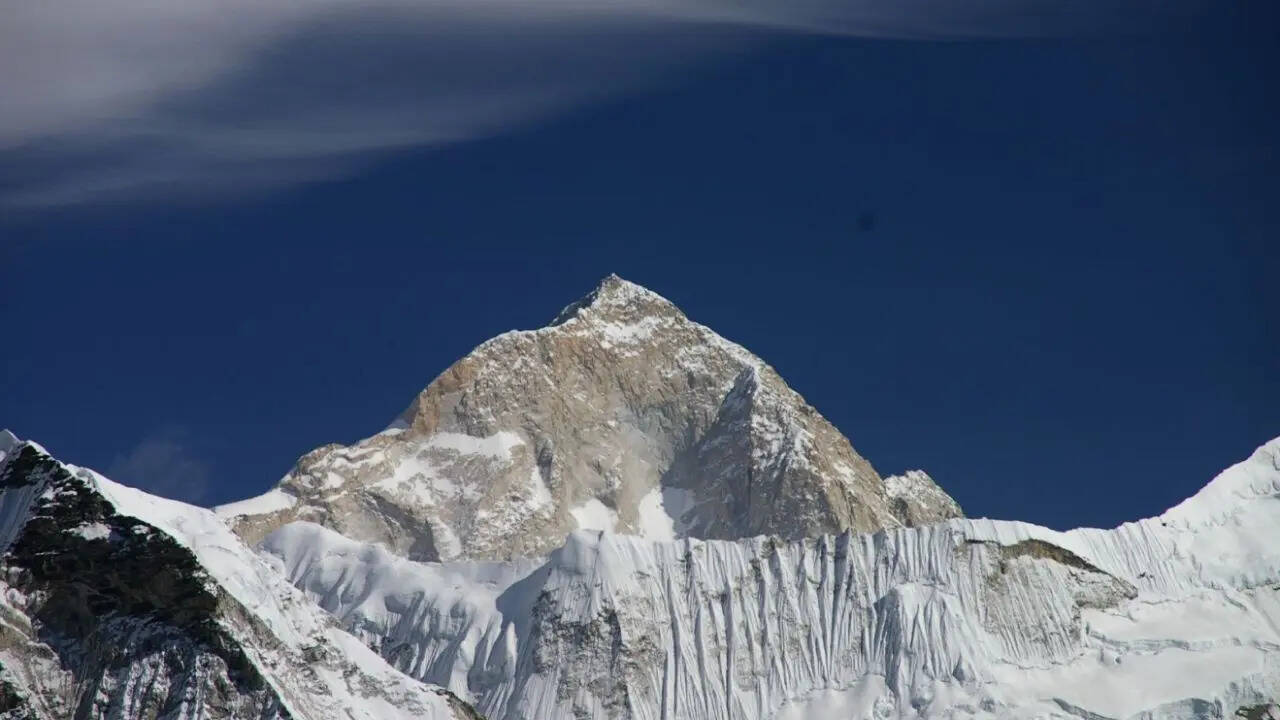
At 8,188 metres, Cho Oyu is the sixth-highest mountain in the world and is generally regarded as one of the more accessible eight-thousanders. The mountain stands west of Everest near an old trading route between Tibet and Nepal. That reputation can be misleading. Altitude alone creates serious risks above 8,000 metres regardless of technical difficulty. Climbers still face crevasses, storms and severe oxygen deprivation near the summit plateau. Yet Cho Oyu’s comparatively broad slopes and less exposed terrain have made it a common choice for mountaineers attempting their first ascent above the eight-thousand-metre threshold. Traffic on the mountain has increased steadily over the past two decades, particularly from commercial expedition groups. Even so, the environment remains severe and isolated once climbers move beyond the lower camps. Helicopter rescues are limited at those elevations, leaving many expeditions dependent on their own teams during emergencies.
7. Dhaulagiri I
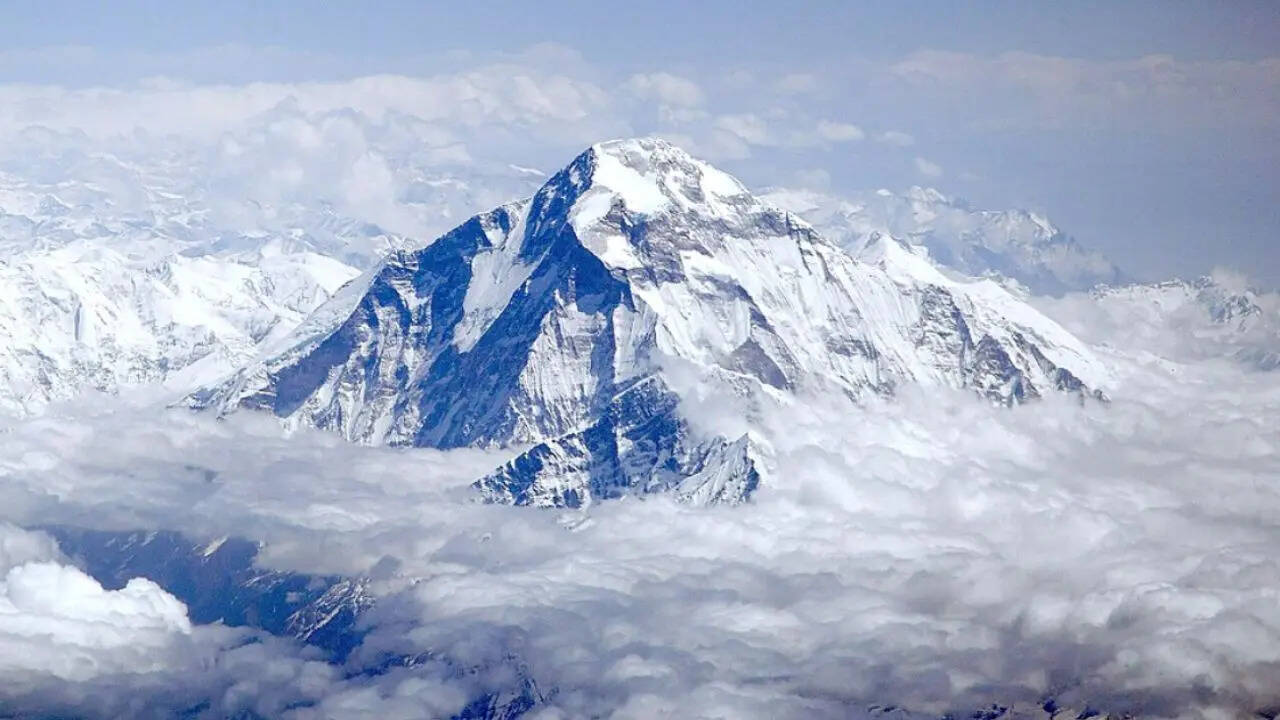
Rising to 8,167 metres, Dhaulagiri I is the seventh-highest mountain in the world and one of Nepal’s most dramatic peaks. Its name comes from the Sanskrit words meaning “white mountain”, a fitting description for its snow-covered slopes and icy ridges. Located west of the Annapurna range, Dhaulagiri is known for its steep faces and unpredictable weather conditions, which make climbing especially difficult.
8. Manaslu
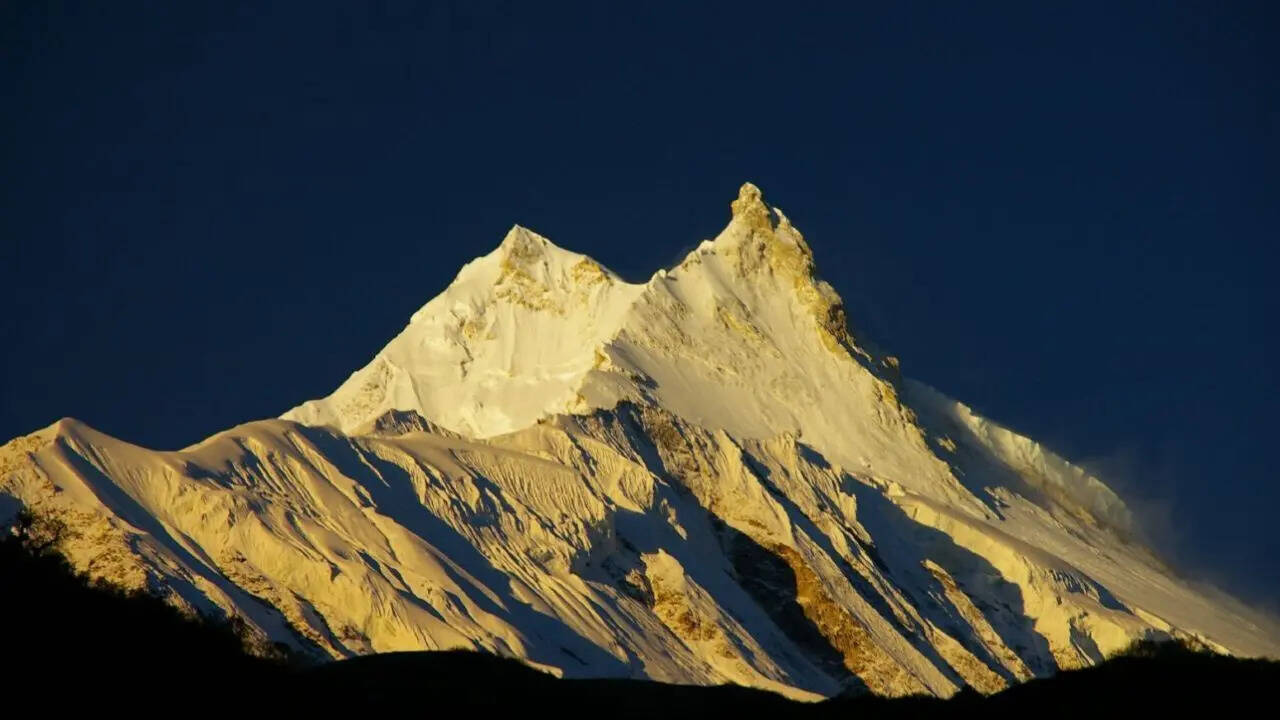
Manaslu stands at 8,163 metres and is often referred to as the “mountain of the spirit”. Situated in the Nepalese Himalayas, it attracts climbers looking for an alternative to Everest while still offering a demanding expedition. The mountain is surrounded by remote valleys, traditional villages and striking glaciers, making the region popular with trekkers as well as mountaineers. The climbing season usually peaks during spring and autumn, when weather conditions are relatively more stable. Despite being considered less crowded than Everest, Manaslu remains technically challenging, with avalanches, shifting ice and sudden storms contuining to pose serious risks for expeditions.
9. Nanga Parbat
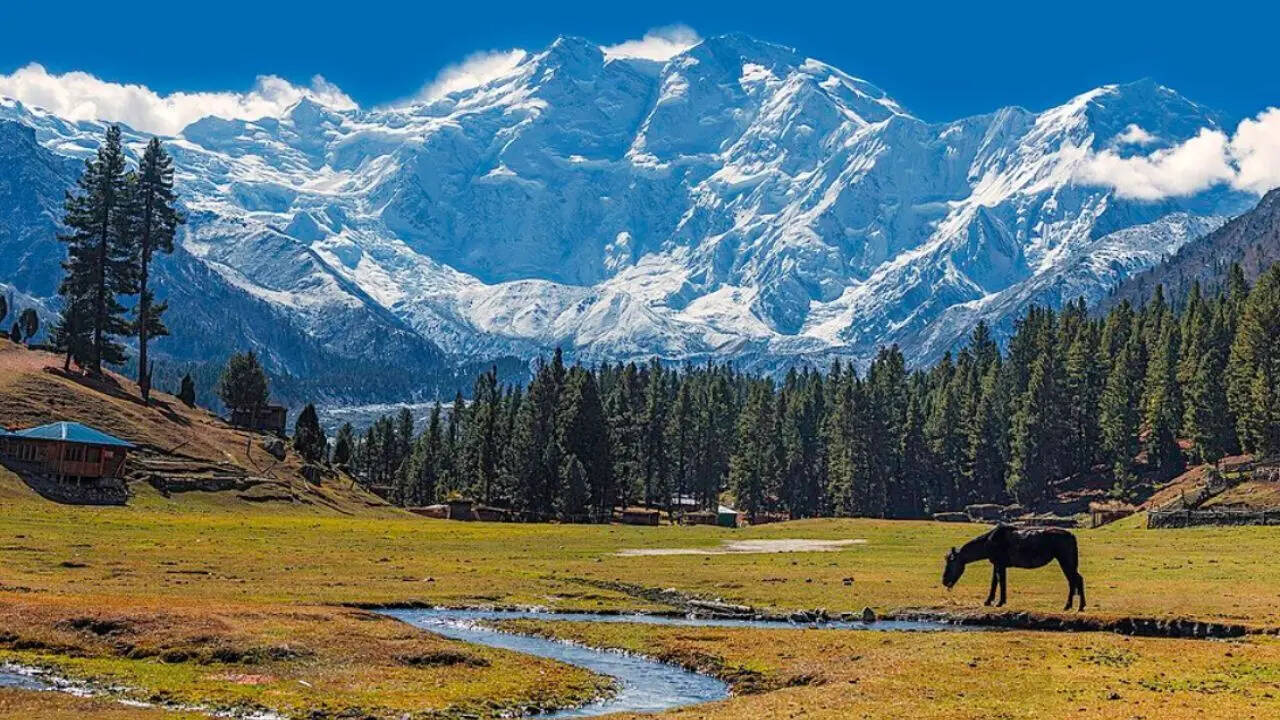
Known as the “killer mountain”, Nanga Parbat reaches 8,126 metres and is located in the western Himalayas of Pakistan. The peak earned its fearsome nickname because of the high number of climbing deaths recorded during early expeditions. Its enormous south face, called the Rupal Face, is considered one of the tallest mountain faces in the world and remains a major challenge for experienced climbers.
10. Annapurna I
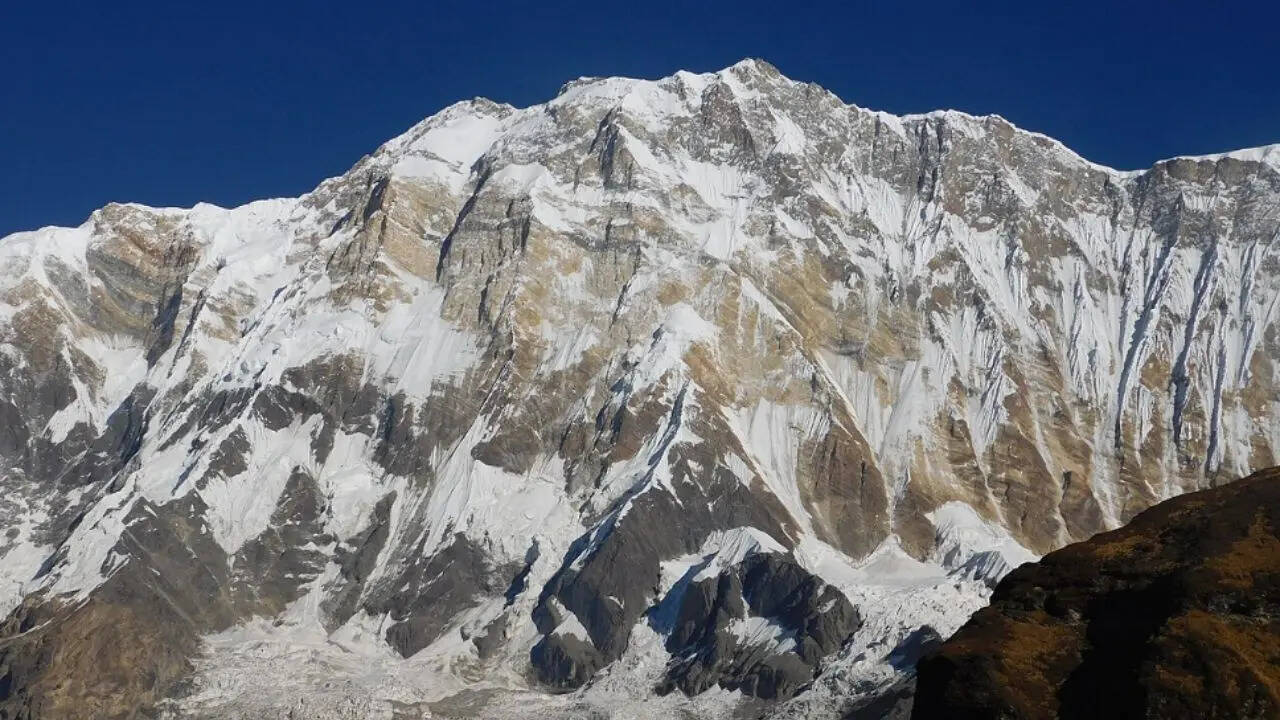
At 8,091 metres, Annapurna I is the tenth-highest mountain on Earth and one of the most dangerous eight-thousanders to climb. Found in north-central Nepal, the mountain is part of the Annapurna massif, a region famous for trekking routes and spectacular Himalayan scenery. Despite its beauty, Annapurna is known for avalanches and difficult climbing conditions, giving it one of the highest fatality rates among major peaks.