

Saving money on groceries is a trade, and like any trade, it requires the right tools. You wouldn’t try to build a house without a hammer, yet many people try to build a budget without the necessary equipment. Professional shoppers—those who consistently spend thirty percent less than the average consumer—rely on a specific kit of physical and digital tools to maximize their efficiency. These ten items are the force multipliers that turn good intentions into actual savings.
1. The Price Book
This is the most critical tool in the arsenal. A price book is a simple log (physical notebook or digital spreadsheet) where you track the lowest price of the items you buy most often. It tells you that pasta is a “buy” at $0.79 and a “pass” at $1.29. Without a price book, you are guessing if a sale is actually a deal. With it, you have historical data to make informed decisions.
2. A Unit Price Calculator
While your phone has a calculator, professional shoppers use it religiously for unit pricing. They calculate the price per ounce for every single item. They don’t look at the $4.99 sticker; they look at the $0.16 per ounce. This tool cuts through deceptive packaging sizes and reveals the true value of bulk vs. smaller options.
3. A Deep Freezer
You cannot save money on meat if you have nowhere to put it. A chest freezer allows you to buy forty pounds of chicken when it hits rock-bottom prices. It turns your home into a warehouse, allowing you to ignore inflation for months at a time by eating from your reserves.
4. A Vacuum Sealer
Buying in bulk is useless if the food gets freezer burn. A vacuum sealer removes the air and extends the freezer life of meat and cheese from months to years. It protects your investment and prevents food waste, which is the biggest leak in a grocery budget.
5. Rebate Apps (Ibotta/Fetch)
Pros treat these apps as a secondary income stream. They scrutinize every receipt to reclaim pennies and dollars. Over a year, these small rebates accumulate into hundreds of tax-free dollars that can subsidize holiday meals.
6. Flyer Aggregator Apps (Flipp)
Professionals never go to the store blind. They use apps like Flipp to search all local flyers simultaneously. They plan their route based on who has the loss leaders, letting the sales dictate the menu rather than the other way around.
7. The Cash Envelope
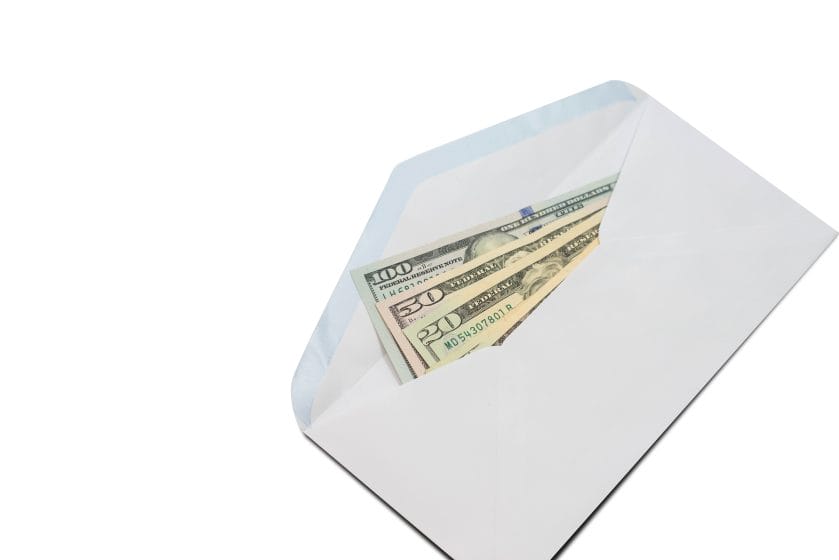
To prevent overspending, many pros leave the debit card at home. They bring a specific amount of cash in an envelope. When the cash is gone, the shopping is done. This physical constraint forces prioritization and completely eliminates impulse buys.
8. Reusable Bags
Beyond saving the environment, reusable bags save money. Many stores offer a five or ten-cent credit for every bag you bring. It seems small, but over a year, it adds up to a free carton of eggs. Plus, sturdy bags prevent rips that can lead to broken jars and wasted food.
9. Store Loyalty Apps
These are essential for digital coupons. Pros download the app for every store they visit to clip the “digital only” deals that can save dollars on specific items. They also use them to track fuel points.
10. A Meal Planning Calendar
Finally, pros use a visual calendar to map out their meals. This prevents the “what’s for dinner?” panic that leads to expensive takeout. It ensures every ingredient purchased has a specific destination in a meal.
Building Your Kit
You don’t need to buy everything at once. Start with a price book and a calculator. As you save money, reinvest it into a freezer and a vacuum sealer. Eventually, you will have a system that makes saving money automatic.
What to Read Next
6 Grocery Savings Mistakes Couponers Regret Most
10 Ways to Stretch a Grocery Coupon Into Multiple Savings
How to Use Cash-Back Apps Like Ibotta for Maximum Savings
How to Turn Leftovers Into Grocery Savings with Clever Planning
Grocery Shopper Habits Shift Toward Fewer Trips, Bigger Carts, Bigger Savings
The post 10 Grocery Savings Tools That Professional Shoppers Use appeared first on Grocery Coupon Guide.