It’s the day before the 4th of July, and every single package of hot dog buns has vanished. It’s the week of Thanksgiving, and the store is sold out of canned pumpkin. This isn’t a coincidence; it’s a predictable pattern of consumer demand, supply chain stress, and “just-in-time” inventory. Stores try to predict the rush, but they often underestimate, leaving shoppers to hunt for items that disappear right when the holiday hits.
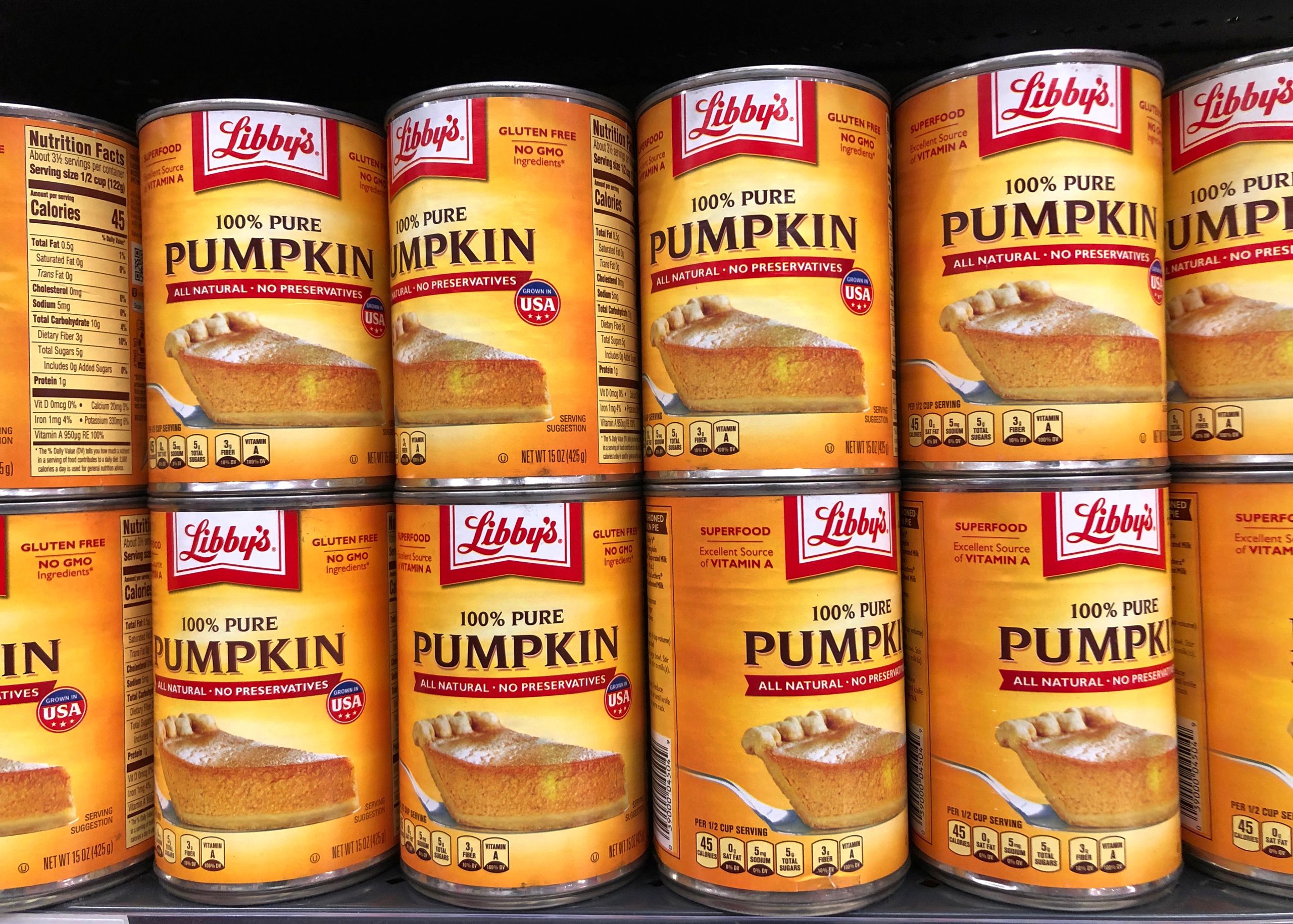
Canned Pumpkin
This is the classic example. Most shoppers buy canned pumpkin once a year, in the same two-week window. The entire supply is based on last year’s sales. If a new recipe goes viral on social media or a “pumpkin spice” trend hits a fever pitch, the supply chain can’t keep up. The shelves are often stripped bare by mid-November, and when they’re gone, they’re gone until next year.
Hot Dog & Hamburger Buns
This shortage is a matter of shelf-life. Buns are perishable. Stores can’t stock up on them for weeks in advance, so they rely on massive daily deliveries leading up to a grilling holiday like the 4th of July or Labor Day. All it takes is a sunny weather forecast to send everyone to the store at once, and the daily supply is wiped out by 3 PM.
Cream Cheese
From New Year’s Day bagels to Christmas cheesecakes and countless party dips, cream cheese is the unsung hero of holiday entertaining. Demand explodes in December. Because it’s a refrigerated dairy product, supply is more constrained than shelf-stable goods. This can lead to bare shelves, as seen during the “great cream cheese shortage” in recent years.
Cranberry Sauce
This is a single-brand-dominance problem. For millions of shoppers, “cranberry sauce” means one specific brand (Ocean Spray). If that one brand under-predicts demand or has a single production-line issue, the entire category disappears. There are very few backup brands for shoppers to turn to, making it a high-risk item.
Disposable Roasting Pans
Shoppers buy exactly one of these, once a year. Stores treat this as purely seasonal merchandise, not a staple. They order a set amount for the entire holiday season. There is no “back stock,” and there are no re-orders. What you see on the display in early November is often all they have. By the week of Thanksgiving, only the dented or comically large ones are left.
Fried Onion Toppers
This item’s fate is tied to a single, iconic recipe: the green bean casserole. Millions of families make this specific dish on the same day. Much like cranberry sauce, one brand (French’s) dominates the market. It’s a guaranteed sell-out at almost every store, leaving late shoppers to hunt for crushed-up potato chips as a substitute.
Evaporated & Condensed Milk
These are the non-perishable backbones of countless holiday desserts, from pumpkin pie to fudge. Like canned pumpkin, their sales are not spread throughout the year. Demand occurs in a single, massive three-week wave. Shoppers who are baking early will often buy 5-10 cans at a time, wiping out the stock before you’ve even made your list.
Eggnog
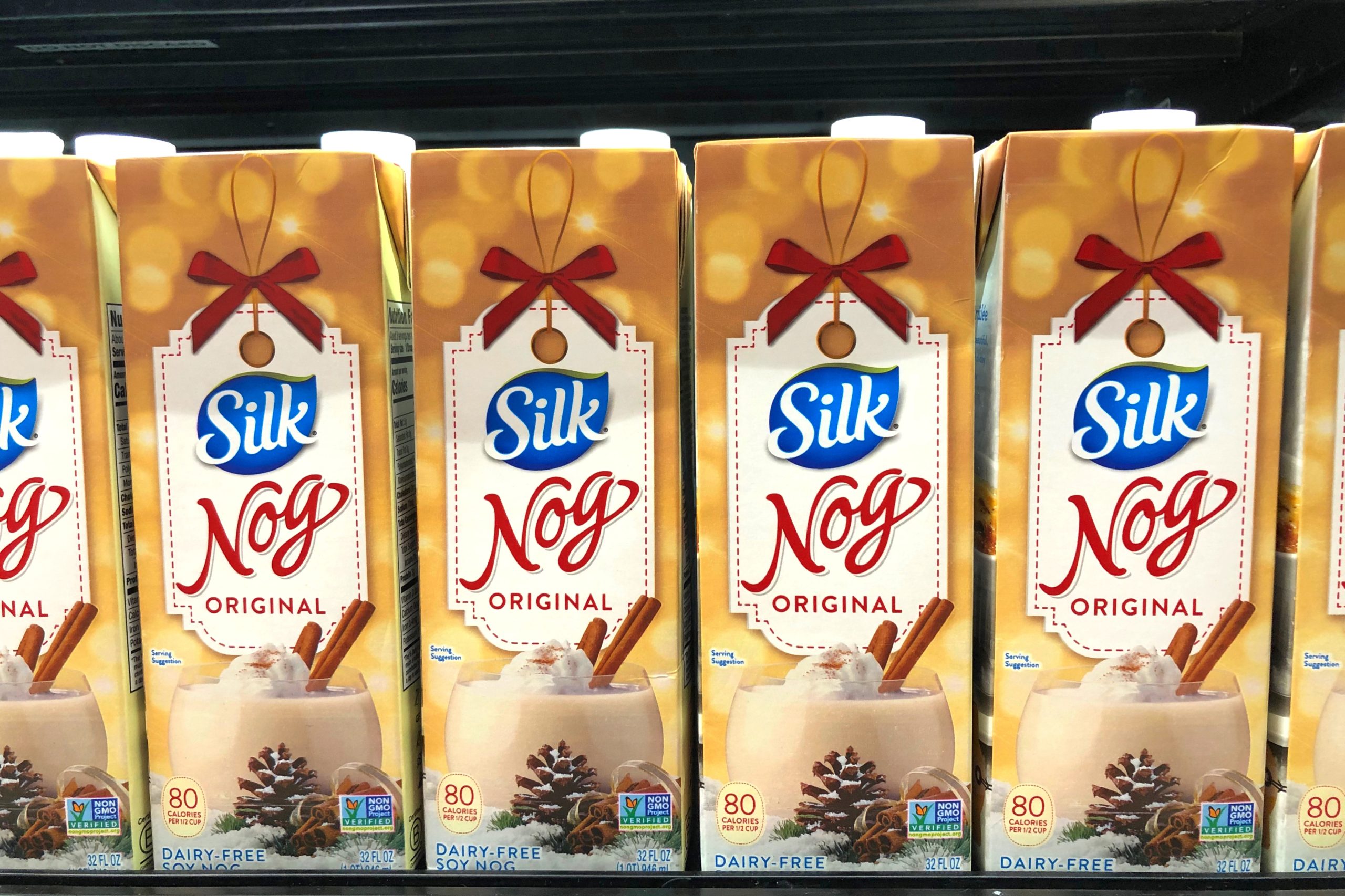
As a seasonal, perishable dairy product, stores are incredibly cautious with their orders. They order based on last year’s sales, but a “surprisingly early” cold snap or a popular TikTok recipe can cause a massive, unexpected run. Once the seasonal batch from the local dairy is gone, it’s often not remade, leaving shelves empty by mid-December.
Bagged Ice
This is the ultimate “just-in-time” purchase. No one has room in their freezer to stock up. Everyone buys it on the day of the party. The freezers in the front of the store can only hold so much inventory, and on a 95-degree holiday weekend, they are emptied and refilled constantly. If you arrive at 4 PM, you’re likely too late.
Holiday-Themed Paper Goods
Those red, white, and blue paper plates for Memorial Day or the turkey-adorned napkins for Thanksgiving are pure seasonal merchandise. The store has no back stock. They are designed to sell out completely by the holiday. Waiting for a last-minute “clearance” is a mistake—waiting until the day before means you’ll be using plain white.
How to Beat the Holiday Shortages
The key to beating the rush is to stop shopping with the rush. The cardinal rule is simple: buy anything you can buy early, early. Anything shelf-stable (canned goods, baking supplies, paper goods, disposable pans) should be in your cart two to three weeks before the holiday. This leaves you to buy only the fresh, perishable items (meat, produce, dairy) in the final chaotic days, turning a stressful, 30-item hunt into a simple, 5-item pickup.
What to Read Next
- The Price Hike Illusion: Are Grocery Brands Raising Rates Before Holidays, or Is It Something Else?
- 7 Luxury Holiday Items No One Buys Until They Hit Clearance
- 12 Holiday Items That Never Belong on Grocery Lists
- 5 Times Holiday Shoppers Got Arrested Over Grocery Fights
- 9 Budget Mistakes Made During Holiday Shopping Rush
The post 10 Grocery Items That Vanish Right Before a Holiday Weekend appeared first on Grocery Coupon Guide.