We’ve all been there: you’re staring at two identical-looking products on the shelf, but one costs twice as much. The expensive one boasts about its “artisan” origins, “premium” ingredients, or “doctor-recommended” status. But what are you really paying for? Often, it’s not a better product—it’s just better marketing. Brands spend billions to convince you their item is special, and in many cases, the high price tag is the only thing that makes it different. Here are 10 common grocery items where the price is driven by hype, not by value.
1. Gourmet Bottled Water
Water that is “sourced from a volcanic spring” or “filtered through pristine Alpine rocks” is, at its core, just water. While municipal water quality varies, a basic filtered pitcher at home often provides the same quality as a $5 bottle of water in a fancy glass container. The high price comes from the brand’s story, the “luxury” packaging, and the feeling of status it provides.
2. Himalayan Pink Salt
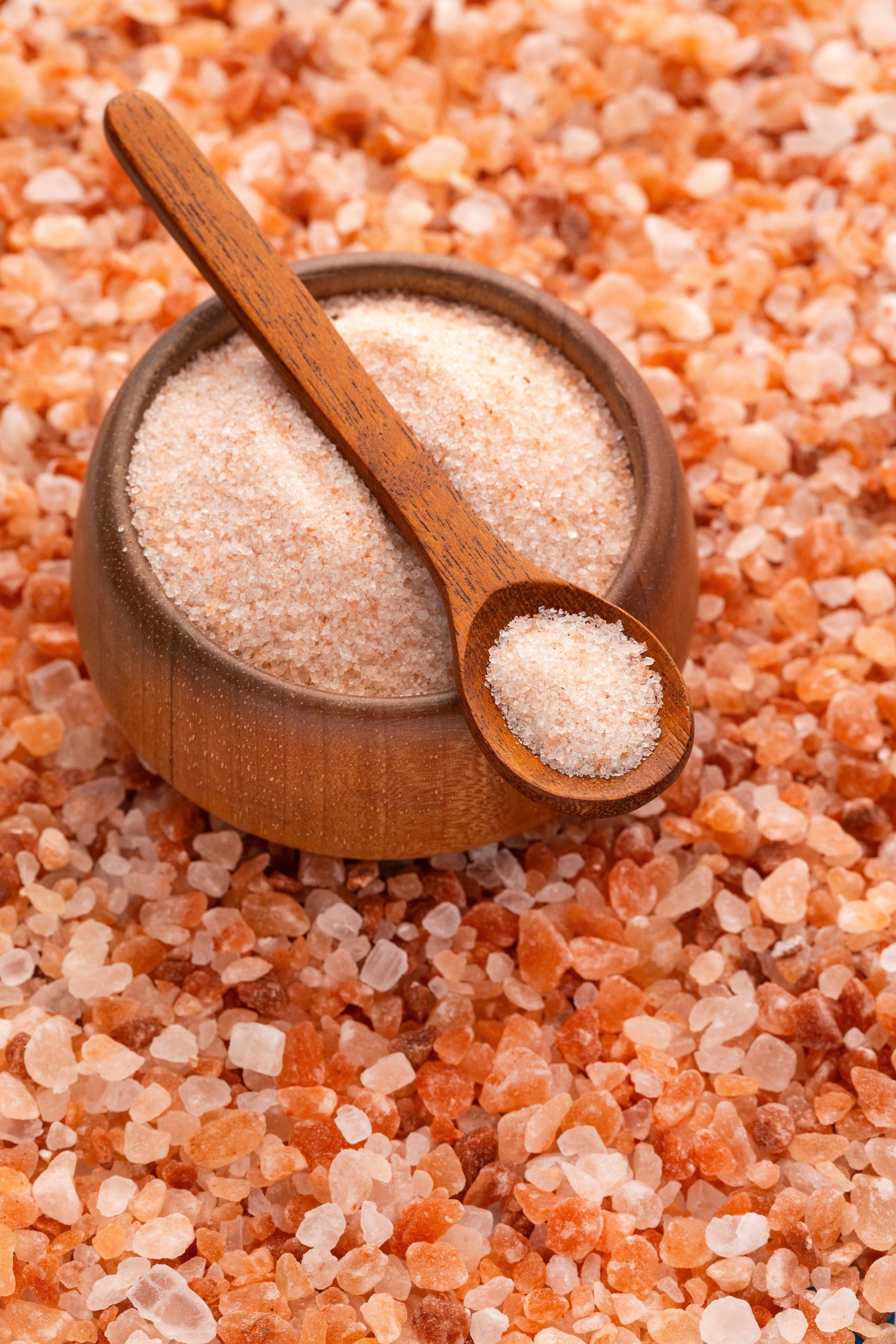
Marketed as being packed with 84 “essential minerals,” Himalayan salt has become a pantry status symbol. The truth? Those minerals exist in such microscopic trace amounts that they have no measurable health benefit. The pink color comes from iron oxide (rust), and its flavor is identical to regular sea salt. You are paying a 2,000% markup for a pretty color and a good story.
3. Brand-Name Cereal
When you buy a box of brand-name “O’s,” you are paying for the cartoon mascot, the primetime TV commercials, and the prize in the box. Turn that box around and compare the store-brand ingredients right next to it. They are often identical, made in the same factory, and just put in a different bag. The store brand is 99% of the product for 60% of the price.
4. Over-the-Counter Medicines
This is the most straightforward example. The FDA mandates that generic drugs be “bioequivalent” to their brand-name counterparts. This means the 200mg of “Advil” (Ibuprofen) in the branded bottle is chemically identical to the 200mg of “Ibuprofen” in the store-brand bottle. The active ingredient is the same, the dosage is the same, and the effect is the same. The only difference is the multi-million dollar ad campaign for the brand name.
5. “Gluten-Free” on Naturally GF Foods
You’ve seen it: “Gluten-Free Water,” “Gluten-Free Raisins,” or “Gluten-Free Canned Corn.” These items never contained gluten in the first place. This is a pure marketing tactic called “virtue signaling.” Brands place this label on their product to make it seem healthier and to justify a higher price to shoppers who are quickly scanning for “healthy” keywords.
6. Organic-Labeled Produce (with Peels)
While “organic” has a real, certified meaning, it’s not always a smart purchase. You are paying a huge premium for organic bananas, avocados, pineapples, and oranges. These are all products where you discard the thick, protective peel. Any pesticide residue on the outside (which is minimal even on conventional versions) never makes it to the fruit you eat. Save your money for organic items where you do eat the skin, like berries, apples, and leafy greens.
7. Superfood Powders
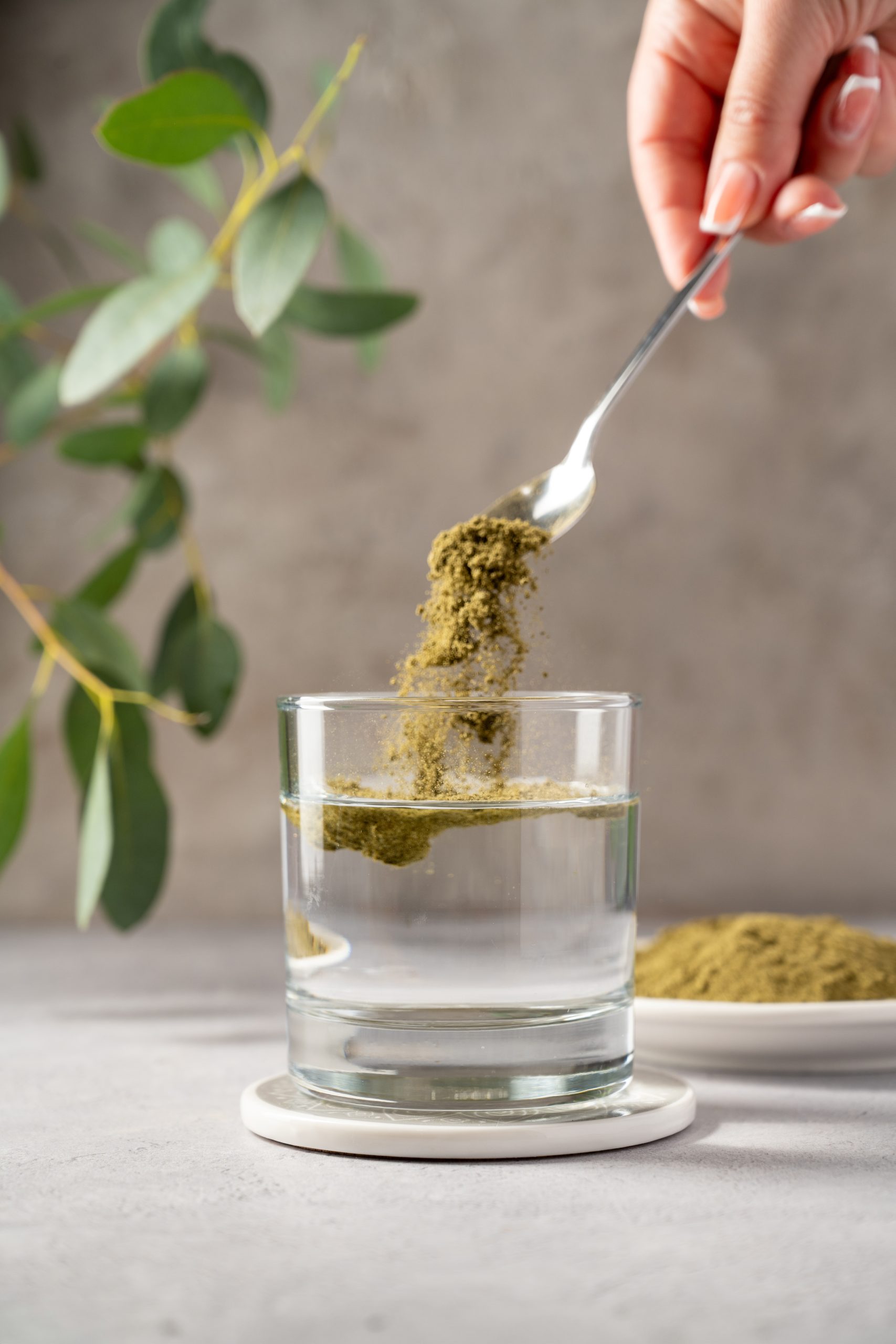
Acai, maca, matcha, and moringa powders are sold in small, expensive bags with huge promises. While these plant-based powders do contain nutrients, their prices are wildly inflated due to their “exotic” status and social media hype. You can get the same (or more) antioxidants, fiber, and vitamins for a fraction of the price from whole foods like blueberries, spinach, green tea, and nuts.
8. Premium Baby Formula:
This is a tough one for parents, as marketing preys on their deepest fears. All baby formula sold in the U.S. must meet the same strict FDA nutritional requirements to ensure an infant’s healthy development. Brands that add “brain-nourishing” DHA or “immune-boosting” prebiotics often use them in amounts too small to be clinically significant, but just enough to justify a massive price hike. The basic store brand is just as safe and nutritious for your baby.
9. Pre-Cut Fruits and Vegetables:
A plastic container of pre-cut pineapple or chopped onions costs two to three times more than the whole product sitting next to it. You are not paying for better food; you are paying a massive premium for 10 minutes of labor. This convenience tax is one of the biggest profit-makers in the produce aisle.
10. K-Cups and Coffee Pods:
A 12-ounce bag of quality coffee beans costs around $15 and makes about 40 cups of coffee. That’s roughly 37 cents per cup. A box of 12 K-Cups costs about $9, which comes out to 75 cents per cup—double the price. You are paying twice as much (or more) for the “convenience” of a single-serving pod, while getting coffee that is often less fresh than a whole bean.
Stop Buying the Hype
As a savvy shopper, your best defense is to become a “marketing detective.” Always question the claims on the front of the box and turn it over to read the label on the back. Ask yourself: Am I paying for a genuinely better product, or am I just paying for the ad? More often than not, the cheaper, less-marketed generic or store-brand version is the smarter choice for your wallet.
What to Read Next
- 8 Expiration Dates That Are Just Marketing Tricks
- 7 Red Flags That a Rebate Offer Might Be a Marketing Trap
- Are Companies Marketing Snacks for Kids Slowly Poisoning Them?
- 10 Products That Are Made in the Same Factory as the “Premium” Brands
- The Hidden Code on Produce Stickers That Shoppers Rarely Understand
The post 10 Grocery Items That Are Only Expensive Because of Marketing appeared first on Grocery Coupon Guide.