
The modern shopper is vigilant about avoiding desserts and candy. However, the most significant source of added sugar often lurks in the health food aisles. Many common items that appear benign or even nutritious are actually packed with sugar, added by manufacturers to enhance flavor, preserve products, or compensate for fat removal. This subtle process means you are often consuming more sugar in your breakfast than in your evening dessert.

1. Flavored Low-Fat Yogurt
Yogurt is widely seen as a healthy, high-protein snack. However, the low-fat versions are often deceptively high in sugar. When manufacturers remove the fat, they must replace the lost flavor and texture. A single six-ounce container of flavored yogurt can contain up to 25 grams of sugar. This amount easily surpasses the sugar content of a large chocolate chip cookie.
2. Bottled Smoothies and Juices
Bottled fruit smoothies and 100 percent fruit juices are often marketed as nutritional powerhouses. A single 15-ounce bottle of some fruit smoothies can contain over 50 grams of sugar. This is equivalent to drinking a bottle of regular soda. While some sugar is natural, the high concentration and lack of fiber cause massive blood sugar spikes.
3. Canned Soup and Tomato Sauces
The savory aisle is not safe from added sugar. Canned tomato soup and tomato-based pasta sauces often require sugar to balance the high acidity of the tomatoes. A single cup of certain name-brand tomato soups can contain 15 grams of added sugar. This necessary addition pushes the total sugar count higher than a small piece of cake.
4. Granola and Energy Bars
These convenient items are often grabbed as a quick, healthy snack or meal replacement. Many granola bars and protein bars function essentially as candy bars. They are held together by high sugar syrups and often coated in chocolate. Certain bars contain upwards of 20 grams of sugar. Always check the ingredient list for syrups and crystalline sugars.
5. Ketchup and Barbecue Sauces
Condiments are another major source of hidden sugar in the diet. Manufacturers use sugar not just for taste, but also to enhance the color and texture of the sauce. Ketchup, for example, averages four grams of sugar per single tablespoon serving. A person enjoying barbecue ribs or dipping fries frequently consumes a sugar load equal to a full scoop of ice cream.
6. Salad Dressings
The dressings marketed as “low fat” are notorious sources of added sugar. When the fat is removed to meet dietary trends, the dressing loses its mouthfeel and flavor. Manufacturers compensate by adding high-fructose corn syrup or sugar. This trade-off often leaves the low-fat dressing with a higher sugar count than its full-fat counterpart.
7. Flavored Nut Butters
Nut butters are an excellent source of healthy fats and protein. However, the flavored varieties, such as cinnamon swirl or honey-roasted peanut butter, often contain unnecessary added sugar. These additions defeat the purpose of buying a healthy fat source. The total sugar content can quickly rival that of a glazed donut.
8. Dried Fruit
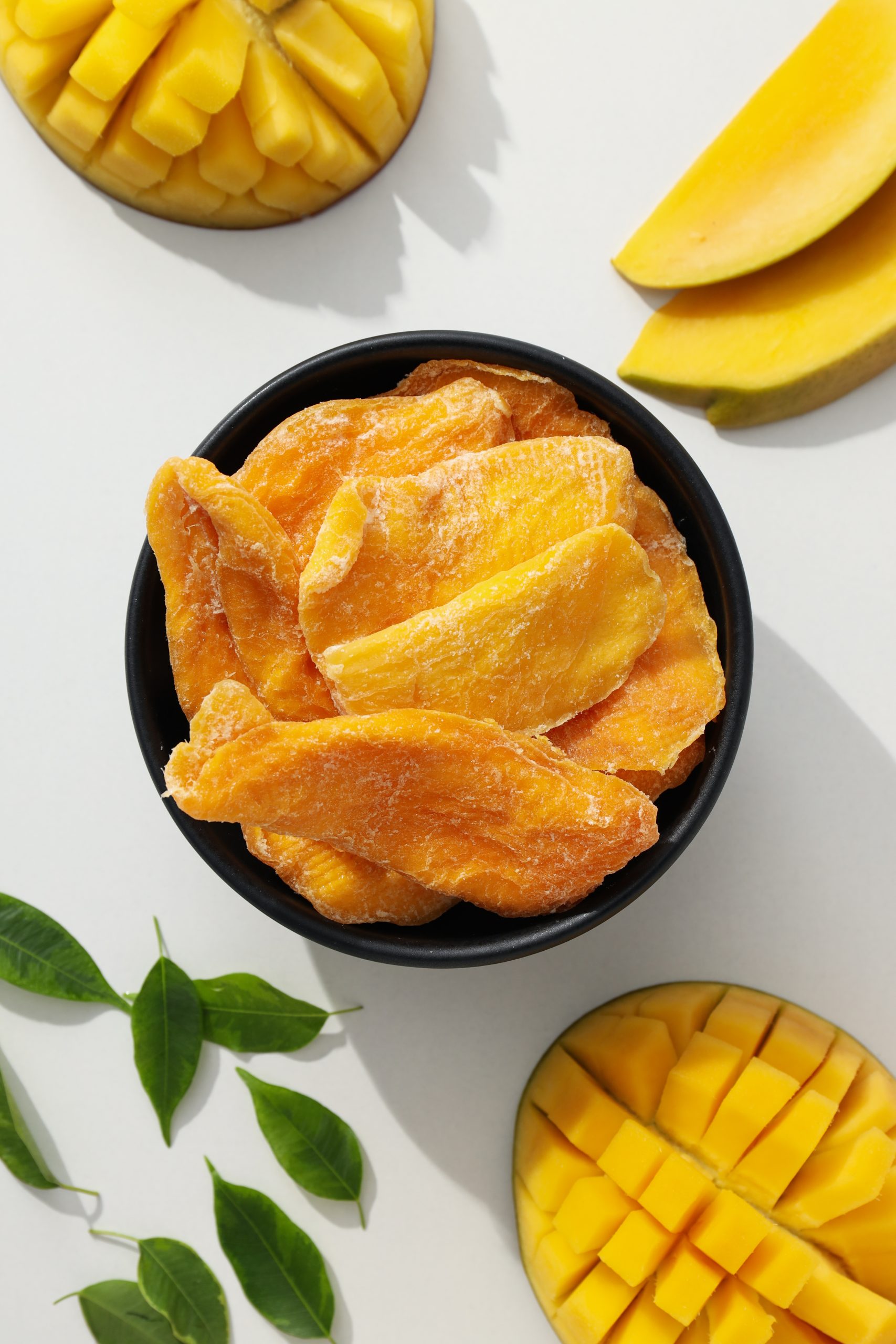
Dried fruits like cranberries, cherries, and pineapple pieces are often added to cereals and oatmeal. wide varieties are coated in sugar during the drying process to increase palatability and reduce clumping. A small quarter-cup serving can contain 15 grams of sugar or more. This makes a healthy-sounding addition equal to a dessert topping.
9. Instant Oatmeal Packets
Plain oatmeal is a genuine health food. The pre-packaged, flavored instant oatmeal packets, however, are loaded with sweeteners. Varieties like “Maple and Brown Sugar” or “Apple Cinnamon” can contain over 12 grams of sugar. This addition turns a simple grain into a sugar-heavy meal base.
10. Store-Bought Coleslaw
Pre-made deli coleslaw is a frequently overlooked source of hidden sugar. The creamy dressing used to bind the cabbage is often sweetened extensively with sugar or corn syrup. A small side serving can easily contain more than 10 grams of sugar. This amount rivals that found in a small chocolate pudding cup.
A New Definition of Dessert
These examples show that consumers must redefine what they consider dessert. Sugar is a cheap, powerful flavor enhancer that drives palatability. Shoppers must learn to scan the “added sugar” line on the nutrition panel, even on items they believe are healthy. The most effective way to reduce sugar intake is to avoid these processed items entirely.
What to Read Next
- 8 Frozen Desserts That Outshine Bakery Cakes
- 10 Signature Desserts Everyone Should Taste at Least Once
- Which Grocery Store Desserts Are a Total Miss?
- Betty Crocker Shake-N-Pour Dessert Deal
- 10 Popular Canned Foods Now Missing Their Key Ingredients
The post 10 Groceries That Have More Sugar Than Dessert appeared first on Grocery Coupon Guide.