Non-binary characters are a rarity in film and TV, almost non-existent in either medium until the 21st century. Within the last few decades, genderqueer people have slowly gained a newfound cultural acceptance, marking a turning point from centuries of erasure and oppression across human history. Though the non-binary identity has existed for as long as human beings themselves, genderfluid people still remain under-represented in art. Despite this centuries-long struggle for visibility, the spotlight is slowly turning towards non-binary characters in film and TV, and these 10 have blazed a trail for genderqueer narratives in pop culture.
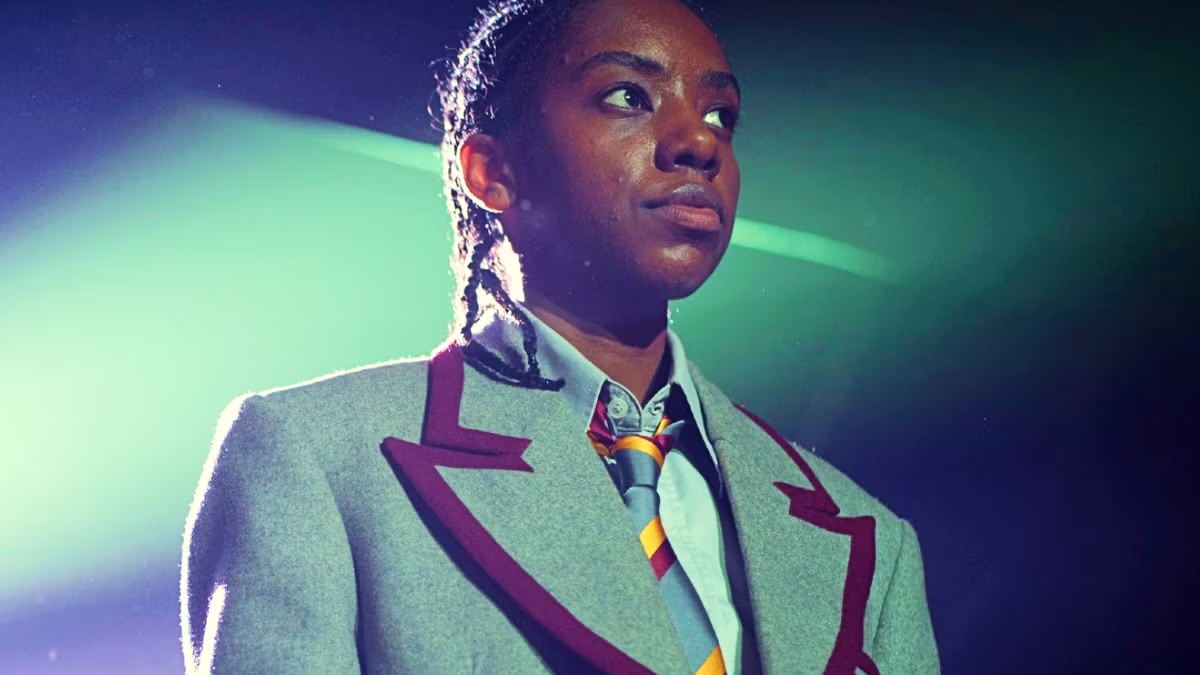
Jim Jimenez — Our Flag Means Death

An enby pirate under the employ of Captain Stede Bonnet, Jim is one of the most well-developed non-binary characters in TV history. Though they begin Our Flag Means Death as a quiet and introverted side character disguising themselves as a man, the complexities of their personality are slowly revealed as the series goes on. Aside from being one of the most competent fighters in Stede’s crew (seriously, watch them throw a knife), they also reveal themselves to be one of the most passionate and deeply feeling. They have an adorable friends-to-lovers romance with their fellow crew member Oluwande Boodhari, a rare example of genderqueer romance centered around mutual joy and care. Oluwande doesn’t mind that Jim’s killed a few people in the past — if that’s not love and radical acceptance, then I don’t know what is.
Taylor Mason — Billions
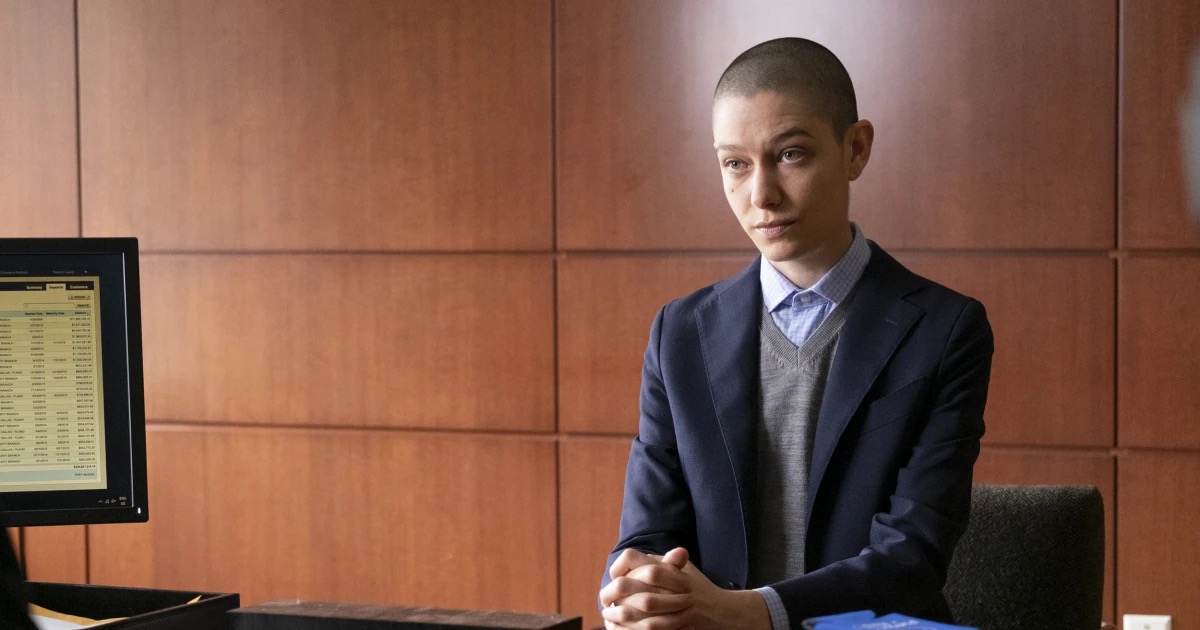
Taylor Mason is arguably one of the most important queer characters in TV history, the first non-binary character to appear on a major network show. Responsible for introducing genderfluidity to the masses, Taylor was many an audience member’s first exposure to genderqueerness. Naturally, their inclusion on the show was polarizing, but despite pushback from some viewers, Taylor remained a core character on Billions for multiple seasons. Like Jim of Our Flag Means Death, Taylor is one of the most intelligent and competent characters in the series, and their expertise in finance proved instrumental to the success of the hedge fund Axe Capital. Their inclusion in the series opened the door for other non-binary performers in entertainment and was a watershed moment for queer visibility in mainstream pop culture.
Nimona — Nimona
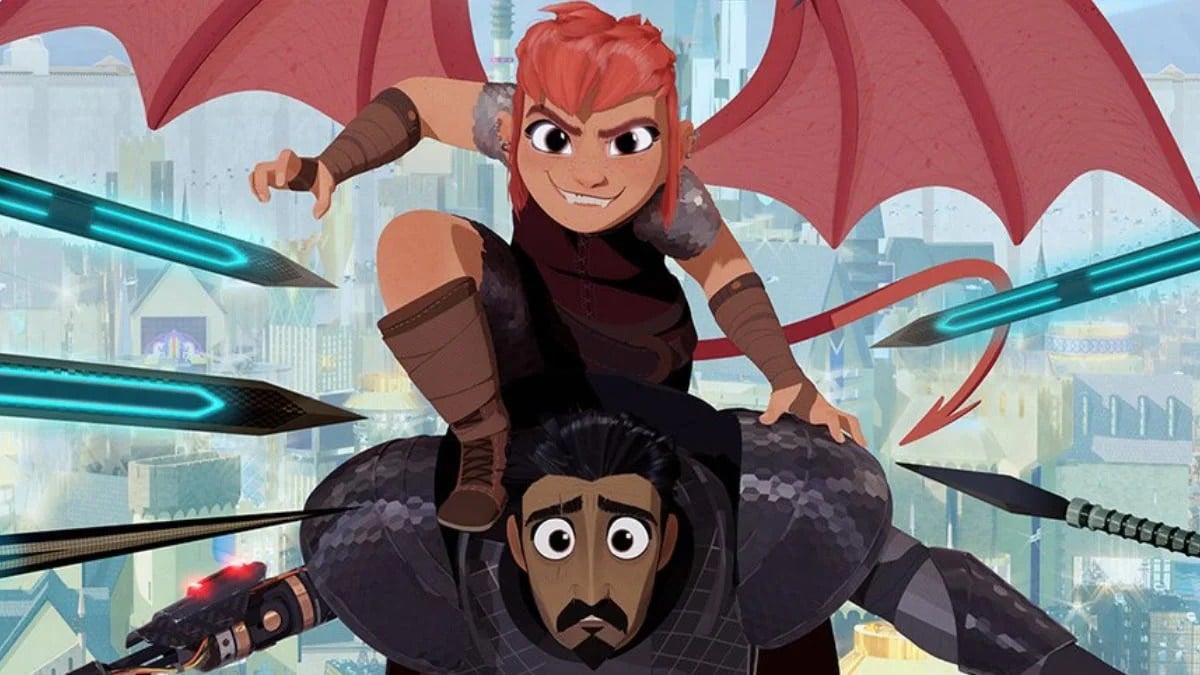
Adapted from ND Stevenson’s groundbreaking queer webcomic of the same name, Nimona is one of the most important pieces of genderqueer media in the 21st century. The film’s central shape shifter is refreshingly complex, their morality as ambiguous as their corporeal form. Ostracized for their very nature, Nimona ekes out a living on the fringes of their fantasy/sci-fi society — a painfully prescient parallel for the discrimination that queer people face in the real world. Nimona embodies the non-binary desire to tear down the oppressive social order, to go wild in a system that demands control. Watching them blast apart the city as a blue whale or a gorilla isn’t just a necessary expression of queer rebellion; it’s also just immensely fun to watch.
Hange Zoë — Attack on Titan
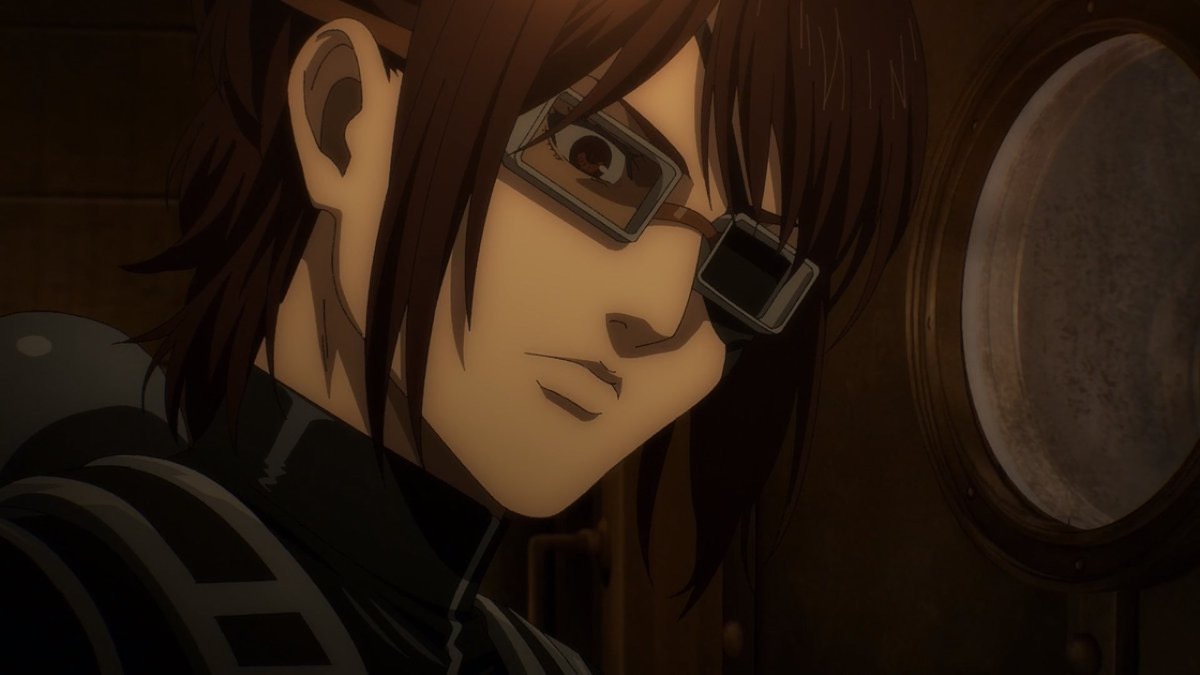
Hange Zoë is arguably the most groundbreaking non-binary character in anime history, and one of the most important queer figures in the entire medium. A central player in one of the most celebrated anime of the 21st century, Hange’s inclusion in Attack on Titan marks a rare moment where a non-binary person became a major component of a prestige series. While they were presented as female to Western audiences, series creator Hajime Isayama has repeatedly refused to gender Hange, making their fluidity a canon aspect of their character. While many non-binary characters are relegated to supporting cast members, Hange is an essential figure in humanity’s struggle for survival. A brilliant scientist, fierce fighter, and loyal comrade, they are the epitome of queer excellence — a hero in every sense of the word. They’re also responsible for the show’s much-needed moments of comic relief — capturing Titans and keeping them as pets was a stroke of chaotic queer genius.
Double Trouble — She-Ra and the Princesses of Power
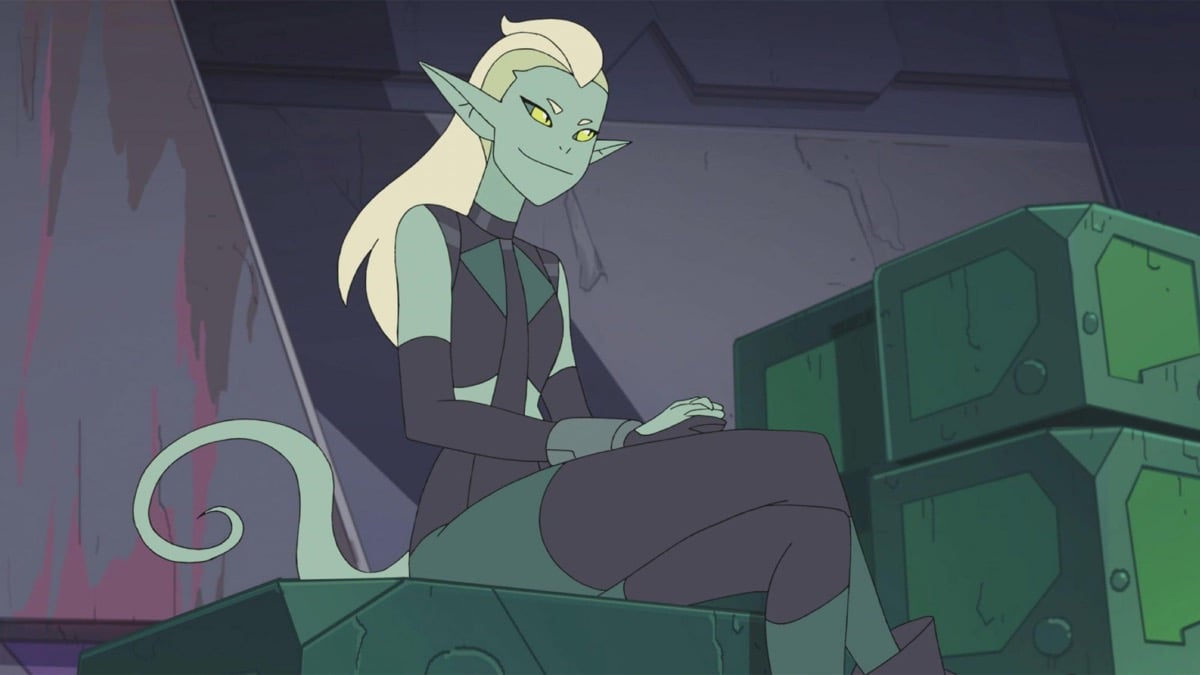
A ludicrously underrated character from a ludicrously underrated series, Double Trouble first appeared on She-Ra and the Princesses of Power as a villain — a refreshing departure from the morally straight-laced norm. There is a tendency in the media to make queer characters virtuous or heroic to be better received by audiences, but Double Trouble was an exception to the respectability rule. A mercenary shape-shifter selling their services to the highest bidder, Double Trouble is a dangerous and debonair double agent that gives She-Ra an extra layer of espionage complexity. Villanizing queerness is problematic, but creating well-rounded queer villains makes for great TV. They’re a good spy, sure, but when it comes to cutting sarcasm, their talent is truly exceptional.
Cal Bowman — Sex Education
Sex Education is a groundbreaking comedy, one that was unafraid to shed light on under-discussed issues of teen sexual health. The series features a plethora of queer characters of all different genders and sexualities — Cal Bowman is one of the show’s best. An artistically inclined new arrival at Moordale Secondary, Cal strikes up a romance with top athlete Jackson Marchetti. Their relationship tackles an under-discussed aspect of non-binary visibility: the painful reality that cisgender people often see what they want to see when it comes to non-binary people, rather than affirming the identity a non-binary person says that they are. Despite his attraction to Cal, the cisgender Jackson fails to understand that dating Cal means that he is in a queer relationship, and his continual inability to do so eventually forces Cal to move on. It’s a rare, painful, and truthful portrayal of the challenge of reconciling one’s non-binary identity with the expectations of well-meaning but uninformed intimate partners. Cal grows from the experience and finds a better relationship later on, and the series continues to grow with them.
Gren — Cowboy Bebop
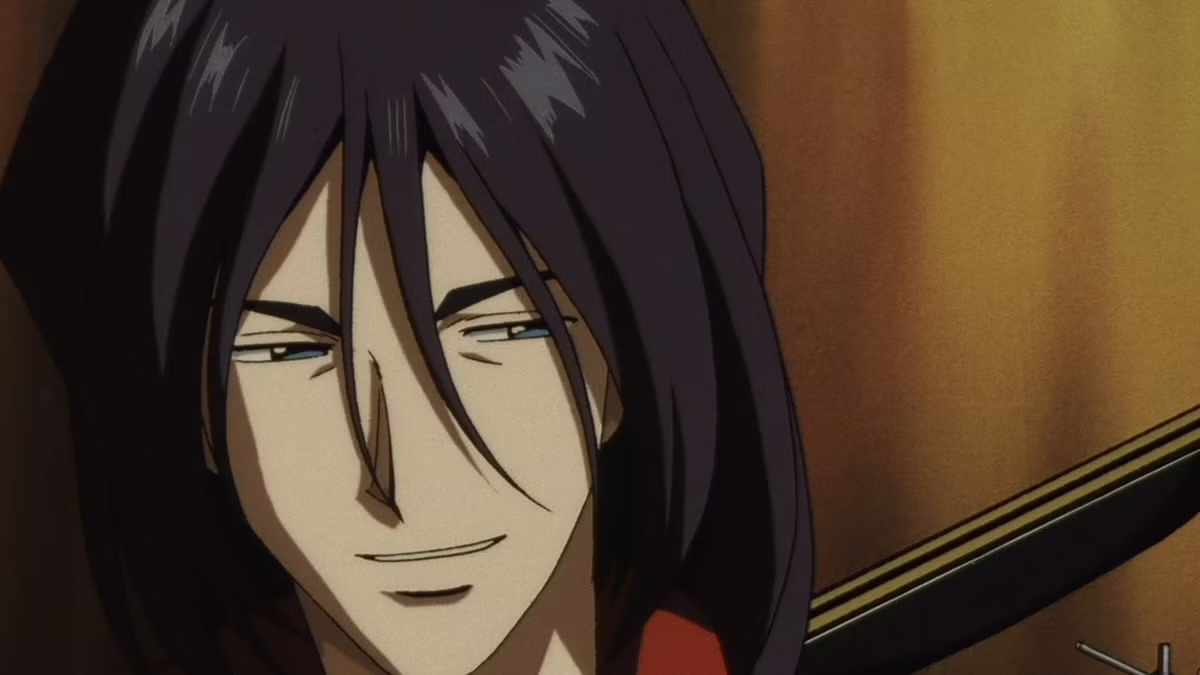
A woefully slept-on queer character from a high-profile series, Cowboy Bebop‘s Gren is one of the first three-dimensional non-binary characters in anime. An AMAB jazz musician who developed female sex characteristics after being injected with drugs in a military prison, Gren lives on a solitary moon inhabited almost entirely by men. They keep their genderfluid identity a secret, passing as cisgender to protect themselves — as many real-world trans people are forced to do. While anime has historically played genderqueerness for laughs, Gren represented a thoughtful departure from a stereotypical norm. Much like the greater narrative of Cowboy Bebop, their story is beautiful, tragic, and soulful as can be. They also have one of the most breathtakingly pretty faces ever drawn, a big win for standard-defying, genderqueer beauty.
Adira Tal — Star Trek: Discovery

The first-ever non-binary character to appear in Star Trek, Adira Tal is a groundbreaking addition to a franchise that prides itself on being forward-thinking. While genderqueer-coded characters have appeared on the show for decades, Adira’s inclusion marked the moment where the series proudly said out loud what it once whispered. The recipient of an extraterrestrial symbiote that connects them to past lifetimes, Adira’s non-binary identity is explored through a complex sci-fi lens. Despite their unique nature, they are respected and normalized by their crewmates. Their character is more than just their complicated backstory, a queer person whose story isn’t stereotypically based around trauma or ostracization. They are an engineer, a scientist, a friend, and a lover, the full spectrum of human (and alien) experience.
Hedwig — Hedwig and the Angry Inch
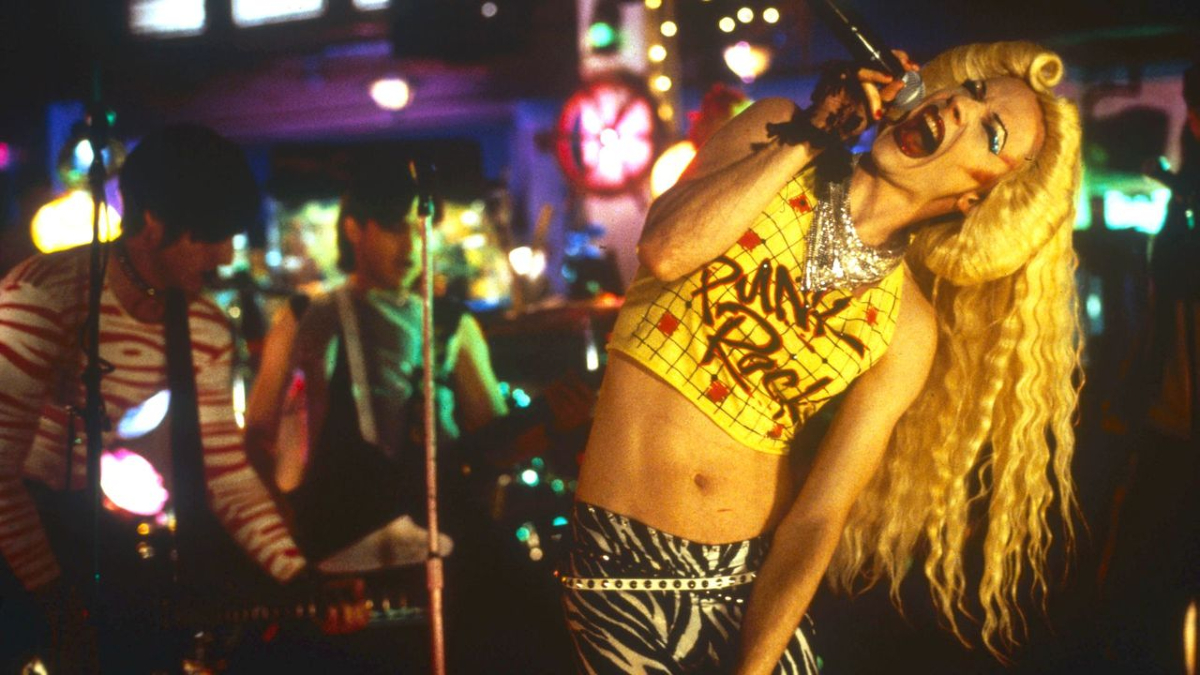
One of the most important queer characters in the history of cinema, Hedwig and the Angry Inch features a rare example of a non-binary character in an era when the identity was almost unheard of in mainstream media. Like many early genderqueer characters, Hedwig’s relationship to their identity is messy at best. Pressured into a botched bottom surgery, the once cis male Hedwig struggles to come to terms with their gender identity after fleeing the stifling society of East Germany. A story of radical self-acceptance set to an alt-rock score, Hedwig’s struggle to fit into a world that refuses to recognize them is a beautiful and tragic testament to the resilience, grace and power of genderqueer people.
Raine Whispers — The Owl House
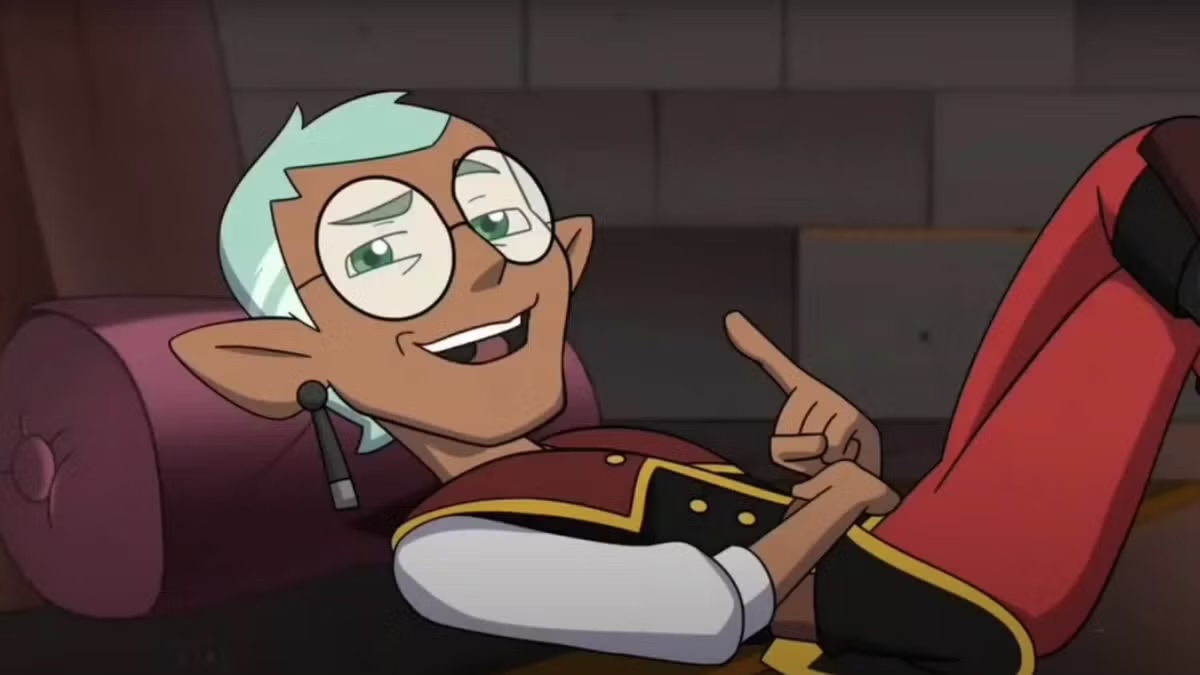
Raine Whispers is the first-ever non-binary character to appear on a children’s TV show, making them one of the most significant in animation history. The partner of Eda Clawthorne, Raine’s inclusion in The Owl House marked a groundbreaking portrayal of healthy queer love, normalizing genderqueer people for young viewers. Raine defied the trope that genderqueer characters need to be based around trauma, presenting a thriving non-binary person whose life is marked by stability and joy. Raine’s position as the leader of the rebel group Bards Against the Throne also teaches about the important legacy of queer activism. Queer people have a long history of standing up against oppression, as a double agent working to bring down an evil magical emperor, Raine serves as a high-fantasy parallel for a real-life struggle for autonomy and civil rights.
(feautred image: Netflix)
Have a tip we should know? [email protected]