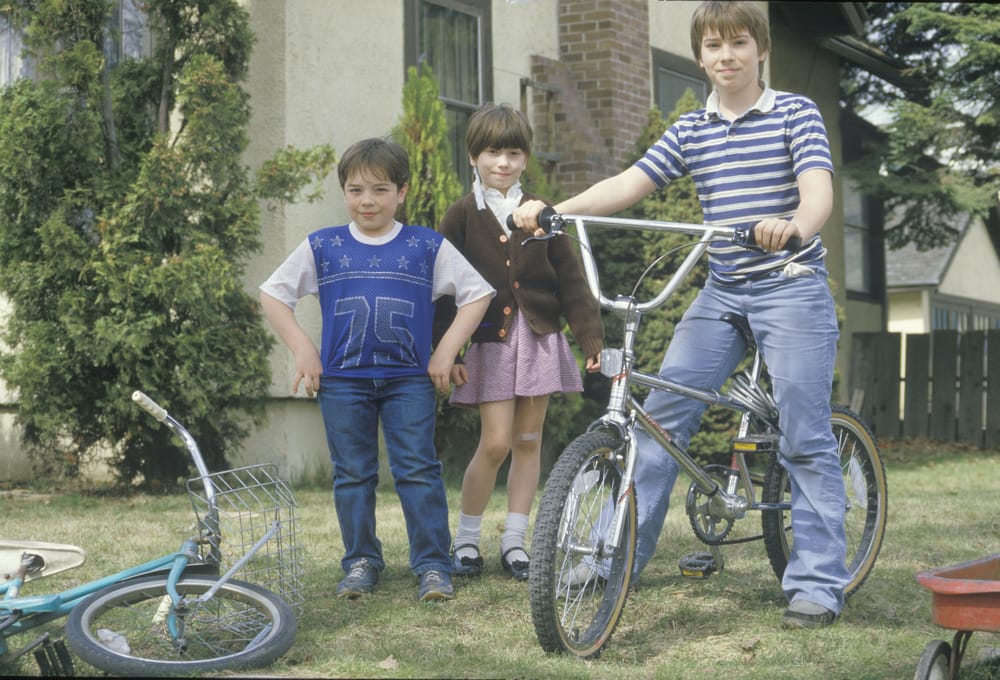
We look back at the 90s with plenty of nostalgia. The slap bracelets were cool, the music was iconic, and the Saturday morning cartoons were unmatched. However, when it comes to the parenting strategies we grew up with, the rose-colored glasses tend to slip off. Gen X parents raised us with a lot of freedom, but they also handed down some habits that left deep emotional marks.
Now that Millennials are the ones running the household, we are actively auditing the script. We aren’t trying to be perfect, but we are definitely trying to be different. It isn’t about blaming our parents; rather, it is about evolving for the sake of our own children. Here are the Gen X parenting habits that this generation is leaving in the past.
The “Latchkey” Mentality
Gen X wore their latchkey status like a badge of honor. They walked home alone, let themselves in, and stayed unsupervised for hours until dinner. While this built independence, it also created a deep sense of isolation for many children. Millennials are swinging the pendulum back toward connection. We value knowing where our kids are and how they are feeling. Consequently, we prioritize supervision and presence over forced self-reliance at a young age.
“Because I Said So”
This was the ultimate trump card in a Gen X household. It shut down curiosity and demanded blind obedience without context. Today, however, we realize that this approach teaches kids to follow orders rather than to think critically. Millennials prefer to explain the “why” behind the rule. We want our children to cooperate because they understand the logic, not because they fear the authority figure.
The Clean Plate Club
Sitting at the dinner table until every pea was gone was a standard Gen X torture method. Parents treated food as a compliance issue rather than a biological one. Unfortunately, this habit disrupted our natural hunger cues and contributed to disordered eating patterns for millions. Modern parents trust their kids’ bodies. We decide what to serve, but the child decides how much to eat. This shift preserves their intuitive relationship with food.
Forced Affection
Remember having to hug Great Aunt Linda even though she smelled like mothballs and you didn’t want to? Gen X parents prioritized the comfort of adults over the bodily autonomy of children. Conversely, Millennials are drawing a hard line here. We teach our kids that their body belongs to them. If they don’t want to hug a relative, a high-five or a wave is a perfectly acceptable alternative.
Dismissing Mental Health as “Moodiness”
In the 90s, anxiety was just “worrying too much,” and depression was “being a brat.” Parents often told kids to snap out of it or go outside to fix their chemical imbalances. Thankfully, the script has flipped completely. We now view mental health with the same seriousness as physical health. If a child is struggling, we call a therapist, not just tell them to take a walk.
“Rub Some Dirt On It”
Gen X parents often viewed physical pain as a weakness to be ignored. Unless a bone was sticking out, you were expected to get back in the game. This taught us to dissociate from our own physical needs and push through pain to our detriment. Millennials are much more responsive to injury and illness. We validate the pain and offer care, teaching children that it is safe to be vulnerable when they hurt.
Weaponizing Privacy
Taking the door off the hinges or reading a diary were common disciplinary tactics. Parents viewed privacy as a privilege they could revoke rather than a right for a growing human. In contrast, Millennials respect their children’s boundaries. We understand that trust works both ways. You cannot demand respect from a teenager while simultaneously violating their personal space.
Body Shaming and Diet Talk
Gen X mothers were often “Almond Moms” before there was a name for it. Constant talk about calories, weight, and “being bad” for eating cake filled the kitchen air. Consequently, many of us grew up thinking our value was tied to our dress size. Millennials are working hard to make their homes body-neutral zones. We focus on what bodies can do rather than just how they look.
Spanking as Discipline
Physical discipline was the norm, and people rarely questioned it. However, extensive research now shows that hitting children leads to aggression and secrecy, not better behavior. Millennials are breaking this cycle in massive numbers. We choose gentle parenting and logical consequences. We want our children to learn emotional regulation, and we know we cannot teach that by losing control of our own tempers.
Performative Politeness
Gen X parents obsessed over how their children appeared to others. Being quiet and polite in public was more important than the child’s actual emotional state. It created a generation of people pleasers who are afraid to rock the boat. Today, we prioritize authenticity. We want our kids to be kind, of course, but not at the expense of their own voice or comfort.
Breaking the Cycle
We are keeping the 90s R&B, but we are recycling the trauma. By choosing connection over control, Millennials are raising a generation that feels seen, heard, and safe.
Which parenting trend from your childhood are you glad is gone? Let’s discuss in the comments below!
What to Read Next…
- 8 Harmless Things Our Parents Did in the 90s That Would Terrify a Modern Mom
- 6 Baby Names Parents Regret Choosing After Birth
- 8 Harsh Money Truths Our Parents Generation Never Told Us (And Its Costing Us Now)
- 9 Tough Love Tactics from 80s Parenting That Would Be Considered Abusive Now
- 12 Weird Parenting Laws Around the World
The post 10 Gen X Parenting Habits Millennials Want Nothing to Do With appeared first on Budget and the Bees.