
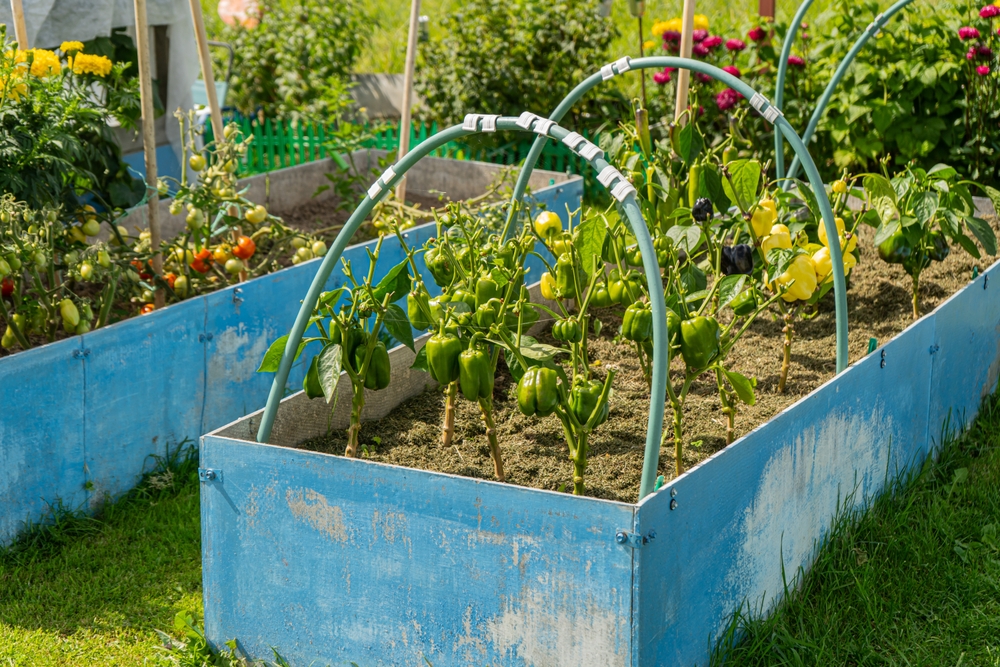
When the garden goes quiet, it’s finally easy to think like a builder instead of a bug-swatting juggler. Cold, calm days let you measure twice, cut once, and actually finish the project you kept postponing all summer. The bonus is timing: solid upgrades built now are ready the moment spring growth takes off. If you’ve been dreaming about better beds, smarter storage, or sturdier supports, this is the season to do it. Pick one or two garden structures that solve your biggest daily headache, and you’ll feel the payoff every single week.
1. Map Out Garden Structures That Earn Their Keep
While not technically a structure, a drawn-out plan is a crucial step toward success. Start with a quick sketch of your space, even if it’s just pencil on scrap paper. Walk your paths and notice where you always step off the walkway, trip on hoses, or squeeze past plants. Mark sunny, shady, and windy spots so you don’t build something beautiful in the wrong microclimate. Choose projects that remove friction, like making watering easier or keeping tools within reach. Then set a “weekend-sized” scope so you finish with momentum instead of a half-built pile.
2. Build Raised Bed Frames That Don’t Bow
Raised beds are a winter-friendly project because lumber is easy to handle without leaf canopies in the way. Use thicker boards or add corner bracing so the sides don’t bulge once the soil settles.
If you want longevity, line the inside with hardware cloth before filling to deter burrowers. Keep the bed width narrow enough to reach the center without stepping on soil, and you’ll save your back later. A simple upgrade like this makes garden structures feel like they’re working for you, not the other way around.
3. Put Up A Sturdy Trellis For Climbers
A trellis is easiest to install when the ground is clear and you can see exactly where it needs to go. Sink posts deep enough to handle summer storms and heavy vines loaded with fruit.
Use screws instead of nails so the frame stays tight year after year. Leave a little space between the trellis and any fence so air can move and mildew doesn’t camp out. With the right support in place now, your plants will climb neatly instead of flopping everywhere.
4. Add A Simple Arch Or Arbor Over A Path
An arbor instantly turns a basic walkway into a “garden moment” without needing fancy materials. Keep it wide enough for a wheelbarrow, and you’ll use that path more often.
Brace the uprights well, because a vine-covered arch catches wind like a sail. If you’re training roses or grapes, add horizontal slats so you can tie growth where you want it. Finish with a quick sealant or exterior paint so it doesn’t weather out before summer.
5. Assemble A Compost Bin That’s Easy To Turn
Compost is happiest when you can mix it without dread, so build for convenience first. A three-bin setup works great if you have space, but even a single sturdy bin beats a floppy pile.
Use removable front slats or a wide door so you can turn and harvest without fighting the frame. Add airflow gaps, but keep them small enough that materials don’t spill out. Well-built garden structures like this pay off every time you empty the kitchen scrap bucket.
6. Construct A Cold Frame For Early Greens
A cold frame is basically a mini greenhouse you can build with scrap lumber and an old window or clear panel. Aim it toward winter sun and tuck it in a spot protected from harsh wind.
Make the lid easy to prop open so you can vent heat on bright days. Add a simple thermometer inside so you learn how fast temperatures swing. Once you have it, garden structures stop feeling seasonal, because you can grow earlier and later with less fuss.
7. Create A Hoop House Skeleton You Can Cover Fast
You don’t have to cover it today, but building the frame now makes spring setup ridiculously quick. Use sturdy hoops and strong ground anchors so the wind can’t yank it loose.
Keep the height tall enough to work inside without crawling, especially if you plan to use it often. Add a ridge pole for strength, and the whole structure will wobble less. For bigger garden structures, this “build now, cover later” approach saves time when you’re busiest.
8. Build A Potting Bench With Real Storage
A potting bench should hold your mess, not spread it across every flat surface you own. Include a lower shelf for heavy soil bags and a small bin area for hand tools.
If you’re tight on space, build it narrow and tuck it against a wall or fence. Add hooks for pruners and gloves so you’re not digging through a drawer mid-task. Once it’s set up, planting sessions feel smoother and less chaotic.
9. Set Up A Rain Barrel Stand That Won’t Tip
Rain barrels get safer and easier to use when they sit on a stable, elevated stand. Build the base wide, level, and braced, because a full barrel is seriously heavy.
Elevation also improves water flow, so you can fill a watering can without awkward angles. Position the stand where overflow won’t flood your walkway or erode soil. Thoughtful garden structures like this turn “free water” into water you’ll actually use.
10. Install A Small Tool Shed Or Lean-To
A simple lean-to keeps tools dry and stops you from dragging everything in and out of the garage. Place it close to the garden so putting things away feels effortless.
Add a few vertical racks inside for rakes and shovels to prevent the classic tool pile collapse. Ventilation matters, so include gaps or vents to reduce moisture buildup. Even a modest storage upgrade can make your whole routine feel lighter.
The Quiet-Season Build That Makes Spring Easier
Off-season building works because you can focus, measure, and troubleshoot without racing daylight and battling pests. Choose projects that solve daily pain points first, then move on to the “nice-to-have” upgrades. Use sturdy fasteners and simple bracing, because a little strength now saves repairs later. Keep each build small enough to finish cleanly, so you start spring proud instead of overwhelmed. When growth returns, you’ll spend your time planting and enjoying the garden, not scrambling to catch up.
Which project would make your garden feel easier to manage this year, and what’s stopping you from building it?
What to Read Next…
When Should You Start Building Your Greenhouse for Next Season?
8 Free Garden Materials People Throw Away Every Week
How to Build a Compost Bin Outdoors in 5 Simple Steps
10 Ways to Keep Outdoor Pots From Cracking in a Hard Freeze
Why You Should Build Trellises and Pergolas During Winter Downtime
The post 10 Garden Structures Worth Building While Bugs Are Gone appeared first on Frugal Gardening.