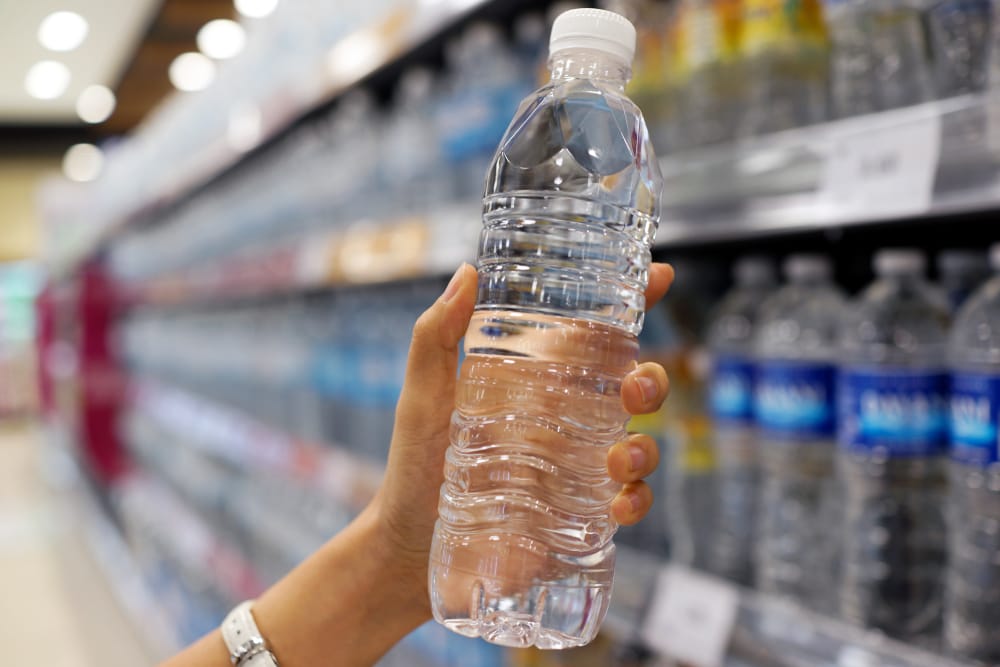
The bottled water aisle looks so harmless—rows of crystal-clear bottles, cool blue labels, and promises of purity that make you feel like you’re buying a slice of nature itself. But behind that refreshing marketing fantasy lies a world of secrets the bottled water industry hopes you never bother to investigate. The truth is far stranger, more surprising, and sometimes more unsettling than you might expect.
From mysterious sources to sneaky environmental costs, bottled water has a lot of explaining to do. So before you crack open your next “spring-fed” masterpiece, let’s dive into the eye-opening truths hiding beneath that perfectly sealed plastic cap.
1. Bottled Water Is Often Just Tap Water
Many people assume bottled water comes from pristine mountain springs, yet a surprising amount is simply filtered city tap water. Companies repackage and market it with scenic landscapes to make it seem more exotic than it is. This trick works, because consumers rarely question what’s behind the label. Even when the water is filtered, the superiority claim is usually more about perception than reality. You might be paying ten times the price of tap water for a fancy bottle and a story.
2. Plastic Bottles Shed Microplastics Into Your Drink
Every time you twist open a plastic bottle, tiny particles can break off and slip right into the water. These microplastics are invisible but shockingly common in bottled beverages. As plastic bottles warm up in cars, stores, or gym bags, the shedding only intensifies. Researchers are still studying the long-term impact of ingesting these particles, but early findings aren’t comforting. When your water tastes “clean,” it may actually come with a hidden side of microscopic plastic confetti.
3. Bottled Water Isn’t Regulated as Strictly as You Think
The bottled water industry loves to brag about purity, but regulation varies wildly depending on where the bottle is sold. Tap water, ironically, often faces more rigorous government testing and monitoring. Bottled water companies can operate with different standards, fewer oversight requirements, and far less frequent testing. This means consumers are trusting companies rather than robust public systems. The marketing sounds scientific, but the safety standards can be surprisingly loose behind the scenes.
4. The Environmental Footprint Is Massive
Bottled water doesn’t just appear on store shelves by magic; each bottle takes energy, oil, and transportation resources to produce. Millions of barrels of oil are used annually to create the bottles alone, and that’s before factoring in shipping across states or countries. Most of those bottles don’t get recycled, despite the hopeful blue arrows on the label. Instead, they end up in landfills, oceans, and roadways for hundreds of years. When you see a bottle of water, you’re also seeing a trail of pollution stretching far beyond the container.
5. Companies Often Drain Local Water Supplies
Some bottled water companies extract water from rural towns, aquifers, and natural reserves at shockingly low costs. Locals sometimes suffer droughtlike conditions while bottling facilities continue operations unhindered. This creates tension between residents and corporations that profit from resources they barely paid for. Entire ecosystems can be impacted when water is redirected for profit rather than sustainability. The convenience of bottled water often hides the complicated ethics behind its origins.
6. “Natural Spring Water” Isn’t Always What It Sounds Like
Labels with phrases like “mountain spring,” “pure glacier,” or “fresh artesian” paint a dreamy picture, but the reality is often more mundane. Some “spring water” comes from underground wells located nowhere near the pristine landscapes shown on the packaging. Companies use vague legal definitions that allow creative interpretations of what qualifies as a spring. The imagery is designed to sell a feeling, not a fact. Consumers often pay premium prices for branding, not geography.
7. Bottled Water Can Sit for Months—or Years—Before You Drink It
Many people assume bottled water is fresh because it looks clean and untouched. But bottles may sit in warehouses, shipping containers, and store shelves for long stretches of time. During this slow journey, the plastic can degrade and leach chemicals into the water. Even without heat exposure, the aging process still affects taste and quality. What you believe is crisp and refreshing might actually be old, stale, and chemically altered.
8. The Recycling System Can’t Keep Up
Even the most dedicated recyclers may not realize how few plastic bottles actually get repurposed. Many containers are contaminated, improperly sorted, or produced with plastics that are difficult to recycle efficiently. As a result, a shocking portion ends up being “downcycled” or discarded entirely. Bottled water companies highlight recycling to ease consumer guilt, but the reality is far less optimistic. The recycling system simply isn’t built to handle the tidal wave of plastic bottles we produce.
9. Bottled Water Creates a False Sense of Safety
Some people avoid tap water out of fear, believing bottled water is the safer choice. But this perception often comes from marketing rather than actual scientific evidence. Tap water in most developed areas is rigorously tested multiple times a day. Bottled water, on the other hand, may go far longer without inspection or detailed reporting. Brands sell the idea of safety, but in many cases, the tap at home is more reliable.
10. It Costs Way More Than It Should
Even though we’re not discussing specific prices, the financial imbalance between bottled water and tap water is enormous. Consumers pay dramatically more for the convenience and branding than the actual product. The markup is so extreme that some joke bottled water is “liquid luxury” regardless of its humble origins. People buy it as a symbol of wellness, even when it’s virtually the same as what they could pour from the sink. You’re often paying for packaging, storytelling, and convenience—not superior hydration.
What Do You Think About Bottled Water?
Now that you’ve explored the hidden truths behind bottled water, you might see that innocent-looking bottle a little differently. Understanding what goes into its production, regulation, and environmental impact helps reveal why it’s far more complicated than it appears. Whether you love bottled water, hate it, or fall somewhere in between, your experiences matter.
Have you encountered surprising facts, unusual labels, or questionable water claims? Share your thoughts, frustrations, or stories in the comments section below.
You May Also Like…
Why Some Landlords Are Now Tracking Water Usage to Spot Lease Violations
Bottled Water Isn’t What You Think—Here’s the Dirty Truth
5 Drinks That Are Wrecking Your Skin Without You Realizing It
13 Fast-Food Classics Boomers Love That Gen Z Won’t Touch
This Is What Happens When a City Runs Out of Water
The post 10 Alarming Truths About Bottled Water You Need to Know appeared first on Everybody Loves Your Money.