
COP26 is the biggest climate event since the Paris Agreement. Much of the discussion and media attention prior to the meeting has focused on negotiations and to what extent countries responsible for large emissions will deliver the needed "enhanced action". There is another component: What you and I can do. Based on my own quarter-century experience as a climate expert, combined with my new experience as an expat having recently moved to Bangkok, here are important steps you can take, starting today. Join me for the top-10 countdown.
10. Bring up the subject. Even though difficult to measure in tonnes of carbon dioxide, being part of a movement that helps each other towards more climate friendly solutions is an important part of climate action. Start today in the next conversation you have.
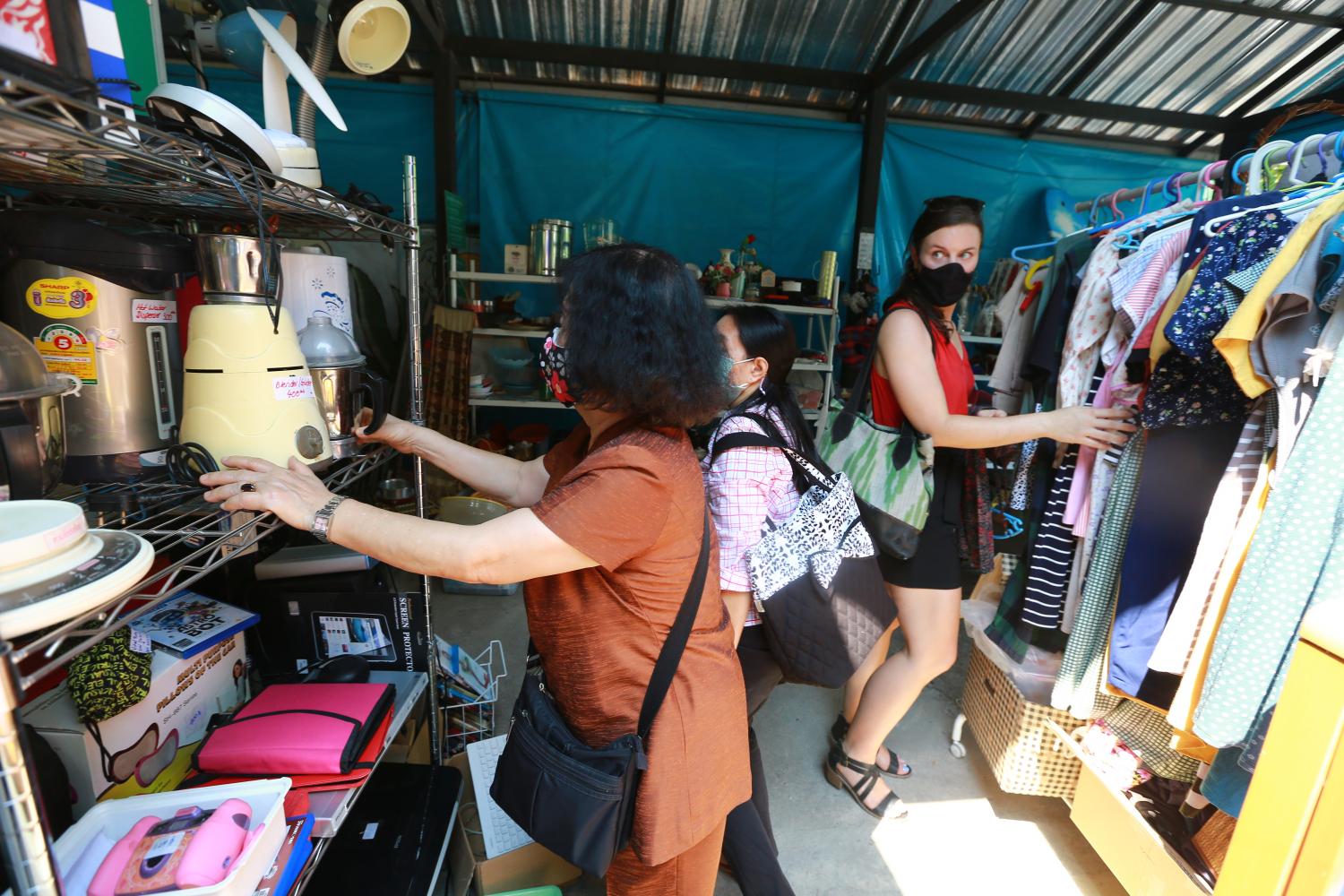
9. Buy second-hand goods. Expats move in and out, shipping furniture and kitchenware across the globe, and buying what we didn't bring -- and many middle-class Thais have a similar lifestyle. Much better for the local economy and the climate is to join one of those Facebook groups for second-hand stuff, like Moving Out, to find what you need "preloved". Along with the climate gain, you will most likely reduce your costs and find more original things for your home.
8. Share a ride. Yes, taxis are really cheap in Bangkok (not true for all parts of the country) and taxi drivers have to eat too. But every time you take a taxi it means added emissions caused directly by you. The Skytrain, metro and buses, on the other hand, run anyway with next to no added emissions when you board them as a passenger.
7. Green the balcony or garden. Plants are like lungs for the climate, which is why we should all embrace Bangkok's 2030 plan to increase the number of trees and green areas. But we don't have to wait for the authorities, we all have a garden, a balcony or at least a windowpane where we can have plants. Apart from the climate benefit -- which is in general terms bigger, the bigger the plant -- you get improved air quality and shade. This shade reduces the need to cool your house or apartment, lowering your electricity bill and impact on the climate.
6. Go veggie or vegan. We just had the world-famous Vegetarian Festival showing us the incredible variety of food that can be prepared meat-free. This is also shown by the many great vegan restaurants of Bangkok, and indeed many Thai dishes are traditionally free from meat. Go for it, replace the meat, and do good for the climate and most likely for your health too.
5. Buy local. Noodles and spaghetti aren't that different right? Except that one is made locally and the other (if it's true pasta) has travelled halfway around the world to get here. Most of your cravings can be had from local suppliers. For expats like myself it has the added benefit of discovering what I would otherwise lose out on, like Thai wines. For everyone, buying local also usually means buying cheaper -- and of course creating jobs here rather than at a spaghetti factory in Europe.
4. Eat out. Yes, eating at these great restaurants Thailand has is green, compared to ordering it home, delivered by motorbike in plastic containers that quickly add up to huge piles. And you know what? When you choose a rooftop restaurant, the climate impact is lower than if you sit inside – nature does the cooling.
3. Turn down the heat. Many homes have several water heaters, keeping the water hot at unnecessary costs for your budget and the climate. Switch them off whenever you don't need hot water for more than a few hours, and both the electricity bill and your climate impact will go down without you noticing any downside.
2. Don't cool it so much. In your home, the air conditioner is likely the main consumer of electricity, and in Thailand most of the kilowatt-hours you get are from fossil fuels, so reducing the usage really makes a difference. Turn it off completely in rooms you don't use (it will cool in minutes once you need it), settle for 25-27 C rather than 18-20 C (wear short sleeves) and replace air conditioning with a fan if you can -- ceiling fans are forgotten climate heroes.
1. Avoid flying. Of course, we all want to go to those beautiful beaches and islands and many of us are right now planning our vacations for New Year's. But considering that our carbon emissions are causing the rising sea levels that threaten beaches and the warming that kills coral, you want to go there sustainably, right? And in Thailand you can; swap flying for the train. The railway network is extensive, cheap and comfortable and many of the destinations you can reach while sleeping on the night train. Travelling by daytime, whether you are a newcomer to the country like me, or have lived here all your life, there are always beautiful things to admire from the train window.
This is about what you can do as a person. In addition to this, we can make an impact in our work; in the deals we make, the organisations we support, the strategies and purchases of our organisations, big or small, for profit or not. In every part of our daily lives, we can make the changes we want to see happen.
Mattias Goldmann is Chief Sustainability Officer for Europe's largest technical consultancy company Sweco and CEO of the green and liberal think tank Fores. He is CEO of climate consultancy company Goldmann Green. Since August he has resided in Bangkok.











