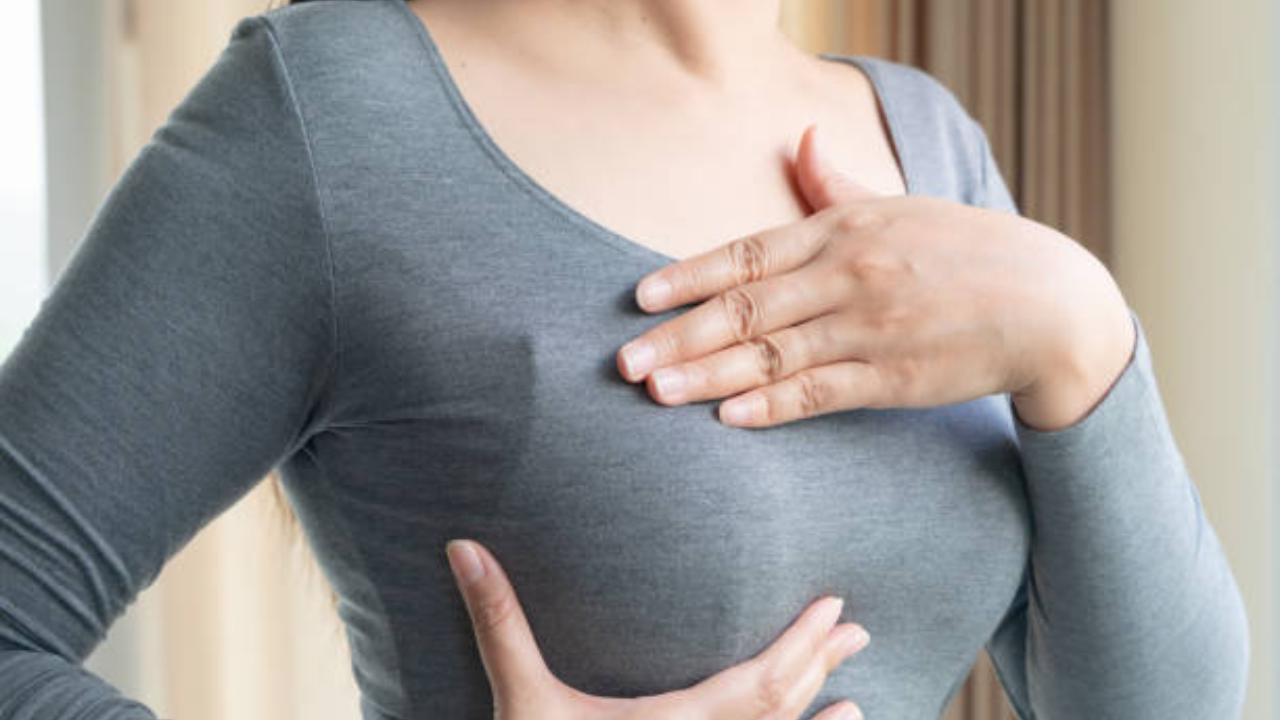
A new study published in Nature Medicine has once again drawn attention to a life threatening disease. It is being estimated that cancer, which currently claims millions of lives every year, can increase more intensely in the next few years.
By 2050, new cases of breast cancer and related deaths will have increased globally by 38 per cent and 68 per cent, respectively, disproportionately affecting countries with low human development index (HDI), the study has found. Researchers, including those from the International Agency for Research on Cancer -- WHO's cancer agency -- estimated current and projected burden, along with trends in breast cancer incidence and deaths over the past 10 years, in nearly 50 countries, using the GLOBOCAN database.
Breast cancer is the most commonly diagnosed cancer and the leading cause of cancer-related death in women. The authors found that there were 23 lakh new cases and 6.7 lakh deaths from breast cancer in 2022, globally.
Identifying the early signs is the key to getting early medical help
Early identification of the signs and symptoms of breast cancer can help get medical help at the onset of the disease which can control the spread of the disease.
The common signs of breast cancer are:
a lump or thickening in the breast or skin under the arma clear or bloody discharge from the nipplecrusting or scaling of the nipplean inverted nippleredness or swelling of the breastdimpling on the breast skin resembling the texture of an orange's skinsubtle changes in the position of the breast, such as one being higher than the othera sore or ulcer on the breast that does not heal.(Source: health.harvard.edu)
Breast cancer has four stages: starting from zero till four. In the zero stage, cancer has not spread to nearby tissue, in the first stage, cancer has spread to surrounding breast tissue but is localized, in the second stage cancer is in a limited breast region including lymph nodes, in the third stage the cancer has spread to more areas in the breast and in the advanced stage the cancer has metastasized and has spread to other organs.
Factors that increase the risk of breast cancer
Women are at a significantly higher risk of developing breast cancer than men. The risk also increases with age, particularly after 50. Postmenopausal women have a higher chance of developing breast cancer due to hormonal changes that occur with aging. Women who have never given birth or had their first pregnancy after 30 have a slightly higher risk of breast cancer. On the other hand, breastfeeding has been shown to reduce the risk, as it lowers estrogen exposure and promotes healthier breast tissue changes.
A family history of breast cancer, especially in close relatives like a mother, sister, or daughter, can increase the risk. Certain inherited genetic mutations, such as BRCA1 and BRCA2, significantly raise the likelihood of developing breast cancer. Genetic testing can help individuals with a strong family history assess their risk.
Frequent exposure to high levels of radiation, such as radiation therapy to the chest area, can increase breast cancer risk. Environmental pollutants, including pesticides and chemicals found in plastics, may also play a role in hormonal imbalances, further contributing to cancer development.
Unhealthy lifestyle habits contribute significantly to breast cancer risk. A diet high in processed foods, unhealthy fats, and sugar can lead to obesity, which is a known risk factor. Lack of physical activity further increases the chances, as regular exercise helps regulate hormones and maintain a healthy weight. Excessive alcohol consumption is linked to higher estrogen levels and increased risk of breast cancer.
Is there a way to reduce the risk of breast cancer?
"Risk factors for breast cancer are both preventable and non-preventable. The non-preventable risk factors are genetic and hereditary, e.g., family history of breast cancer or inherited gene defects. Preventable risk factors, however, are those lifestyle and reproductive factors that are modifiable and can be decreased to lower the risk of breast cancer," explains Dr. Sunny Garg, Clinical Director- Medical Oncology, Marengo Asia Hospitals Gurugram.
He mentions that some key avoidable risk factors are early menarche, late menopause, late marriage, and being childless or delaying giving birth. "They predispose individuals to increased lifetime exposure to estrogen and thus elevated risks of breast cancer. Protective breastfeeding decreases the exposure to estrogen during a woman's lifetime and is therefore advocated," he explains.
Dr. Garg stresses upon the safe use of oral contraceptive pills. "Use of oral contraceptive pills, particularly over prolonged periods, has also been linked with increased risk of breast cancer. Females taking OCPs are advised to consult their doctor in order to evaluate their personal risk and consider other methods of contraception if needed," he says.
"Aside from these reproductive considerations, lifestyle changes like keeping one's weight healthy, exercising regularly, restricting alcohol intake, and not using tobacco can also serve to reduce the risk. Breast screenings, self-examinations, and mammograms are all important for detection at an early stage," he concludes.
“Breast cancer is a significant global health issue, but there are a number of preventive strategies that can go a long way in preventing this condition. Although some risk factors, including genetics and age, are unavoidable but lifestyle changes and screening tests can be very important for prevention,” explains Dr. Rohan Khandelwal, Lead Consultant & Head of the Breast Centre, CK Birla Hospital Gurugram.
“Healthy weight is also one of the best ways to reduce breast cancer risk. Weight gain, especially after menopause, boosts the levels of estrogen, which is a fuel source for hormone-dependent breast cancer growth. Eating healthy food that include vegetables, fruits, whole grain foods, and lean proteins with minimal intake of processed foods and alcohol can effectively control weight as well as the overall health condition,” he explains.
He stresses on restricting alcohol use, as drinking has been associated with a higher risk of breast cancer. “Regular exercise is yet another preventative measure. Research shows that doing 150 minutes per week of at least moderate or 75 minutes per week of vigorous exercise has been shown to lower the risk of breast cancer. Exercise affects hormones, maintains immune function, and keeps your body at healthy weight,” he explains.