Federal regulators have recalled about 1.5 million rechargeable hand warmers after the manufacturer received 1,480 reports of the devices overheating, a tally that includes 15 fires, 350 burn injuries and the death of an 83-year-old man in San Diego.
The Consumer Product Safety Commission announced the recall of OCOOPA-branded rechargeable lithium-ion hand warmers, imported by Shenzhen Street Cat Technology Co. and sold as OCOOPA Direct. The death occurred in February 2026. CPSC has not released further details about the circumstances.
Three hundred fifty burn injuries are an unusually large figure for a single consumer product action. For comparison, most CPSC recalls involving lithium-ion devices are announced after a handful of incidents. This one follows years of accumulating reports on a product that remained on sale until this past May.
How to Identify the Recalled Product
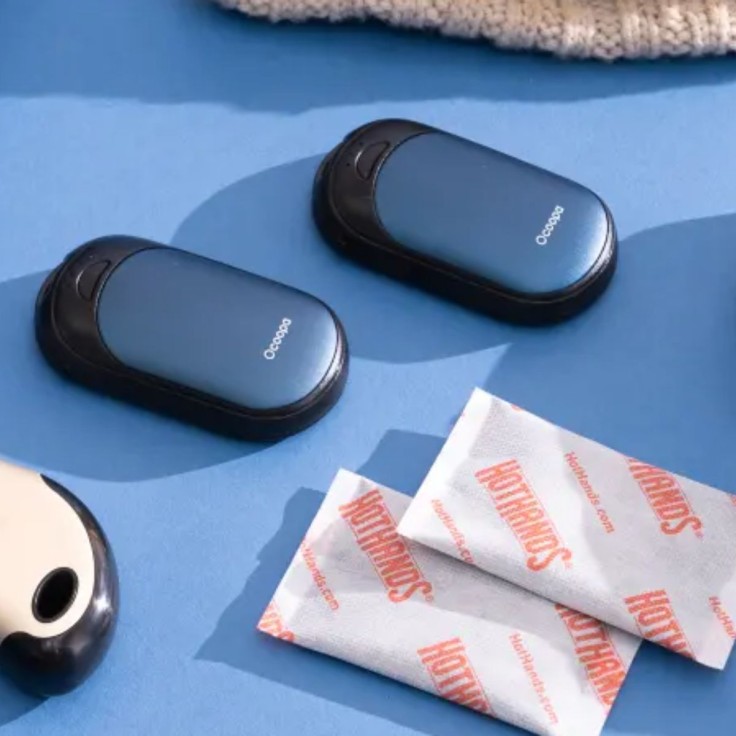
The recall covers seven model numbers: UT3053, UT3056, ZLS-118, ZLS-118S, ZLS-118D, H01 and H01(PD).
The devices are dual-sided, sold in packs of two warmers that can be magnetically joined. Each has a hard plastic shell with LED indicator lights, a USB-C charging port, and a silicone lanyard. The word OCOOPA is printed on the top of the hand warmer. They were sold in a range of colors and designs.
They were sold online at Amazon.com, Walmart.com, Ocoopa.com and Ocoopa.net from September 2018 through May 2026, priced between $15 and $60.
That sales window is worth noticing. These were sold for nearly eight years, which means many households have one in a coat pocket, a ski bag, a glove box or a drawer from a previous winter. Because hand warmers are seasonal, a recall issued at the end of July will reach many owners months before they next think about the product. Checking now is the point.
What Owners Should Do, Including the Disposal Step Most People Get Wrong
Stop using the device immediately and stop charging it. Do not wait until winter.
To get a refund, contact OCOOPA Direct at ocooparecalls@ocoopa.cc or through the company's recall page. The remedy is a full refund, available either as an OCOOPA gift card or in the original form of payment. Consumers will be asked to write the word RECALLED on the hand warmer in permanent marker and submit a photograph showing that marking along with the model number and the three-digit batch code.
Disposal is where this recall differs from an ordinary one, and it is the step most likely to cause a second incident.
These devices contain lithium-ion batteries. CPSC advises that they must not go into household trash, curbside recycling, or the used-battery drop-off boxes found at many retail stores. Damaged or defective lithium-ion cells can ignite when crushed in a garbage truck or a sorting facility, and battery fires at waste facilities are a documented and growing problem. Owners should contact their local household hazardous waste collection program for instructions specific to their state and municipality. Most counties operate a collection site or scheduled drop-off events.
Until disposal, store the device away from anything flammable, away from bedrooms and exits, and not on a charger. If a lithium battery device begins swelling, hissing, smoking or emitting an unusual odor, move away from it and call the fire department rather than attempting to carry it outside.
Why Lithium-Ion Hand Warmers Fail This Way
The failure mode is thermal runaway. A lithium-ion cell that has an internal defect, has been physically damaged, or has been charged improperly can begin generating heat faster than it can dissipate it. Above a certain point the reaction becomes self-sustaining: heat drives further chemical breakdown, which produces more heat. The cell can vent flammable gas, reach several hundred degrees, and ignite.
Hand warmers concentrate several risk factors. The product's entire purpose is to generate heat against skin, so a user has limited ability to distinguish normal warmth from a device beginning to fail. They are held in a hand or kept in a pocket, meaning a failure occurs in direct contact with the body, which is why the burn count is so high relative to the fire count. They are frequently stored in enclosed spaces such as bags and glove compartments where heat accumulates. And they are often carried by people wearing thick winter clothing, which delays the sensation that something is wrong.
The people facing the greatest risk of serious injury are those least able to react quickly. That includes older adults, people with reduced sensation in the hands from diabetic neuropathy or Raynaud's phenomenon, and people with limited mobility who cannot rapidly remove a device from a pocket. Reduced sensation is a particular concern because the population most likely to buy a hand warmer for cold hands overlaps substantially with the population least able to feel one overheating.
Anyone who sustains a burn from one of these devices should treat it as they would any burn: cool the area under cool running water for 20 minutes, do not apply ice or ointments, and seek medical care for blistering, burns larger than the palm of a hand, or burns on the hands, face or joints. Chemical exposure from a vented battery warrants medical evaluation.
Federal law prohibits selling or reselling a recalled product, which includes listing it on resale platforms or passing it along secondhand. CPSC asks consumers who experience an incident with a product to report it through SaferProducts.gov, which is how incident patterns like this one are identified. MedicalDaily will report any expansion of this recall or additional CPSC action involving similar devices.
Frequently Asked Questions
Which products are recalled? OCOOPA-branded rechargeable lithium-ion hand warmers in models UT3053, UT3056, ZLS-118, ZLS-118S, ZLS-118D, H01 and H01(PD), sold in packs of two magnetically joining warmers.
Where and when were they sold? Online at Amazon.com, Walmart.com, Ocoopa.com and Ocoopa.net from September 2018 through May 2026, priced between $15 and $60.
How many people were hurt? The manufacturer received 1,480 reports of overheating, resulting in 15 fires and 350 burn injuries, including the death of an 83-year-old consumer in San Diego in February 2026.
How do I get a refund? Contact OCOOPA Direct at ocooparecalls@ocoopa.cc. You will be asked to write RECALLED on the device in permanent marker and submit a photo showing that, the model number and the three-digit batch code.
Can I throw it in the trash? No. Lithium-ion batteries must not go in household trash, curbside recycling or retail battery drop-off boxes. Contact your local household hazardous waste program for disposal instructions.
What are the warning signs of a failing battery? Swelling, hissing, smoking, unusual odor or heat that continues rising after the device is switched off. Move away from it and call the fire department rather than carrying it.
Who faces the highest risk of injury? People with reduced hand sensation from conditions such as diabetic neuropathy or Raynaud's phenomenon, older adults, and anyone with limited mobility who cannot quickly remove an overheating device.