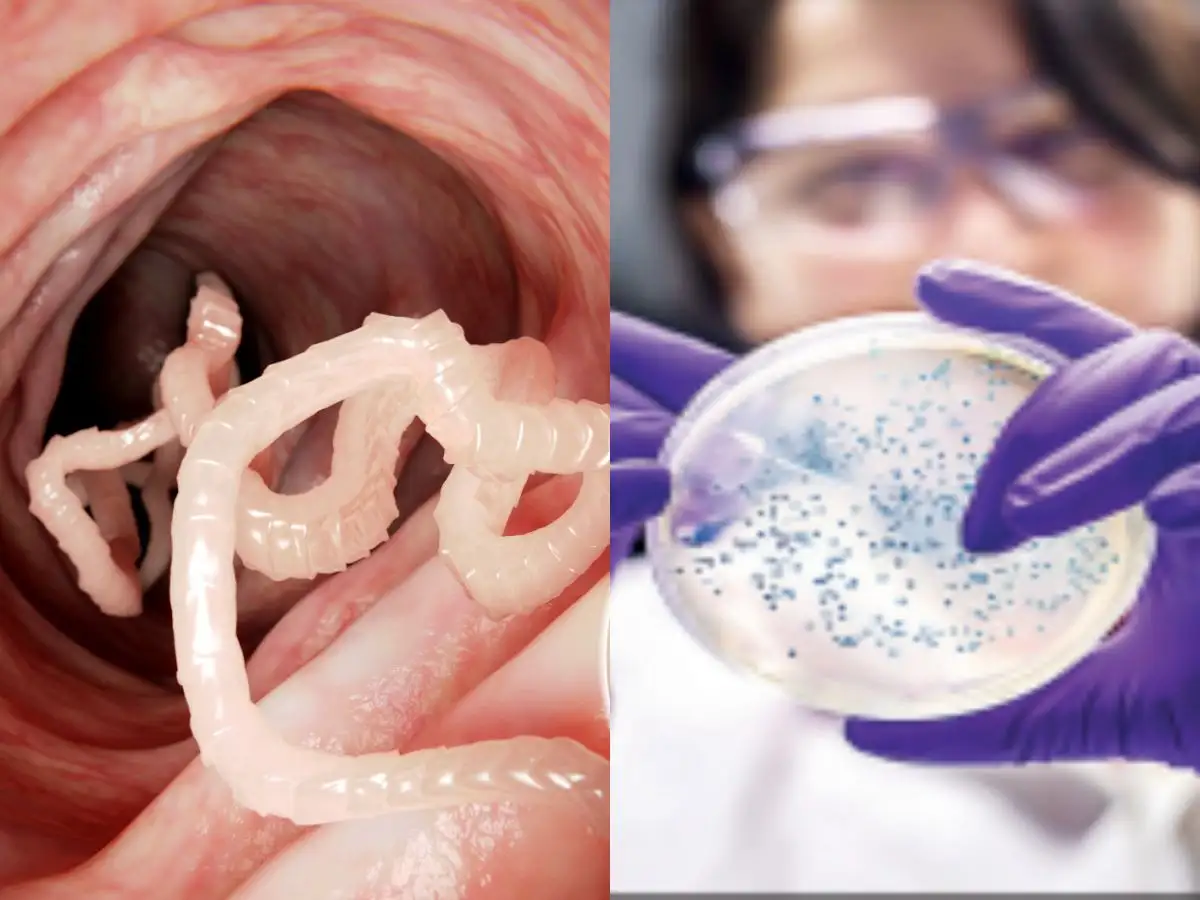
Michigan is witnessing its largest-ever outbreak of Cyclospora, a microscopic parasite that causes severe diarrhea, with nearly 1,000 people infected. The outbreak is also among the biggest reported in the United States in recent years, raising concerns among health authorities as investigators continue searching for the source of the infections.
Although no deaths have been reported, the Michigan Department of Health first alerted the public after more than 170 cases were detected in the state's southeastern region since June 22. The number has since surged.
The outbreak has also spread to neighboring Ohio. According to the Associated Press, Lucas County has reported 306 cases, while northwestern Ohio has recorded more than 500 infections.
Source of Michigan Cyclospora outbreak still unknown
Health officials have not yet identified the contaminated food or water responsible for the outbreak.
"There is clearly a linked outbreak happening right now," Michigan Chief Medical Executive Dr. Natasha Bagdasarian told The Associated Press.
Experts believe the real number of infections could be significantly higher because routine food poisoning tests often fail to detect Cyclospora. Investigators also face another challenge—the parasite cannot be cultured in laboratories, making it difficult to trace contaminated food products.
What is Cyclospora?
Cyclospora is a microscopic parasite that infects the small intestine and causes an illness known as cyclosporiasis or cyclospora infection. Outbreaks are more common during the warmer spring and summer months.
The parasite spreads through food or water contaminated with human feces. Previous outbreaks in the US have been linked to contaminated fresh produce, including leafy greens, herbs and fruits irrigated with polluted water.
Cyclospora symptoms
According to doctors, Cyclospora primarily affects the digestive system. It causes diarrhoea, stomach cramps, and nausea. Patients can feel tired and weak.
Common symptoms include:
Persistent diarrhea
Stomach cramps
Nausea
Fatigue and weakness
Loss of appetite
Bloating
If left untreated, symptoms can last for several weeks or even recur after improving.
Foods linked to Cyclospora outbreaks
Past outbreaks in the United States have been associated with fresh produce consumed raw, including:
Cilantro
Basil
Raspberries
Snow peas
Bagged salad mixes
Because the parasite can cling to produce, simply rinsing fruits and vegetables may not completely eliminate the risk. The US Food and Drug Administration (FDA) has noted that washing alone may not reliably remove Cyclospora once food is contaminated. While anyone can become infected, children, older adults, pregnant women and individuals with weakened immune systems are at greater risk of developing severe or prolonged illness.
How is Cyclospora treated?
According to the US Centers for Disease Control and Prevention (CDC), Cyclospora infection is usually treated with antibiotics and is rarely life-threatening when diagnosed early.
People experiencing prolonged diarrhea should consult a healthcare provider and discuss the possibility of Cyclospora infection, especially if they have recently consumed fresh produce or travelled to areas reporting outbreaks.
How to prevent Cyclospora infection
According to doctors, basic food and water hygiene practices to reduce the risk of infection.
Health experts recommend:
Wash hands thoroughly before eating or preparing food.
Wash fruits and vegetables before consumption, although this may not completely remove the parasite.
Drink safe, clean water.
Avoid eating raw food from unhygienic places.
Be extra cautious during the monsoon and warmer months when infections are more common.