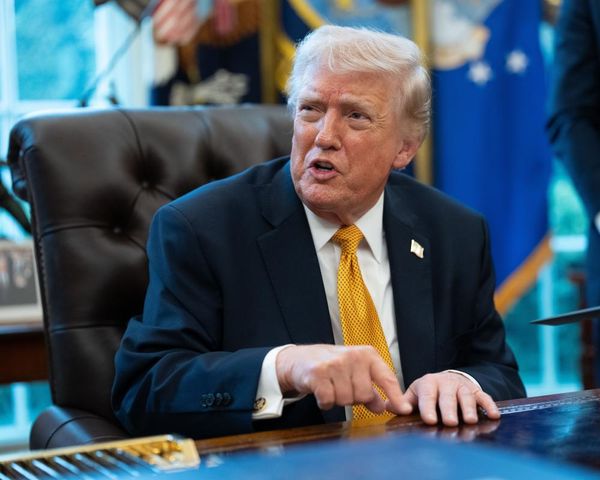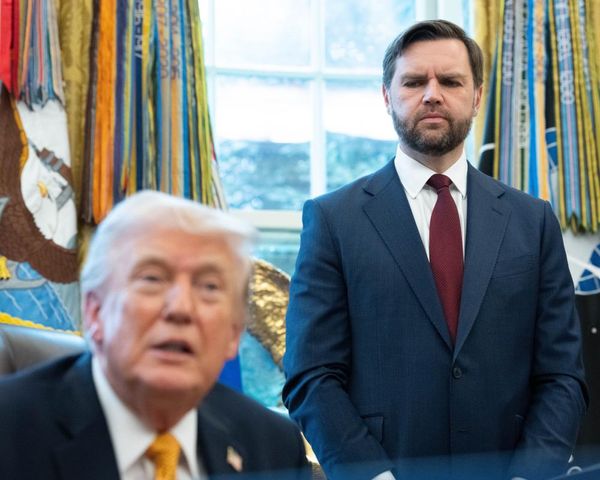
The eyes of the world will be on the US this Tuesday night, as the 2020 presidential election reaches its climax.
It's been a campaign like no other, with Donald Trump and Joe Biden facing off in what many have billed a battle for the soul of the country.
And with just days remaining, things are agonisingly tight – so the stage is set for a gripping election night.
In Ireland, eagle-eyed political aficionados will be pulling all-nighters to watch the results as they come in.
But due to a massive increase in the number of mail-in ballots, we might not actually get a result on election night.
Here's all you need to know about following the action – from Ireland – as it unfolds.
When are we likely to know the result?
The answer to this, sadly, is that we just don't know when the result will become clear.
Election officials have warned US voters they should be prepared to wait longer than normal to find out the results.
The whole affair is unbelievably contentious – and it's also unprecedented, with a surge in postal ballots muddying the waters.
It could be days (or even weeks) before we have a clear idea, and even then there are likely to be legal disputes between the two sides that could postpone certainty for voters.
But there are trends that will offer indications on the night about how the election is likely to go.
Postal ballots will confuse matters
The coronavirus pandemic has resulted in a huge increase in the number of mail-in ballots from around the US.
The rules for postal voting vary between states, making it impossible to predict when the next president can officially be named.
Early tallies might be misleading
Most commentators are predicting that ballots cast in person are more likely to favour Donald Trump, given the likelihood of his supporters taking to the polls themselves.
Meanwhile, postal votes are more likely to favour Joe Biden.
Some states count in-person ballots first, while in others postal votes cast before November 3 will be reported first.

The result of all of this is that we might not be able to say with certainty who's actually ahead – and it's likely to take time before the picture clears.
The role of key states will be crucial – in a new way
Battleground states – including Pennsylvania, Wisconsin and Michigan – are always pivotal to deciding which way a presidential election will go.
In 2016, wins for Trump in these states cleared a pathway to victory over Hillary Clinton. And Pennsylvania is likely to be crucial this week, with a Biden win – he's narrowly ahead in the polls – likely to prove decisive.
But it's not certain that we'll know the result on election night, or the following morning Irish time.
A candidate might declare victory – but that doesn't mean they've won
Reports have emerged in recent days that suggest President Trump plans to declare victory on Tuesday night if it looks like he's "ahead".
But because of the time-lapse between in-person and postal voting, Trump's lead (if indeed he has one) doesn't mean he's actually won.
So even if Trump (or Biden) declares victory on the night, or on any of the days that follow, that does not mean they've won, and we shouldn't treat it as concrete.