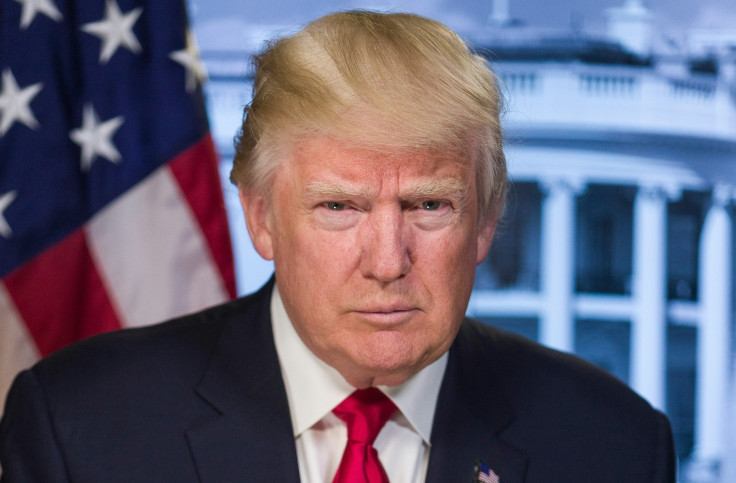
The relationship between the United States and its European allies has reached a critical point this week. The White House has declared that acquiring Greenland is now a 'national security priority.' This announcement has caused alarm across Europe, with leaders from the UK, France, and Germany rallying behind Denmark. The situation escalated after US President Donald Trump mentioned that he is considering a 'range of options' to take control of the vast Arctic island.
For decades, Greenland was seen by many merely as a remote, icy landmass. However, in the geopolitical landscape of 2026, it has become one of the most valuable pieces of territory on Earth. The interest from Washington is not simply about acquiring more land; it is driven by three main factors: rare earth minerals, new shipping routes created by melting ice, and military strategy. The White House has stated that the US military could be used if necessary, a comment that has shaken the foundations of the NATO alliance.
The Treasure Trove of Rare Earth Minerals
One of the primary reasons the US desires Greenland is what lies beneath the ice. The island holds some of the largest undeveloped deposits of rare earth metals in the world. These minerals are essential for modern technology. They are used to make everything from mobile phones and electric car batteries to fighter jets and missile guidance systems.
Currently, China dominates the global market for these minerals. By controlling Greenland, the United States would secure its own supply chain, reducing reliance on Chinese exports. As global tensions rise, having a secure source of these materials is seen as vital for American industry and defence. Reports indicate that Russia and China are also interested in the island, prompting the US to act quickly.
New Shipping Lanes and Global Trade
Climate change is altering the geography of the Arctic. As the polar ice caps melt, new sea routes are opening up. These routes could significantly shorten the travel time for ships moving goods between Asia, Europe, and North America. Whoever controls Greenland will have a major influence over these new trade corridors.
US officials view this as a matter of economic security. Control over these waters would allow the US to monitor and regulate trade in the region. This is similar to how nations have historically competed for control over the Suez Canal or the Panama Canal. The melting ice has turned the Arctic into a new frontier for global commerce, and Washington is determined not to be left behind.
Military Strategy and the NATO Crisis
The US already operates the Thule Air Base (Pituffik) in northern Greenland, which is crucial for missile warning systems and space surveillance. However, full ownership of the island would allow the Pentagon to expand its military presence without needing permission from the Danish government in Copenhagen.
The suggestion of using force to achieve this has caused a diplomatic crisis. NATO is a military alliance where members, including the US and Denmark, agree to protect one another. Danish Prime Minister Mette Frederiksen warned that any US attack would mean the end of NATO. European leaders have issued a joint statement supporting Denmark's sovereignty. They stressed that Greenland belongs to its people and that borders must be respected.
The View from the Island
For the 57,000 people living in Greenland, this geopolitical struggle is personal and frightening. The island has had a high degree of self-rule since 1979, although Denmark still manages its foreign affairs and defence. The local population is largely Inuit.
Many locals are worried about their future. There is a fear that their government could be toppled, similar to the recent US intervention in Venezuela against President Nicolás Maduro. Morgan Angaju, a resident of Ilulissat, expressed the fear many feel, stating it was 'terrifying' to hear world leaders talk about claiming their home. The Prime Minister of Greenland, Jens-Frederik Nielsen, has called for respectful dialogue, insisting that the island is not just a piece of real estate to be bought or seized.
What Happens Next?
US Secretary of State Marco Rubio has suggested that the goal is to buy the island rather than invade it. He has engaged in talks to resolve 'misunderstandings' with Danish officials. However, other US officials maintain that all options remain on the table.
The situation remains tense. While the US argues that a strong American presence in the Arctic is good for Western civilisation, European allies worry that ignoring international law will make the world more dangerous. As the ice melts and the value of Greenland's resources becomes clear, the pressure on this small nation is unlikely to fade away soon.