The United Nations is at risk of becoming ‘completely obsolete’ in the wake of Donald Trump’s seizure of Venezuelan president Nicolás Maduro, legal experts have warned.
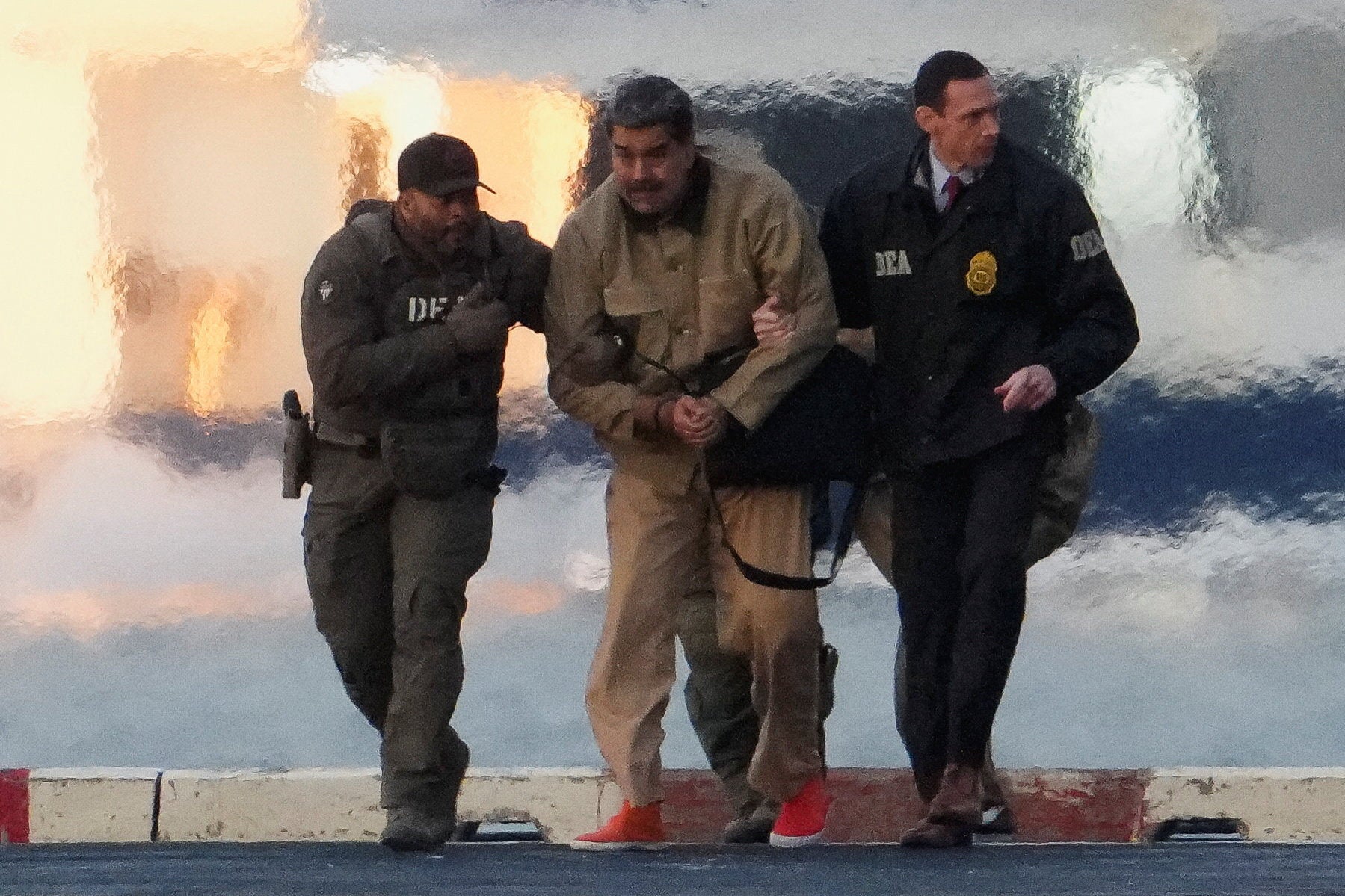
The US president unilaterally ordered a series of strikes on Caracas in the early hours of January 3 before special forces captured Maduro and his wife.
Article 2(4) of the UN Charter prohibits the use of force against the political independence of any state, yet enforcement of this provision has been called into question in the wake of the US special forces attack.
Dr Stuart Wallace, associate professor in law at the University of Leeds, told The Independent: “The UN is in incredible peril of becoming completely obsolete in the near future.” He said the problem was exacerbated by the lack of condemnation of Trump’s flouting of the charter.
“This is symptomatic of the imminent collapse of the international legal order that has prevailed since the end of World War Two. It’s been on life support for some time now, but the US’ recent actions in Venezuela have pulled the plug.”
The Maduro capture is part of a wider geopolitical campaign by the Trump administration, which has made various threats against Colombia, Mexico, Greenland, Iran and Cuba.
The US has also refused to rule out military action in seizing the Danish territory of Greenland and, on January 7, has captured two Venezuela-linked oil tankers, as tensions mount between the US and allied governments.
But between these issues, and ongoing conflicts in Ukraine and Gaza among others, there are fears the UN is increasingly toothless.
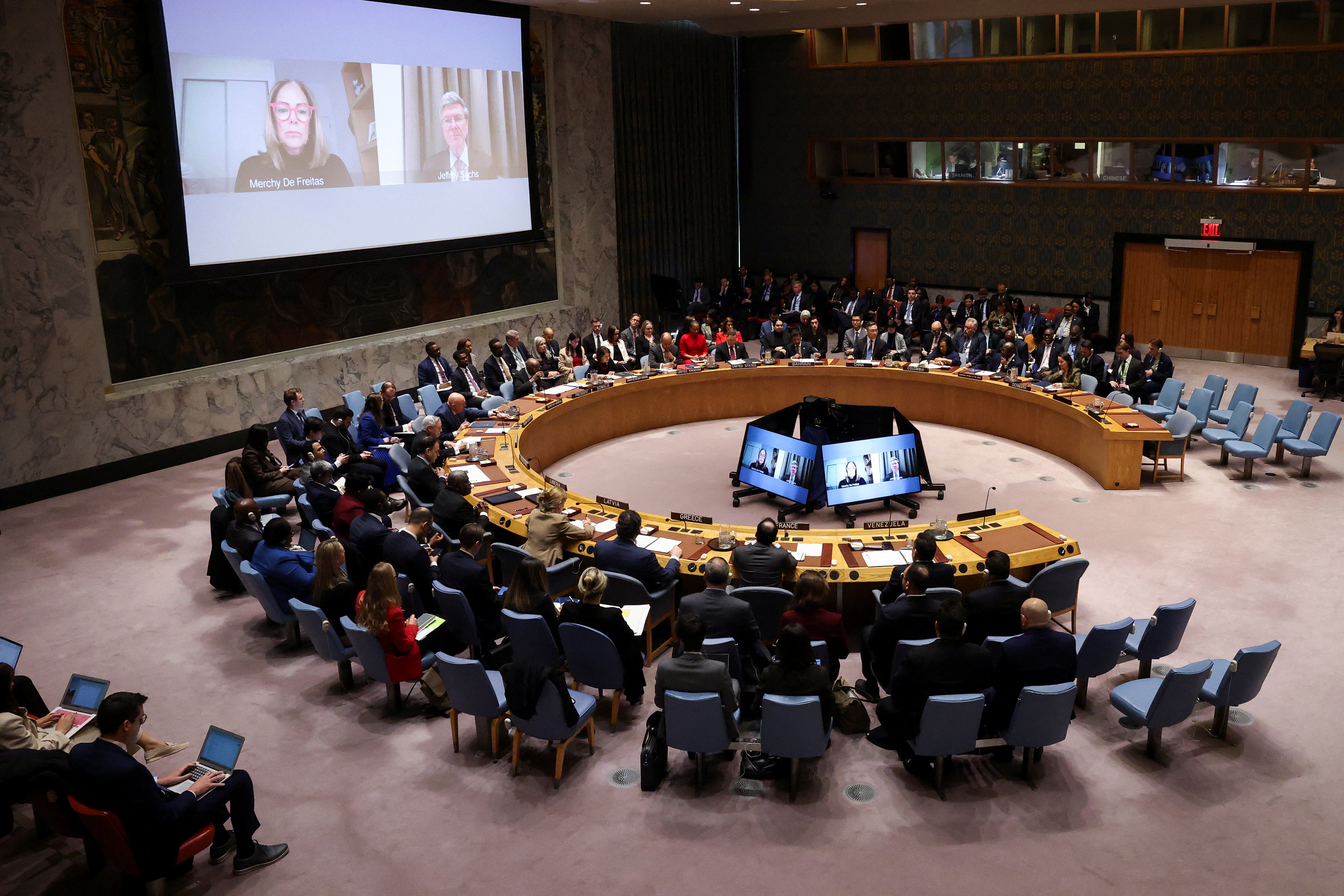
“The council seems to be completely unable to address the most pressing security concerns in the world today - whether that’s in Venezuela, Gaza, or Ukraine,” Dr Wallace said.
“The whole reason that it exists is to maintain international peace and security but, in the context in which it is operating, it is completely incapable of doing so.”
Dr Amrita Mukherjee, associate professor in law at the University of Leeds, was concerned Saturday’s strikes flouted the so-called rules based order between nations.
“[This was] one of the worst possible scenarios in terms of respect for sovereignty, non-intervention, and peaceful relations between states.”
“If we are seeing state intervention, conquest and violation of political processes then we all need to be very, very concerned.
“This may be the first of a programme of expansion and intervention by states, which calls into question the legitimacy of the world order.”
In the wake of Trump’s actions in Venezuela, UN Secretary-General António Guterres called for a continued commitment to the charter.
“I remain deeply concerned that rules of international law have not been respected with regard to the 3 January military action.
“The charter enshrines the prohibition of the threat or use of force against the territorial integrity or political independence of any state.
“The maintenance of international peace and security depends on the continued commitment of all member states to adhere to all the provisions of the charter.”