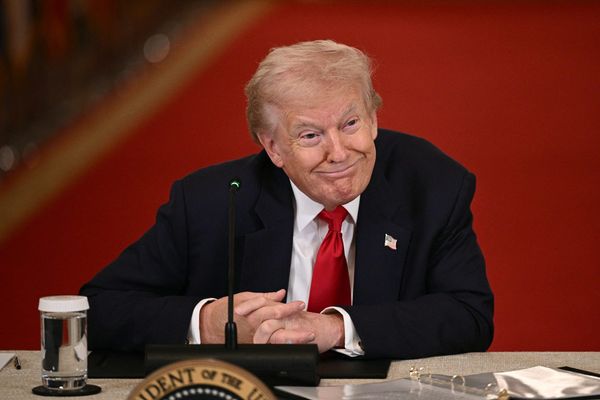
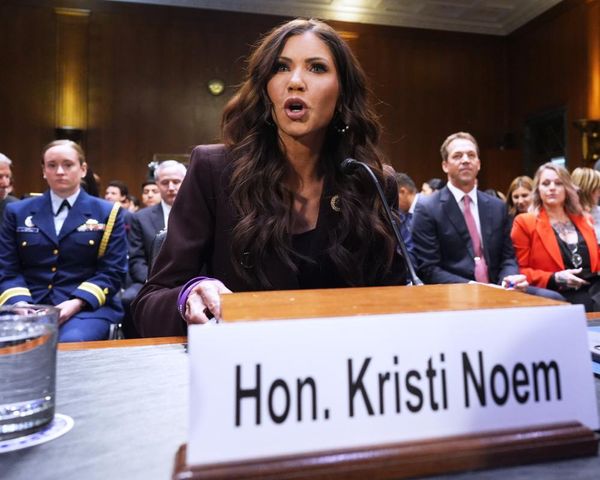
A United Nations-backed panel of independent experts has accused US President Donald Trump and other American political leaders of engaging in racist hate speech, which, alongside a crackdown on immigration, has led to "grave human rights violations" in the United States.
The Committee on the Elimination of Racial Discrimination (CERD), based in Geneva, issued its decision on Wednesday, urging the US to immediately suspend immigration enforcement operations at and near schools, hospitals, and faith-based institutions. While the decision, made under the committee's early warning protocol, is not legally binding, it aims to hold the US accountable to its international commitments.
The committee expressed its "deep disturbance" regarding the use of derogatory and dehumanising language directed at migrants, refugees, and asylum seekers. Members attributed a reported rise in racial discrimination to "racist hate speech" targeting these groups, though they did not cite specific data. Beyond speech, concerns were also raised about politicians and public figures weaponising stereotypes to incite hate crimes and discrimination.
"Portraying them as criminals or as a burden, by politicians and influential public figures at the highest level, particularly the President," the committee stated in a news release, "may incite racial discrimination and hate crimes." While Presidents Joe Biden and Barack Obama were in office during previous UN condemnations of systemic racism, hate, and discrimination, the panel specifically cited Donald Trump's speech as part of the current problem, without singling out Biden or Obama for their rhetoric.
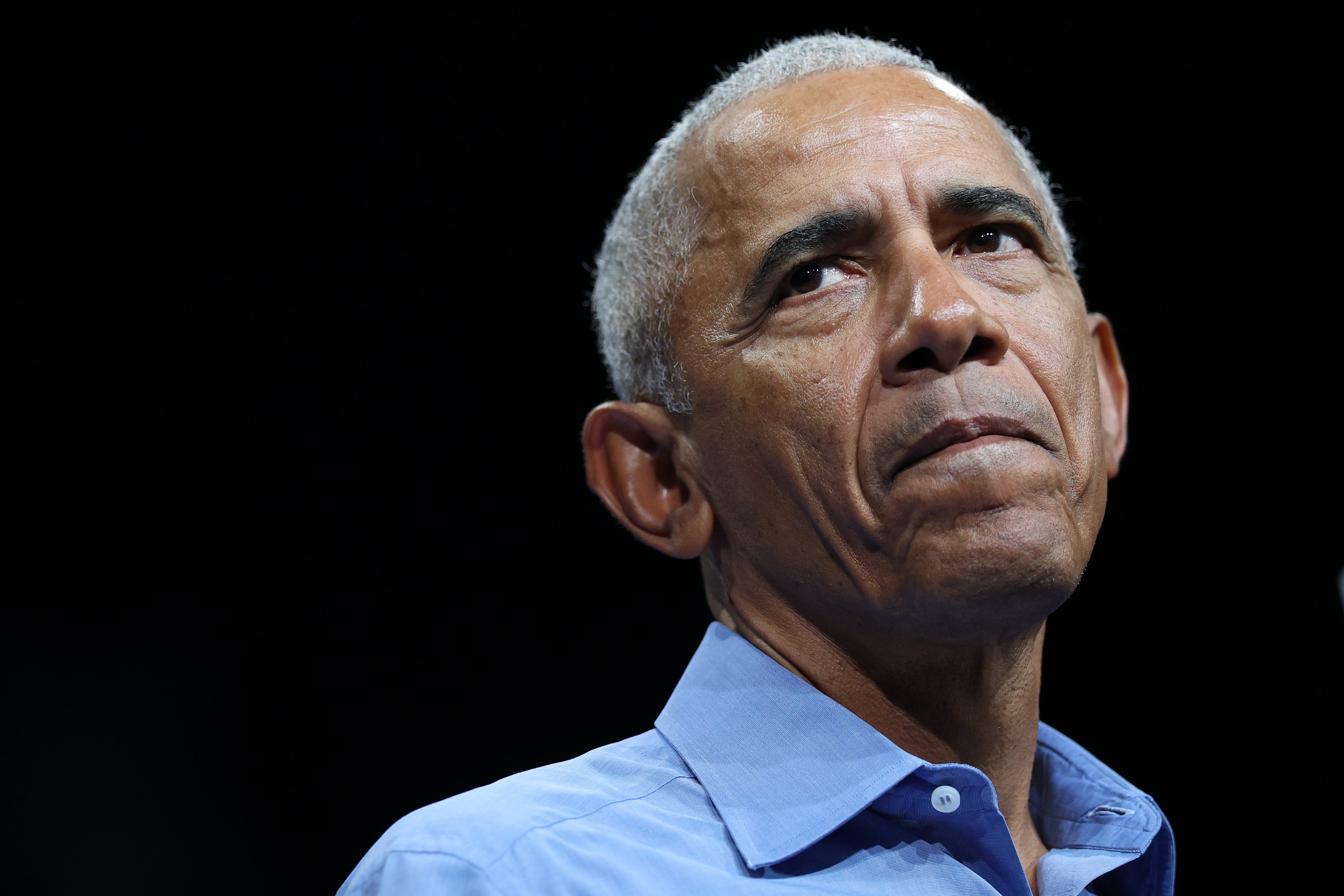
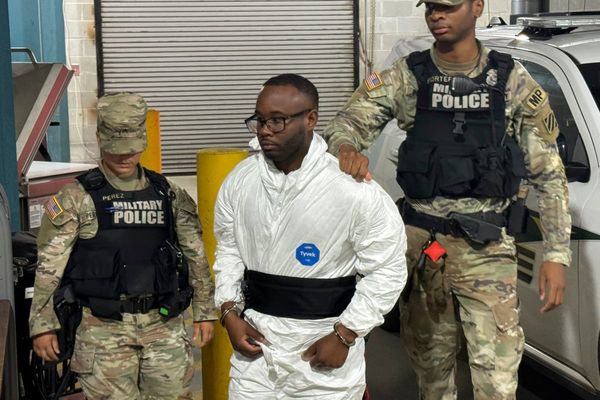
US Immigration and Customs Enforcement (ICE) and US Customs and Border Protection (CBP) were also criticised for racially profiling people of colour and conducting what appeared to be arbitrary identity checks.
In response, White House spokesperson Olivia Wales dismissed the findings, stating: "This United Nations assessment is just as useless as their broken escalator, and their extreme bias continues to prove why no one takes them seriously." She added: "No one cares what the biased United Nations’ so-called ‘experts’ think, because Americans are living in a safer, stronger country than ever before," while highlighting Donald Trump's efforts to reduce crime and secure the US border.
The report alleges that the US is failing to uphold its obligations under the International Convention on the Elimination of All Forms of Racial Discrimination, which the UN adopted in 1965 and the US ratified in 1994. It noted incidents involving "discriminatory, dangerous and violent methods" that have resulted in eight deaths over the past three months, including US citizens Alex Pretti and Renee Good, who died in separate shootings by federal agents during Operation Metro Surge in Minnesota. The panel described the use of lethal force in these cases as tantamount to "arbitrary deprivation of life and other gross violations of international human rights law."
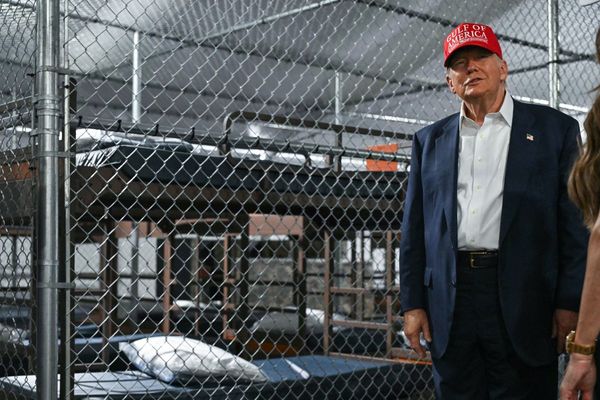
Furthermore, the committee highlighted that detained migrants, refugees, and asylum seekers, despite being entitled to humane and equal treatment free from discrimination under the Convention, have been denied essential services such as healthcare, education, and social support.
The committee has called on the US to review its immigration policies to ensure compliance with international human rights law. This includes suspending enforcement operations around sensitive locations, repealing "discriminatory measures" related to asylum procedures, and implementing safeguards to prevent immigration agencies from accessing personal data in government databases. However, the UN's ability to enforce these proposals remains unclear.

This is not the first instance of the panel criticising the US over racism and discrimination, having done so in 2014 following widespread Black Lives Matter protests and again in 2020 after the murder of George Floyd. In 2020, a separate UN human rights body also heard similar arguments from a special rapporteur on contemporary racism, discrimination, and xenophobia.
Donald Trump's administration made mass deportations a central part of its agenda, initiating a wave of immigration restrictions and heightened enforcement across multiple cities. This crackdown led to a surge in arrests and raised significant concerns among critics regarding the tactics employed in both detention and enforcement, which the administration justified by citing security and economic concerns.
The Committee on the Elimination of Racial Discrimination comprises 18 independent experts from around the world, tasked with monitoring the implementation of the Convention.