Two 11-year-old boys have been pulled out alive from under rubble in Venezuela days after twin earthquakes devastated the country, as the death toll passed 1,400 and hopes of finding more survivors faded.
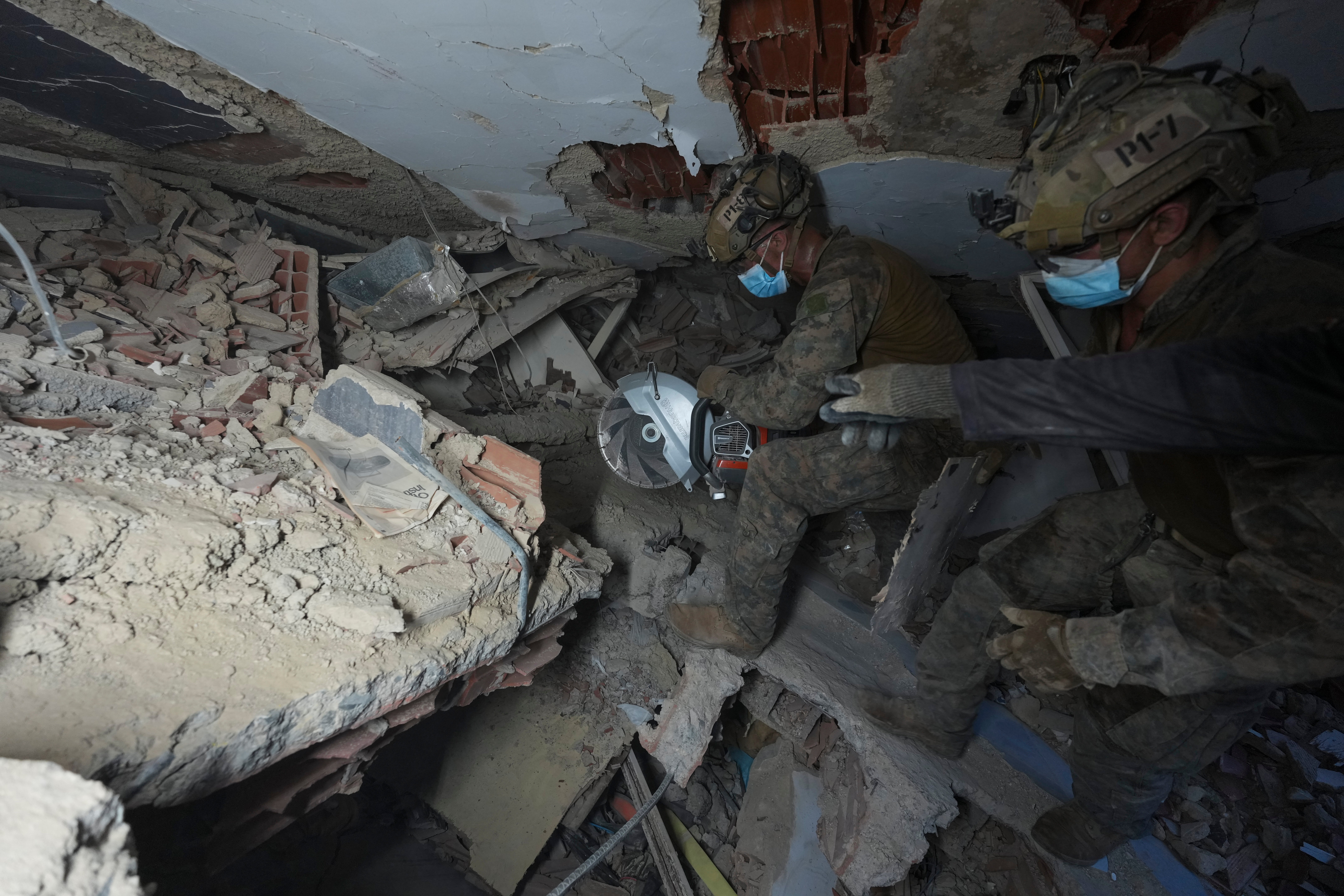
The first boy, named Moises, was pulled from about three metres of debris by Colombia's National Unit for Disaster Risk Management on Sunday.
Video footage showed rescue workers covering his eyes to protect him from sunlight as he was lifted from the ruins. He was found near his sister and mother, both of whom had died, Reuters reported.
Hours later, interim president Delcy Rodriguez posted footage on X showing a second boy being carried on a stretcher down a mountain of debris in the town of Caraballeda.
"In these hours each life is hope for Venezuela," Ms Rodriguez said.
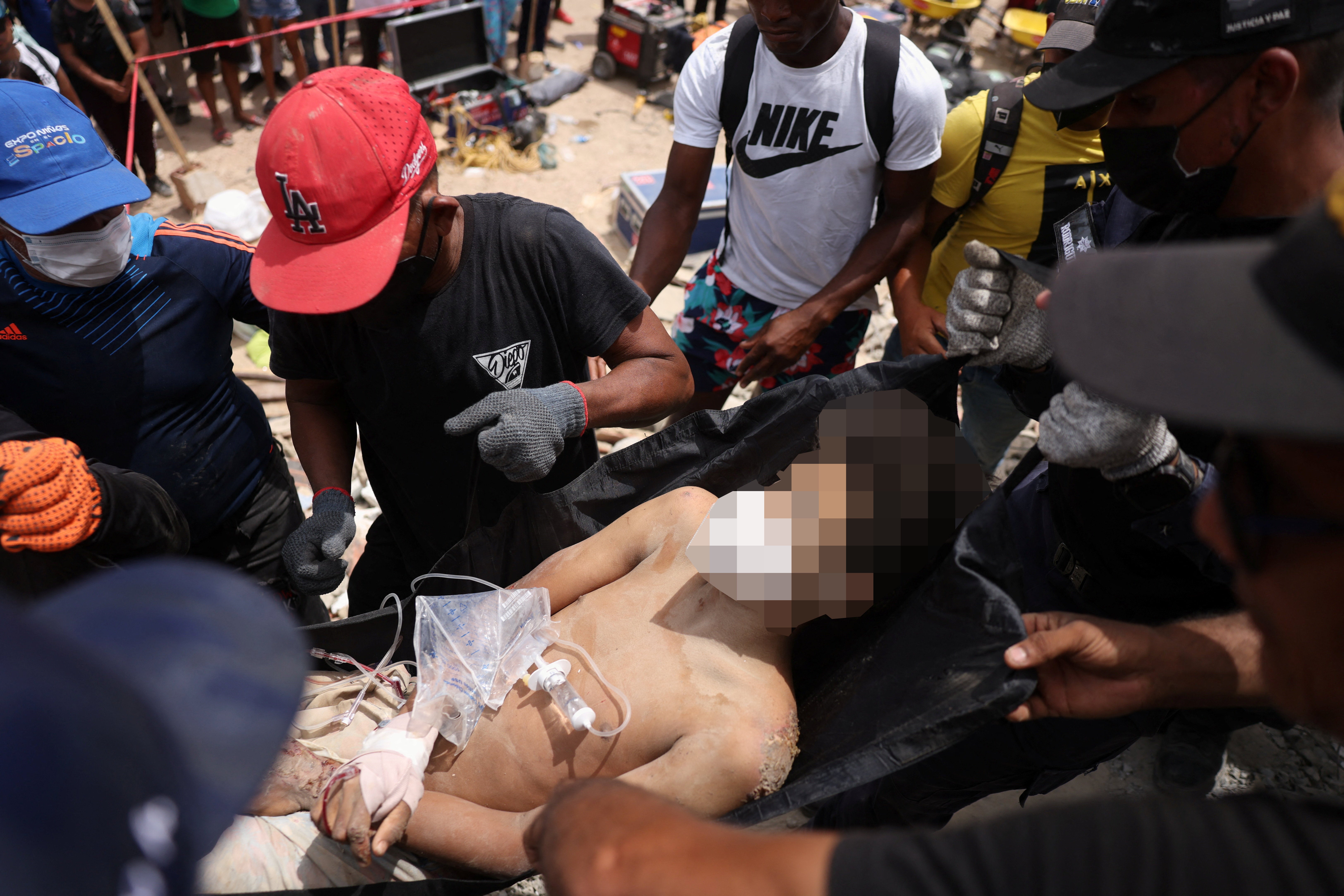
US rescue crews also pulled an infant from the rubble on Saturday, the US State Department said, posting a video on X showing helmet-clad rescuers removing the blanket-wrapped, wailing baby from the debris. On Sunday morning, US and French rescuers pulled a father and son from the ruins, carrying them on a tarp into an ambulance as crowds gathered to watch. The survivors, covered in dust, were hydrated through an IV.
The brave and tireless work of American search and rescue teams continues. Today, @VATF1 saved three more lives from collapsed residential buildings in Venezuela. We couldn't be prouder. pic.twitter.com/2GYE9ia7wG
— Department of State (@StateDept) June 28, 2026
A total of 33 people were pulled from the rubble alive over the weekend, Ms Rodriguez said. But with a civilian-run missing persons site reporting more than 46,000 people unreachable by family members, and the government's own figure running into the hundreds of thousands affected, the scale of the disaster was still becoming clear.
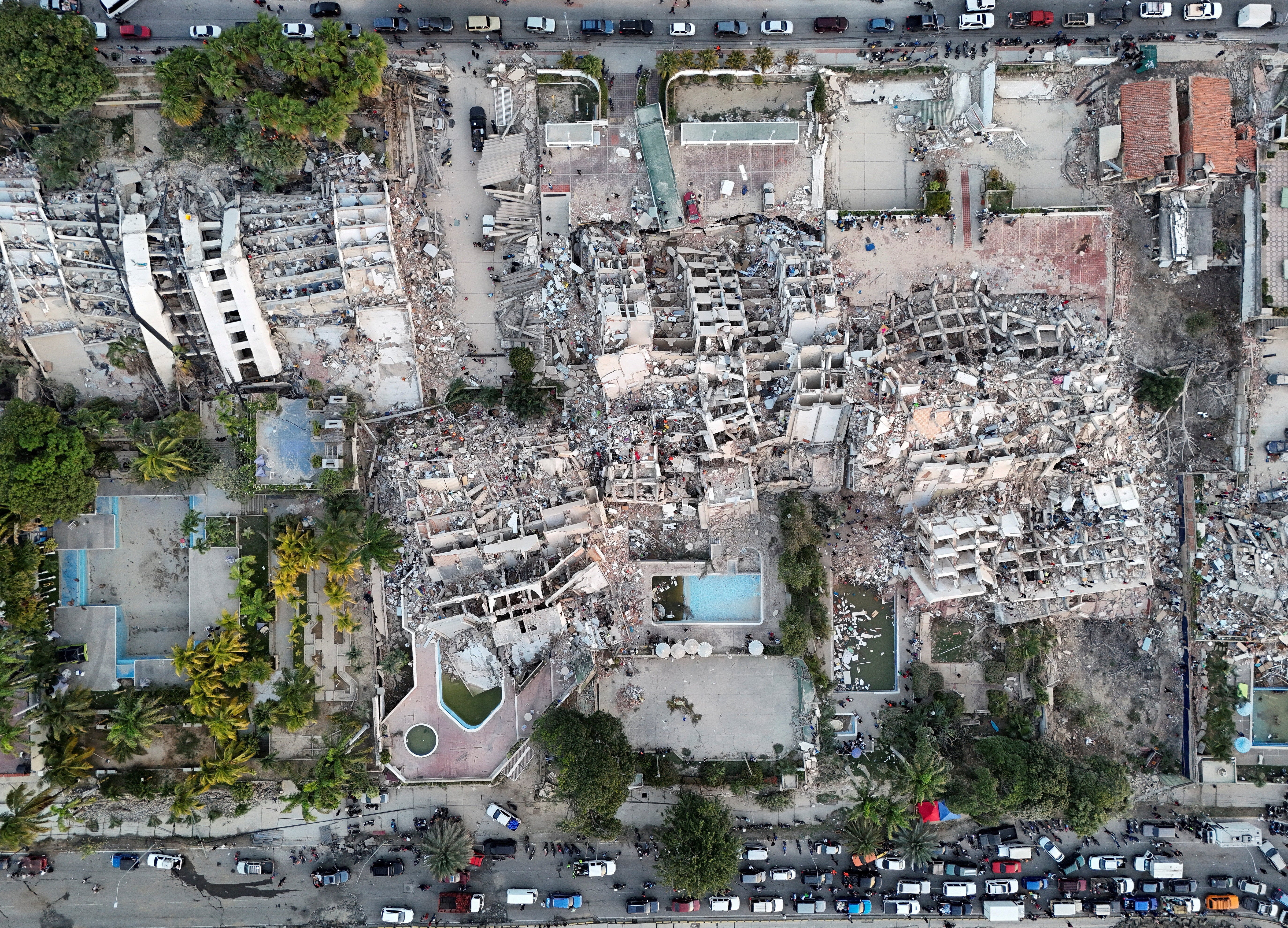
More than 3,000 people were injured, Ms Rodriguez said, with a similar number living in shelters. More than 770 buildings had totally or partially collapsed, twice as many as reported the previous day.
The US Geological Survey estimated the death toll could ultimately exceed 10,000, which would place Wednesday's quakes among Latin America's deadliest of the last century.
Saturday evening marked 72 hours since the twin magnitude 7.2 and 7.5 quakes struck within 39 seconds of each other, collapsing nearly 800 buildings.
"There exists a window of roughly three days, 72 hours, where the probability afterwards decreases that you can save people alive," Sebastian Eugster, leader of the Swiss rescue team, told Reuters on Saturday.
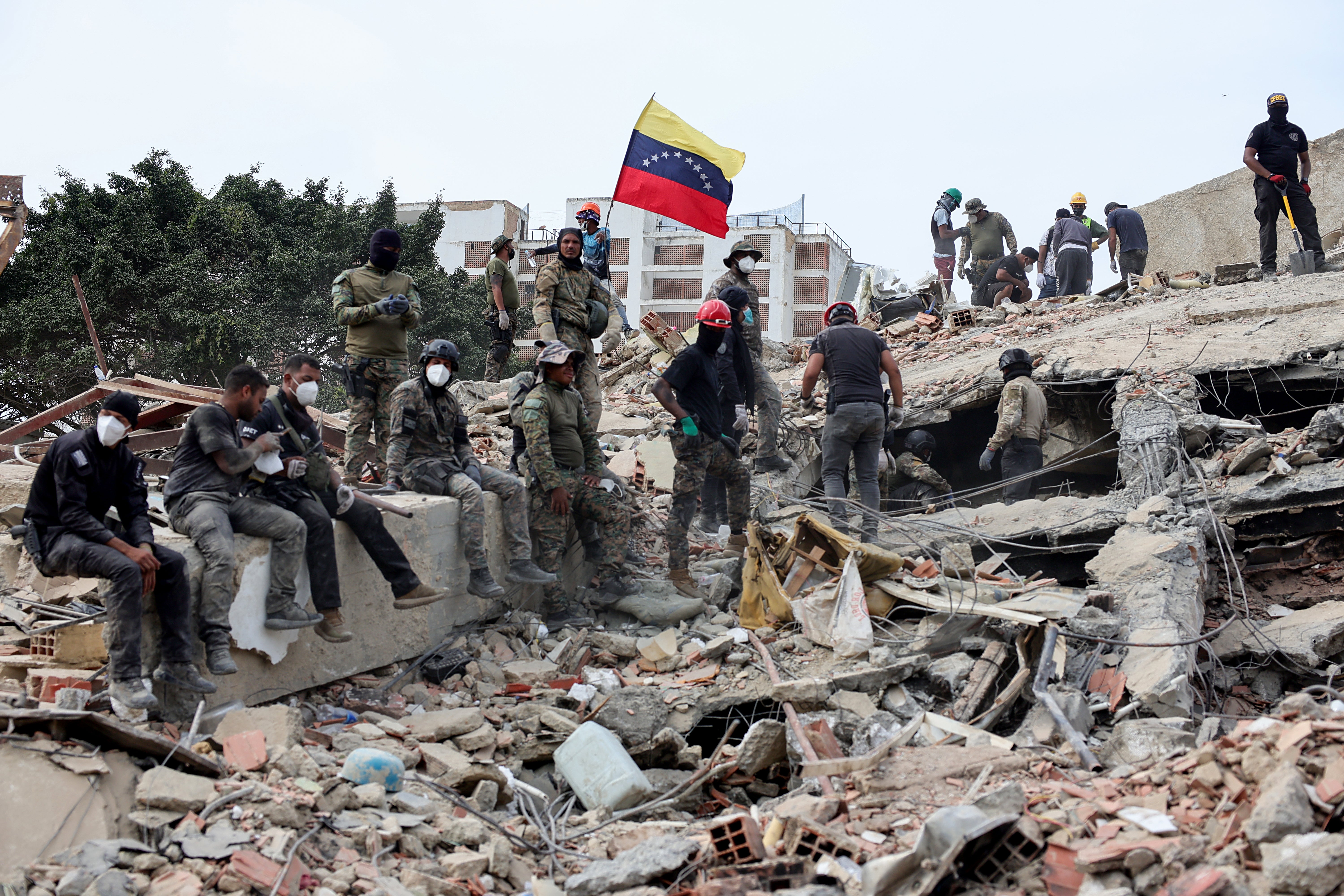
His 80-strong team had found multiple people alive in the rubble with the help of eight search dogs, but had not been able to pull them out in time to save them, he said. Rescuers said people could still be found alive, particularly if they had access to food and water.
Frustration was also growing among survivors over what many described as a slow and uncoordinated government response. Families pleaded for heavy machinery to help dig through the ruins, with many resorting to using their bare hands. A firefighter working in Caraballeda told the BBC there were dozens of buildings yet to be searched.
"There aren't enough hands," he said. "And it is very, very likely that there are still people trapped."
In Catia La Mar in La Guaira state, one of the worst-affected areas, residents told the BBC that civilian volunteers had taken charge of relief efforts in the absence of an effective state response.
One man, Wilber, said he had lost eight relatives, with five still trapped in their homes. He said the government had closed streets and was "making it harder to bring help."
"Yesterday we waited from 6am to 4pm to get a special permission to come here. We wasted hours," he told the BBC.
Aftershocks have continued to terrify residents and hamper rescue efforts. Thousands of people were sleeping in their cars or camping at the airport and other open spaces, afraid to return to buildings that could still collapse.
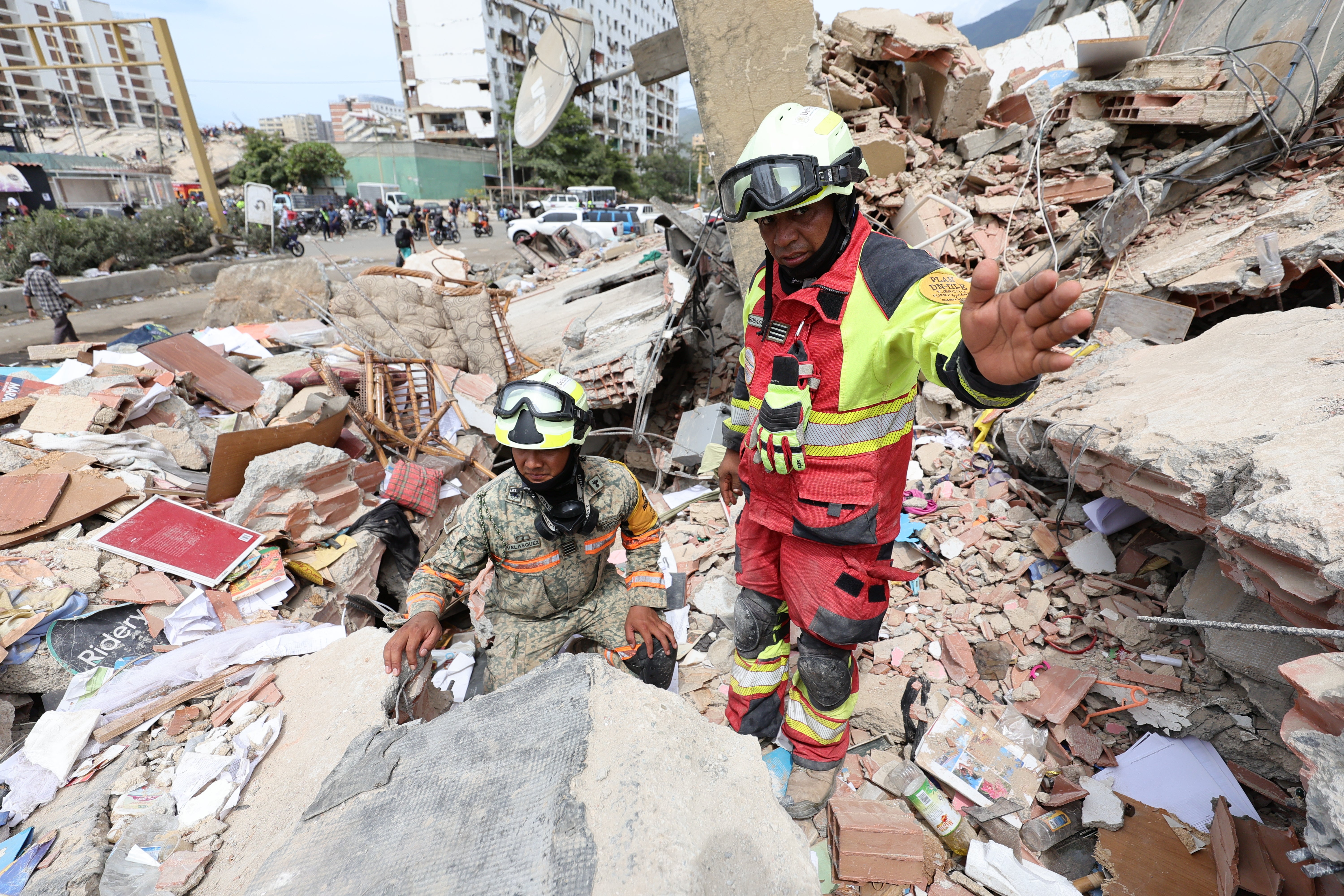
International rescue teams from Mexico, Spain, Qatar, the US and the UK have arrived to reinforce search efforts. The UN's Tom Fletcher said on Saturday that 39 search and rescue teams had been deployed from around the world, each consisting of 50 to 100 people.
"You're looking at almost 2,000 people surging in, 111 dogs, medical teams as well. We go in with these micro drones, they call them cockroach drones, that help us find people in the buildings," he said.
The EU mobilised €5m (£4.3m) in emergency assistance, EU foreign policy chief Kaja Kallas said on X, adding that the bloc's Copernicus satellite system was helping map the damage and direct aid.