Thousands of Cuban migrants deported from the United States under the Trump administration are stranded in southern Mexico, unable to work, access healthcare or return to their families, according to a report by Al Jazeera.
The situation reflects a broader shift in U.S. immigration policy toward Cubans, who for decades were often allowed to remain in the country because Cuba frequently refused deportation flights.
The report centers on several Cuban men living in Palenque, near Mexico's border with Guatemala, after being deported from the U.S. to Mexico instead of Cuba. Among them is Ricardo Scull Delgado, 71, who arrived in the United States during the 1980 Mariel boatlift and spent nearly 46 years there before being detained during a routine immigration check-in and removed to Mexico.
"The cruelty was unbelievable, so inhumane," he told Al Jazeera, recalling being dropped off in Palenque after a three-day bus ride.
According to Human Rights Watch researcher Alcira Silva Hava, more than 4,300 Cubans were deported to Mexico between the start of Trump's second term and March 2026, making them the largest group of third-country deportees.
Her research found that about 27% had no criminal record, while another 16% had pending charges and had not yet appeared in court. Hava argued that many removal orders originally designated Cuba—not Mexico—as the destination and said changing that destination without an opportunity to challenge it represented "a clear violation of due process."
Court filings cited by Al Jazeera indicate the number may be even higher. In March, Trump administration lawyers told a federal court that "approximately 6,000 Cuban nationals" had been removed to Mexico under what they described as a standing but "unwritten" agreement with the Mexican government. Mexico has repeatedly denied such an agreement exists.
The deportations come as U.S. officials warn that Cuba's worsening economic crisis could trigger another large-scale migration wave similar to the 1980 Mariel boatlift. Former CIA Director Robert Gates recently said the island's greatest threat to U.S. national security is not military action but "another Mariel evacuation" driven by economic collapse and shortages.
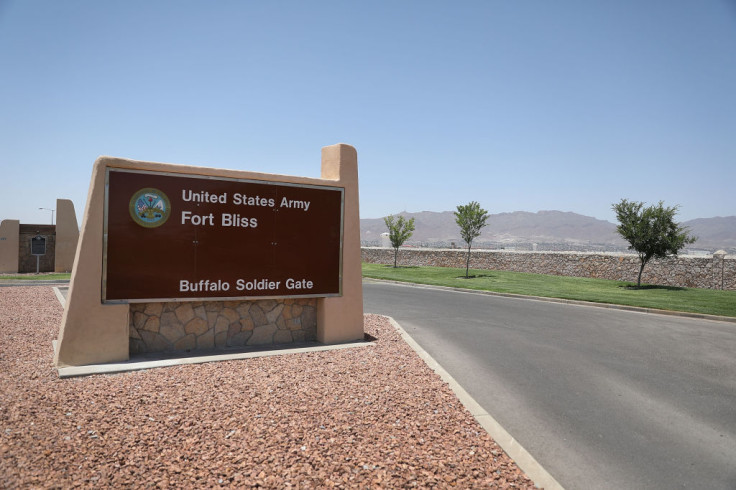
The latest reports also build on previous concerns about the treatment of Cuban detainees in U.S. custody. Back in December, four Cuban migrants held at the Fort Bliss detention center in Texas alleged they were beaten and pressured to accept deportation to Mexico without adequate notice or hearings, according to testimony cited by the American Civil Liberties Union.
The allegations remain disputed, but advocates argue they reflect broader concerns over the administration's expanding use of third-country deportations.