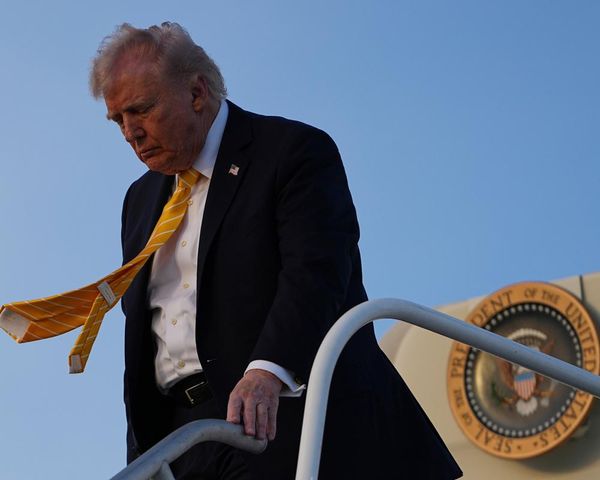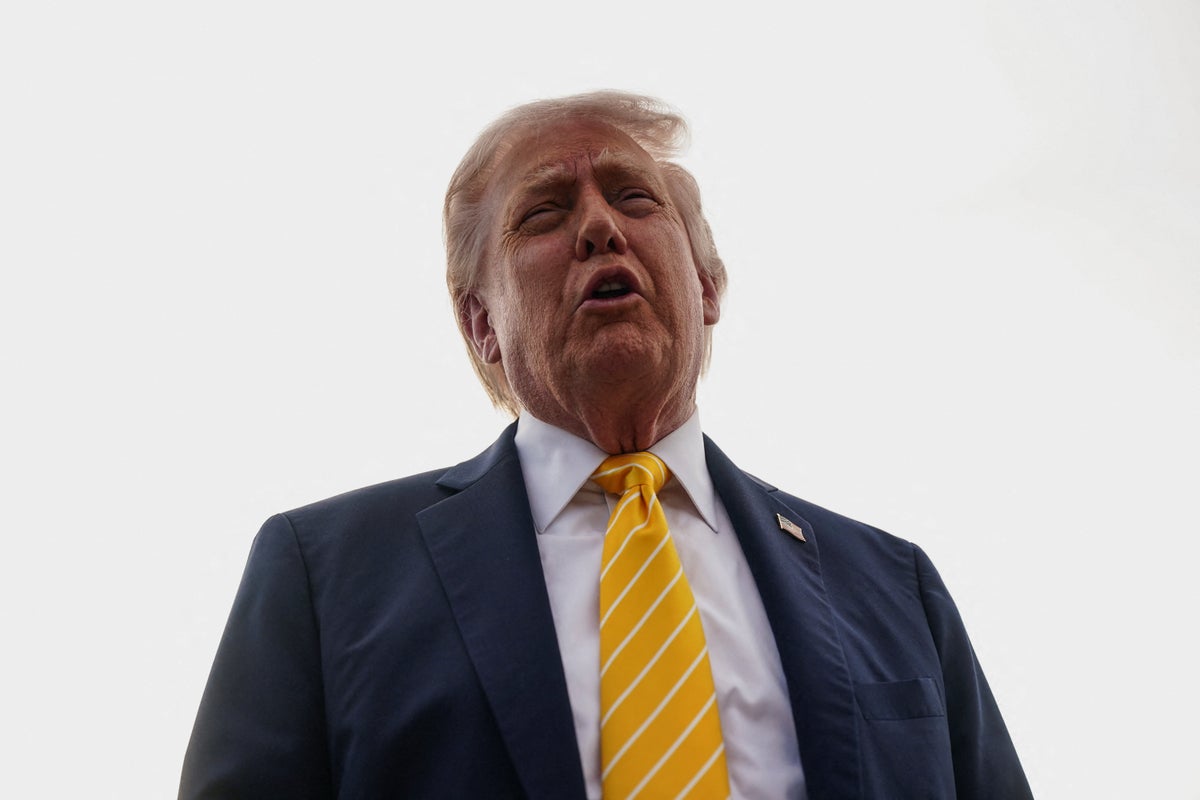
In the overall sum of military deployments, the withdrawal of 5,000 US troops from Germany, with the prospect of more departures to come, should not make a significant difference. There are 36,500 US troops stationed in Germany, out of a total of almost 70,000 based in Europe overall; the withdrawal of 5,000, or one army brigade, will not make a big dent in that number.
But President Donald Trump’s announcement of even a small reduction in the overall US military presence in Europe, and specifically in Germany, where it has been a fact of life for the best part of 80 years, cannot help but send a message – several messages, in fact – that should be of considerable concern not just to Germany, but to all of Europe.
It can be seen as the first real evidence that Donald Trump’s stated intention of moving the United States away from the defence of Europe is more than rhetoric, even if the Nato alliance will survive. That Europe was no longer going to be a priority for the US was clearly set out last year in the administration’s National Security Strategy, but putting even a small number, and a timescale – in the next six to 12 months – sets the policy change in a new light.
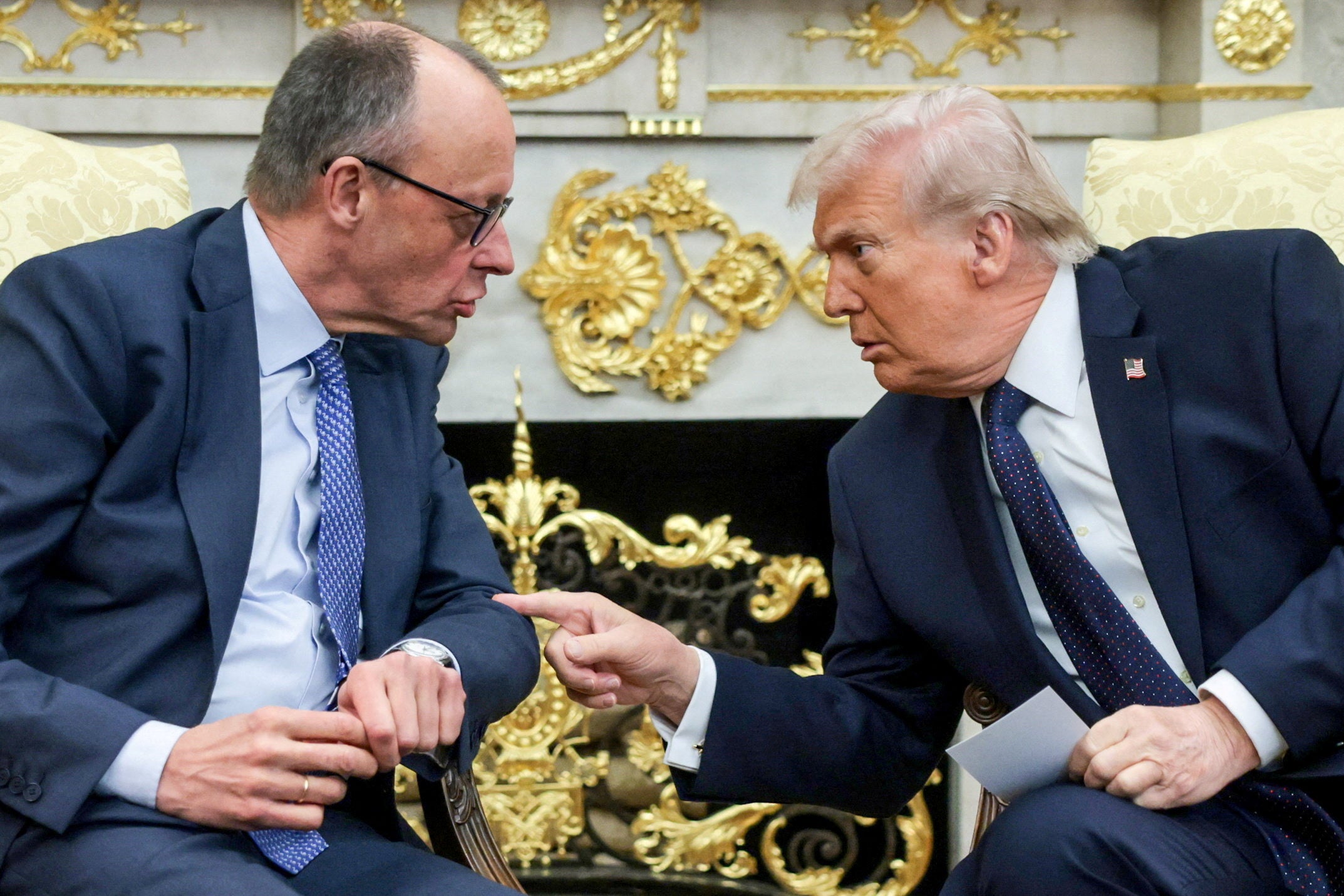
If the reduction of US troops in Germany should not necessarily be treated as a surprise, there should certainly be concerns about the manner and the timing of the decision. Any move by a major ally to reduce a longstanding military presence on the territory of another ally needs to be flagged well in advance, giving time for the appropriate adjustments. Here, the announcement seems to have been made by the US president in a piqued response to criticism voiced by the German chancellor, to the effect that Iranian negotiators were “humiliating” the US, which had unwisely embarked on the war with “no strategy”.
Pique is never a good basis for any diplomatic or military decision, least of all in current circumstances, where there is no sign of an end to the four-year-old war in Ukraine, and the Europeans are still grappling with the practicality that it is they alone, without the Americans, who will be responsible for helping Ukraine in its defence against Russia.
As the chairs of the armed services committees in the two chambers of the US Congress pointed out, in a rare joint statement of dissent coming from Mr Trump’s own Republican Party, any cuts to US forces in Europe risked “undermining deterrence and sending the wrong signal to Vladimir Putin”. Indeed, even a hint that the US was reducing its military presence in Europe would be guaranteed a welcome in the Kremlin, especially at a time when evidence has been gathering of stresses on the Russian economy.
There is room, of course, for caveats, as there is with practically everything that comes out of the White House and the Pentagon these days. Mr Trump’s initial remarks had every appearance of an off-the-cuff decision, even if it was subsequently confirmed by the Pentagon and reinforced by Mr Trump saying that there could be a lot more European troop cuts to come. With the practicalities yet to be spelt out, there is no guarantee that it will happen. The US president can make one apparently firm decision one day, only to reverse it the next – as has been graphically illustrated in the two months of the war with Iran.
As it is, though, the Europeans members of Nato and, to a lesser extent, the European Union, have no choice but to take their cue from Mr Trump’s threat, spontaneous though it may have been, to honour their pledges for increased defence spending and to accelerate preparations for greater self-reliance in matters of European security.
How unwise it might be for the Europeans to take US support for granted, even in the very short term, was underlined further by a warning from Washington that agreed deliveries of weapons to European customers, including the UK, could be subject to long delays because of low stocks in the US and the need to give priority to requirements in the Middle East. Many of these orders will have been paid for by European countries but destined for Ukraine, which cannot help but place Europe’s ability to maintain Kyiv’s defensive capabilities in doubt.
The longer-term difficulty for Europe, however, is the mismatch in timelines. If the war in and around Iran starts to wind down, and the US starts to withdraw even relatively small numbers of its troops from Europe over the next six to 12 months, this will give the European members of Nato nothing like the time they need to boost and reconfigure their own defences, even if some countries, mainly those closest geographically to Russia, are better prepared than others.
A US military withdrawal from Europe, if this is what President Trump is broaching, would be nothing less than the end to a key part of the post-Second World War settlement that has lasted since 1945. Representatives of both Germany and Nato say that they are seeking “clarification” from Washington, as well they might. In the meantime, the best course for the Europeans is probably to keep calm and carry on with whatever plans they have for a defence system less dependent on the United States – and to do so as rapidly and as harmoniously as they can.