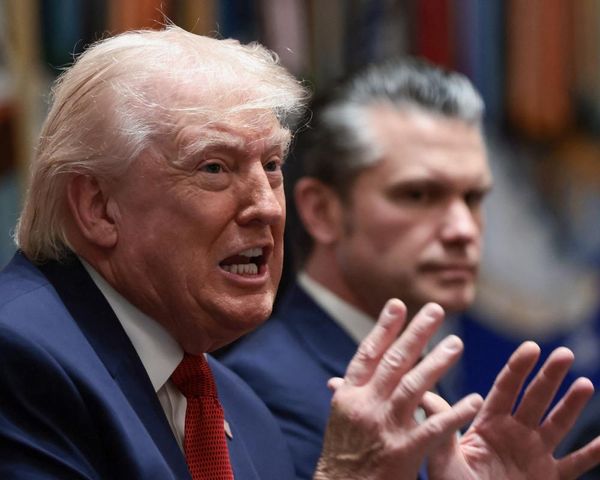
When Trump announced that Iran's government had "called to negotiate," it appeared there might be a diplomatic off-ramp to the escalating crisis unfolding in Tehran. Yet behind the scenes, far from the rhetoric of negotiation, the Pentagon was preparing something altogether different—military options being quietly examined as the Islamic Republic descended into what observers are calling its darkest period in recent memory.
The scale of the unrest sweeping across Iran remains difficult to quantify precisely, though figures from the Human Rights Activist News Agency paint a grim picture. Nearly 500 protesters have reportedly been killed during the past three weeks of nationwide demonstrations, according to the US-based rights group.
An internet blackout, now stretching into its fourth day, has made it nearly impossible to verify the true extent of the casualties or gather independent accounts from those on the ground. Starlink satellites have begun providing internet access to desperate Iranians cut off by the communications clampdown.
This uprising represents far more than a typical political protest. The demonstrations have been fuelled by profound anger over the regime's authoritarian governance, a collapsing economy, and the increasingly violent police response that has left families grieving across the country. For many Iranians, this moment feels existential—a last opportunity to challenge the system that has constrained them for decades.
The Trump administration's position has become decidedly more complex. After warning that military intervention could follow any use of lethal force against civilians, the president now finds himself in a precarious position.
'There seem to be some people killed that aren't supposed to be killed,' Trump told reporters on Air Force One. 'These are violent leaders, if you call them leaders. They rule through violence. We're looking at it very seriously, and the military is looking at it, and we're looking at some very strong options.'
Iran Protests and the Diplomatic Gamble: Is Military Action Inevitable?
The regime has doubled down on its narrative, staging pro-government rallies across the country and branding the anti-government demonstrations 'foreign-backed riots.' Iranian officials called for nationwide support marches on Monday, with thousands waving flags and chanting slogans in defence of the Islamic Republic. It's a familiar playbook—when facing internal dissent, redirect the blame outward.
Yet this strategy appears increasingly hollow to ordinary Iranians, particularly young people who see their economic futures evaporating. Joblessness, inflation, and the devaluation of the currency have created a pressure cooker that finally burst, perhaps irreversibly.
Jasmine El-Gamal, a former Pentagon Middle East adviser, offered a stark assessment of Trump's predicament.
'At this point, President Trump has boxed himself in somewhat by saying that he would take action if protesters were killed,' she told CNN's Rosemary Church. 'We have reached that point, and so President Trump will have to take some kind of action.'
El-Gamal warned of the potential consequences of any military strike, noting that such operations often provoke nationalist backlash within the targeted nation—a 'rally around the flag' response that could strengthen rather than weaken the regime's grip.
The Iranian foreign minister, meanwhile, has signalled a willingness to negotiate with the United States based on 'mutual respect and interests.' Whether such overtures represent genuine diplomatic outreach or tactical manoeuvring remains unclear.
Iran Protests Spreading Beyond Borders: A Global Flashpoint
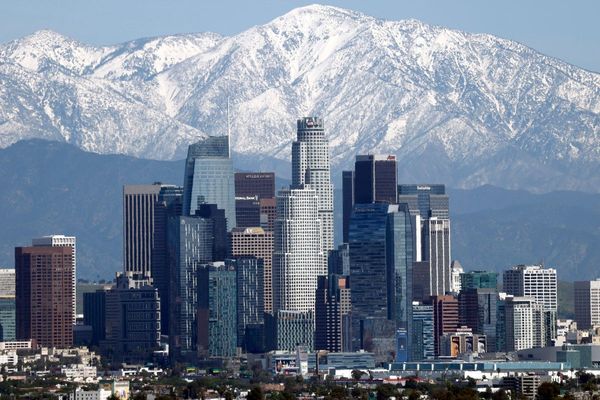
The unrest has already spilled beyond Iran's borders, highlighting how divisive the crisis has become internationally. In Los Angeles, authorities detained a person who allegedly drove a truck through a crowd of anti-Iranian government protesters—an incident that underscores how charged the atmosphere has become, even thousands of miles away.
In London, an Iranian diplomat was summoned after a protester tore down the Iranian embassy's flag, an act that, however symbolic, represented the raw emotions now erupting globally.
These scattered incidents point to something deeper than isolated acts of aggression. They reveal how this Iranian uprising has captured imaginations and loyalties across the diaspora, transforming what began as a domestic political crisis into something with ramifications for Iranians everywhere.
As the third week of protests continues, the question facing the Trump administration is no longer whether to act, but how. Military intervention carries enormous risks—potential regional destabilisation, escalating tensions with allied nations, and the very real possibility of deepening Iran's internal strife without resolving its underlying causes. Yet the president has painted himself into a corner with his previous statements.
For now, Iran remains in a state of profound uncertainty. The internet remains severed, reports of violence continue trickling out through VPN connections, and families worry in the darkness about loved ones they cannot reach. The regime controls the narrative on state media, but its grip on reality—and on its own people—grows more tenuous by the day.