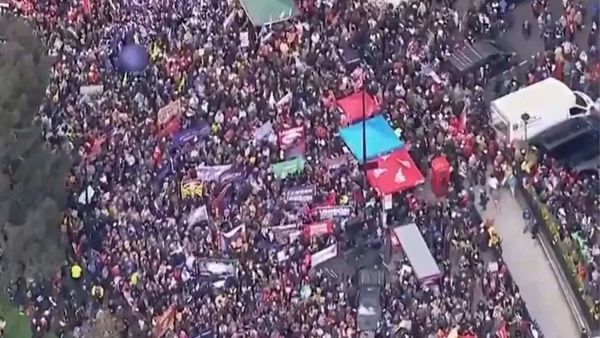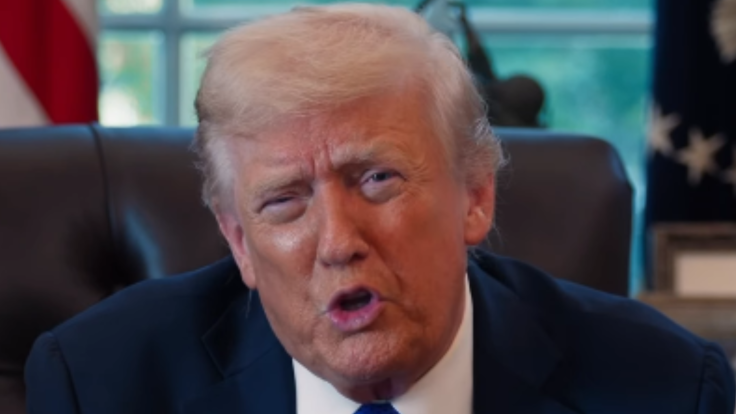
Trump's lengthy Truth Social post, in which he called media scrutiny of his health 'seditious', and hinted it might even be 'treasonous' to discuss it, has produced a flood of social-media commentary and political condemnation, with opponents and some commentators saying his tone and threats make him 'unsuitable' to hold the presidency.
The post, published late, lashes out at The New York Times and other outlets for reporting on signs of fatigue and cognitive lapses, and accuses critics of behaviour he describes as dangerously criminal; critics responding across social platforms and on broadcast news have used the episode to argue the president's temperament and rhetoric disqualify him from the office.
The Post and Its Language
Trump's Truth Social message runs to several hundred words and mixes medical boasts; he again asserted he had 'aced' cognitive testing, with legal and moral denunciations of reporters who question his stamina.
In the post, he wrote that some coverage of his health was 'seditious, perhaps even treasonous', a choice of words that instantly drew attention because of the gravity of both terms.
That verb choice is important: 'sedition' and 'treason' are charged legal categories in US law and have been invoked in American political disputes before, but rarely by a sitting president to describe criticism of his physical or mental fitness.
The post's tone, combative, apocalyptic and punitive, is precisely what several critics and many social-media users cited as evidence that Mr. Trump's conduct is incompatible with the measured dignity the presidency requires.
Political Backlash and Safety Concerns
The response was immediate and bipartisan in its alarm. Senate Democratic Leader Chuck Schumer previously said from the Senate floor that the president's rhetoric risked inciting violence and called for his statements to be repudiated; Senate and House Democrats sought extra security for lawmakers singled out in the president's posts.
Other senior figures, including state governors and former officials, mocked or condemned the idea that honest reporting on health could amount to treason. Several veteran Democrats who had recently released a video urging service members to refuse unlawful orders, and who were explicitly attacked in the president's Truth Social thread, reported receiving threats and said they had seen an uptick in intimidation.
Senator Mark Kelly and Senator Elissa Slotkin, two of those in the video, described the president's denunciations as an effort to intimidate and silence critics; both publicly defended the legal and moral basis for reminding servicemembers of their duty to disobey illegal orders.
Legal analysts and security experts warned that a pattern of escalating invective from the president increases the risk political speech will be followed by violence. That concern is one reason many social-media users, from ordinary citizens to commentators and some former aides, said Trump's language and behaviour make him 'unsuitable' to wield the powers of the office. Polling also suggests a growing share of the public regards his social-media output as inappropriate and alarming.

Why Tone, Not Just Policy, Matters
For critics, the problem is less any one phrase than a pattern: late-night rants, incendiary labels for opponents, and rhetorical flirtation with criminal punishments. That pattern elicits two related concerns.
Critics say the president's language can normalise political violence by signalling that severe penalties, up to, and in his phrasing, including death, are acceptable responses to dissent. Second, they argue, such language erodes confidence in the commander-in-chief's judgment at a moment when clear-headed decision-making is essential.
The administration defended the president's comments as rhetorical and insisted there was no call to violence. But the pushback, from Senate leaders, from servicemembers' advocates, and from a wide cross-section of social-media voices, focused squarely on temperament.
'Unsuitable' is a judgement made by many critics not on the basis of one policy disagreement but because of what they say is a sustained pattern of behaviour that risks harm to democratic norms.