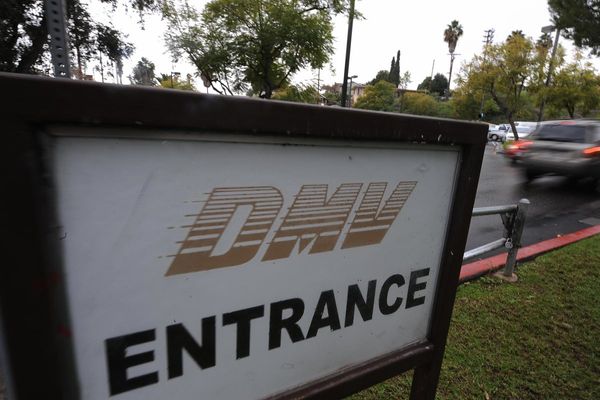
More than 6,000 noncitizens were mistakenly added to New Jersey's voter rolls because of a software error at the state Motor Vehicle Commission, Gov. Mikie Sherrill announced Tuesday.
The error affected about 6,600 people who identified themselves as noncitizens while applying for driver's licenses or identification cards between June 2023 and June 2024 but were nevertheless registered to vote, according to POLITICO. Fewer than 400 of them subsequently cast ballots in elections held since 2023.
Sherrill said the registrations were distributed across the state and included Democrats, Republicans and unaffiliated voters. She added that officials had found no evidence that the ballots affected the outcome of any election.
"We have no evidence at this time that any elections were swayed," said Sherrill, who took office in January.

The governor said her administration has begun removing the affected individuals from the voter rolls and ordered an investigation into how the error occurred and why it was not disclosed earlier. She blamed both the software vendor and the previous leadership of the Motor Vehicle Commission.
"This entire situation is unacceptable," Sherrill said, criticizing the release of software containing the error and the time it took the agency to correct it.
The disclosure came days after the Trump administration alleged that more than 35,000 noncitizens were registered to vote in New Jersey. CBS News reported that the federal estimate was based on commercial databases and had not been accompanied by a public explanation of its methodology. Election experts warned that such databases can produce false positives by incorrectly identifying eligible citizens as noncitizens.
President Donald Trump has repeatedly described noncitizen voting as widespread and has used the issue to support new proof-of-citizenship requirements and expanded federal reviews of state voter rolls.
A Reuters examination of federal court records, published last week, found 129 prosecutions under the federal noncitizen-voting statute since it was enacted in 1996. Prosecutors did not allege a coordinated election-influence operation in any of those cases, and many involved administrative mistakes, confusion or inaccurate guidance from election officials.