Donald Trump's planned Fourth of July fireworks display is being promoted as one of the largest in U.S. history, but its scale and late-night schedule have also prompted questions over whether it could conflict with Washington, D.C.'s overnight noise regulations.
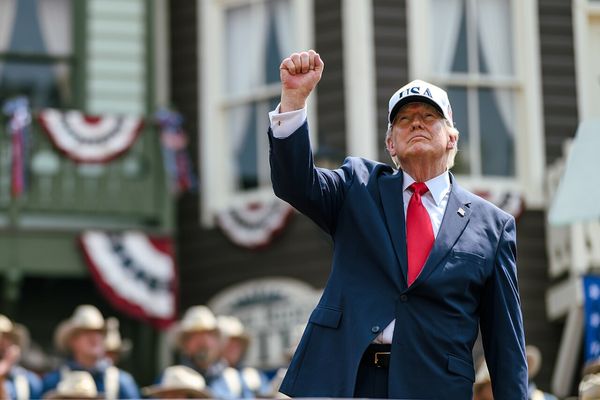
The display forms part of the wider America250 celebrations marking the 250th anniversary of the Declaration of Independence. Trump has branded the festivities 'Freedom250,' with Pennsylvania-based Pyrotecnico hired to stage what France 24 reported will be more than 850,000 fireworks shells launched from 10 sites around the Lincoln Memorial and the Potomac River.
While organisers have focused on delivering a record-breaking patriotic spectacle, critics have raised concerns ranging from air quality to whether a fireworks show scheduled to begin after 10 p.m. can comfortably sit alongside the District's local noise rules.
A Record-Breaking Spectacle
According to France 24, the fireworks are due to begin at 10.30 p.m. and continue for around 40 minutes, making the display significantly longer than many traditional Independence Day celebrations.
The event is expected to serve as the centrepiece of Trump's America250 programme, which aims to mark the nation's semiquincentennial with military displays, concerts, historical commemorations and one of the largest fireworks shows ever attempted in the capital.
That scale has also attracted criticism from environmental experts, who argue that weather conditions and existing air pollution could magnify the impact of such an ambitious display.
Professor Russell Dickerson, an atmospheric chemistry expert at the University of Maryland, told AFP: 'In my professional opinion, it's probably ill-advised to try to set off 850,000 fireworks... on a hot, stagnant, already polluted day. I'm not going down to the Mall and I certainly would not bring my grandchildren there.'
The White House, meanwhile, has continued to promote the celebration enthusiastically. During an appearance on Fox News, press secretary Karoline Leavitt told Peter Doocy: 'I think they're gonna hear it no matter what. The whole city is going to hear it.'
Her comments quickly fuelled discussion online, not only because of the event's unprecedented scale but also because they highlighted how far the sound is expected to carry across the city.
Why Washington's Noise Rules Are Being Examined
The legal debate centres on Washington's overnight noise ordinance rather than the fireworks themselves. The Code of the District of Columbia generally makes it unlawful 'to make an unreasonably loud noise between 10:00 p.m. and 7:00 a.m. that is likely to annoy or disturb one or more other persons in their residences.'
The ordinance states that violations may constitute a misdemeanour punishable by a fine, imprisonment for up to 90 days, or both.
Because the display is scheduled to begin at 10.30 p.m., some observers have questioned how the event fits within those provisions. The timing, coupled with the scale of the fireworks, has made the city's overnight restrictions part of the wider conversation surrounding the celebration.
However, whether those rules ultimately apply remains unclear. No public indication has emerged that District authorities intend to pursue enforcement action, and officials have not publicly detailed whether the event is operating under permits, exemptions or other authorisations that could affect how the regulations apply. Large public events involving federal agencies or nationally organised celebrations may be subject to separate approval processes, although those arrangements have not been publicly explained in this case.
More Questions Than Answers
For now, the legal issue remains unresolved rather than settled. Supporters view the fireworks as the centrepiece of a landmark national celebration intended to showcase America's 250th anniversary, while critics have questioned the environmental impact, the late-night schedule and the practical application of local regulations.
Whether the display ultimately attracts legal scrutiny is likely to depend less on its size than on how District authorities interpret any applicable permits and the city's noise ordinance once the celebrations begin.
Until then, the discussion reflects less a confirmed legal dispute than an unresolved question over how Washington's local rules intersect with one of the most ambitious Independence Day fireworks displays the capital has ever attempted.