Ahead of a day imbued with more meaning than any other in football, to the extent the stakes can seize lesser players, there is a distinctive serenity about the two teams left.
As Spanish captain Rodri said to his teammates, “your will to win has to be greater than the fear of losing.” Argentina feel the same.
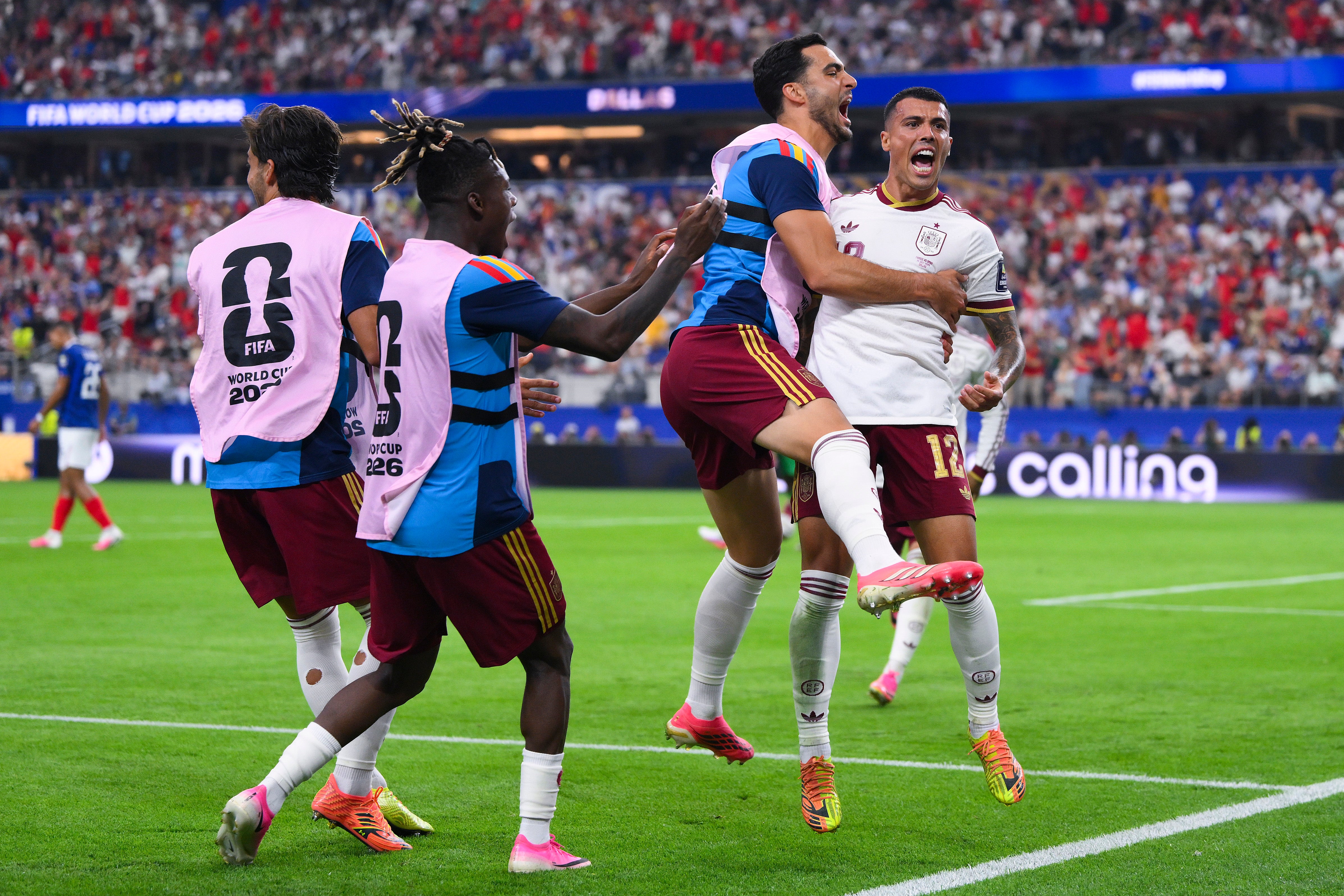
Part of that comes from performance, and how both sides got to this final. Spain’s route saw the European champions ascend to new peaks against France. Argentina came from behind against England with a Lionel Messi-inspired late show. Both of the victories infusing these two great sides with even more assurance in different ways.
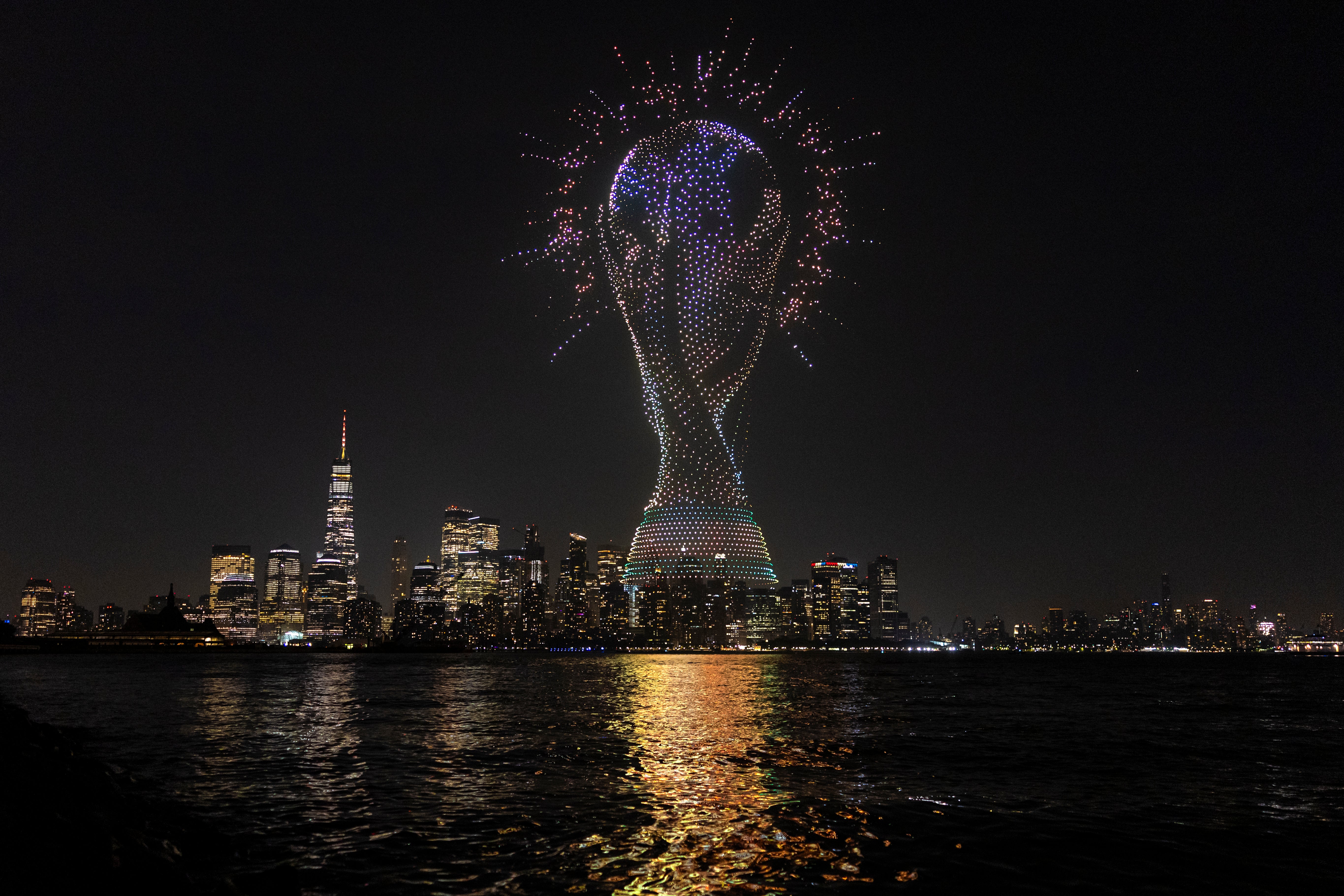
New Jersey’s MetLife Stadium will see the first-ever World Cup final between the reigning champions of Europe and South America, and also the sixth time that the defending world champions have immediately returned to the final.
If there have been claims that Spain v Argentina is exactly what Fifa would have idealised, the truth is that many fans will feel the same. Especially at kick-off. The World Cup final needs no added adornments, given how it shifts the tournament from sentencing sudden death to bestowing immortality, but there haven't been many over the 96 years with the football wealth of this one.
A tournament in the home of entertainment and duly defined by stars fittingly has its grandest individual duel, as the king meets his anticipated successor; maybe the greatest-ever in Messi against the next best in the world in Lamine Yamal. Perhaps this will crown it.
Everyone has now seen the image of a 20-year-old Lionel Messi bathing an infant Yamal. The younger star is now seeking to retire the old master, the old master seeking to show the true level required.
This 23rd World Cup final is likely to involve the historic landmark of proving Messi’s last World Cup match either way, but one path could yet see him secure a third Golden Ball, a first Golden Boot and - above all - a second winner’s medal.
Yamal, meanwhile, is almost fittingly seeking to secure Spain’s second star.
There aren’t too many finals that have had as much as this, either in terms of the narrative around both teams or the stories of the stars. The last one, in 2022, obviously did but beyond that there's perhaps only 1994, 1986, 1974 and, of course, 1970.
The themes are such that it feels like it should be staged in the Azteca.
It is instead in the MetLife, politics ensuring that it takes place by a great city if not in a truly great football stadium, with SoFi Stadium in Los Angeles or AT&T in Dallas widely seen as superior stadia.
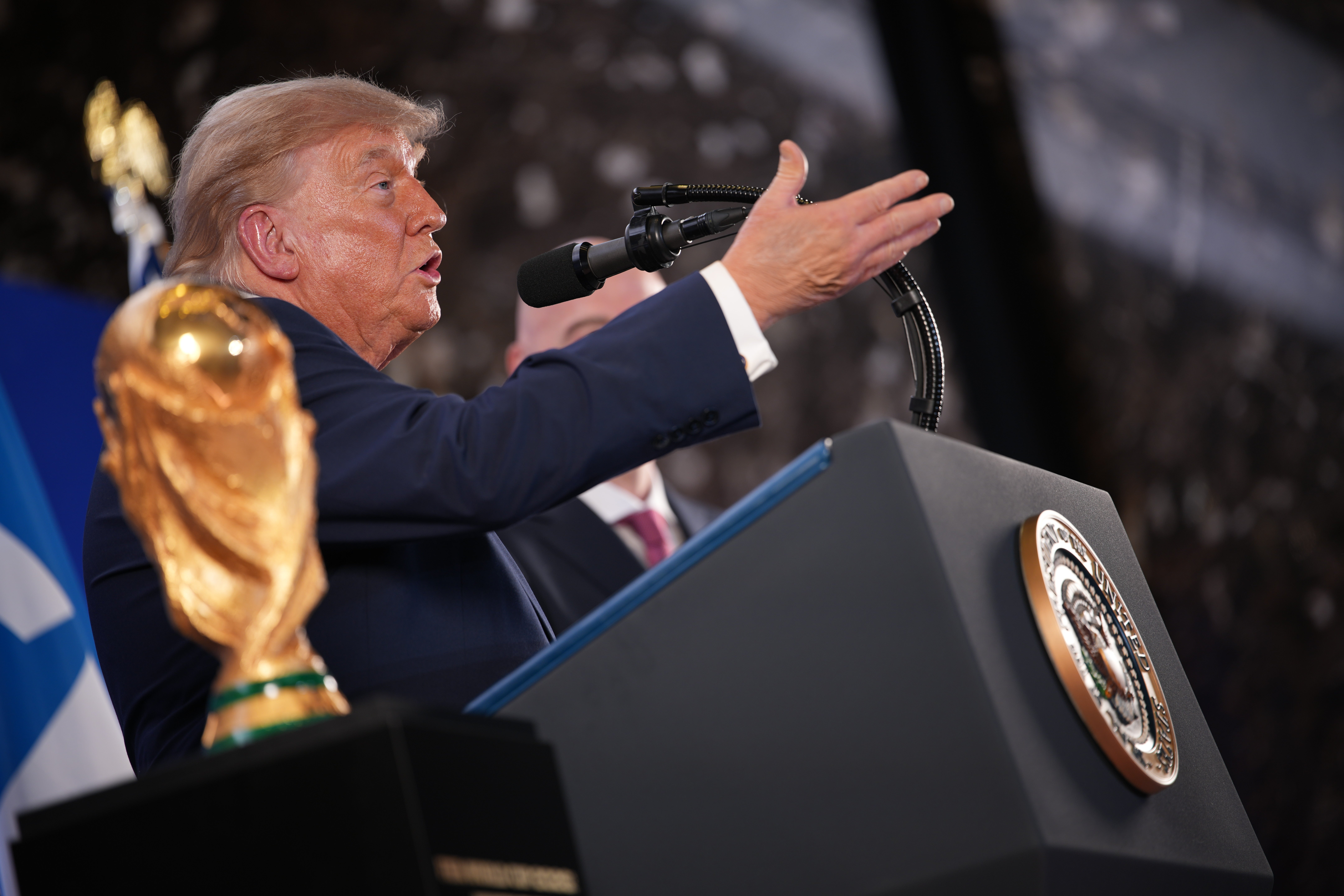
The smog that engulfed New York after the semi-finals seemed an apt metaphor for the many controversies that have clouded this World Cup, that will culminate with Donald Trump handing out the trophy. Call it another intervention, if you like. Fifa president Gianni Infantino will be beaming alongside him, the expanded and most expensive ever tournament having been a resounding financial success.
In the political sphere, all of its many controversies will pale next to those economic figures, the concerns forgotten in the way so many of the inconsequentially entertaining group games have. The competition’s own legacy probably needs a great climax, something to really last in the memory.
The smog did at least clear by the weekend, leaving only brilliant blue skies and a final to be played.
That itself is symbolic of the singular beauty of the occasion. There’s a purity to the World Cup final, irrespective of what happens around it. That’s because nothing in the game matters more.
It is worth reflecting on how special that is. It is a day to be enjoyed, to allow yourself to be moved by, even if that is impossible for anyone involved.
You won’t get it again for another four years, the rarity appropriately reflecting the value of the achievement.
One team will be able to call themselves world champions.
Both sides are more focused on that ambition than most previous finalists. Their achievements have allowed them an aspirational perspective rather than any anxiety.
That could well contribute to another great game, even if it doesn’t ascend to the peaks of 2022.
The contrasting qualities of the sides may only further drive this.
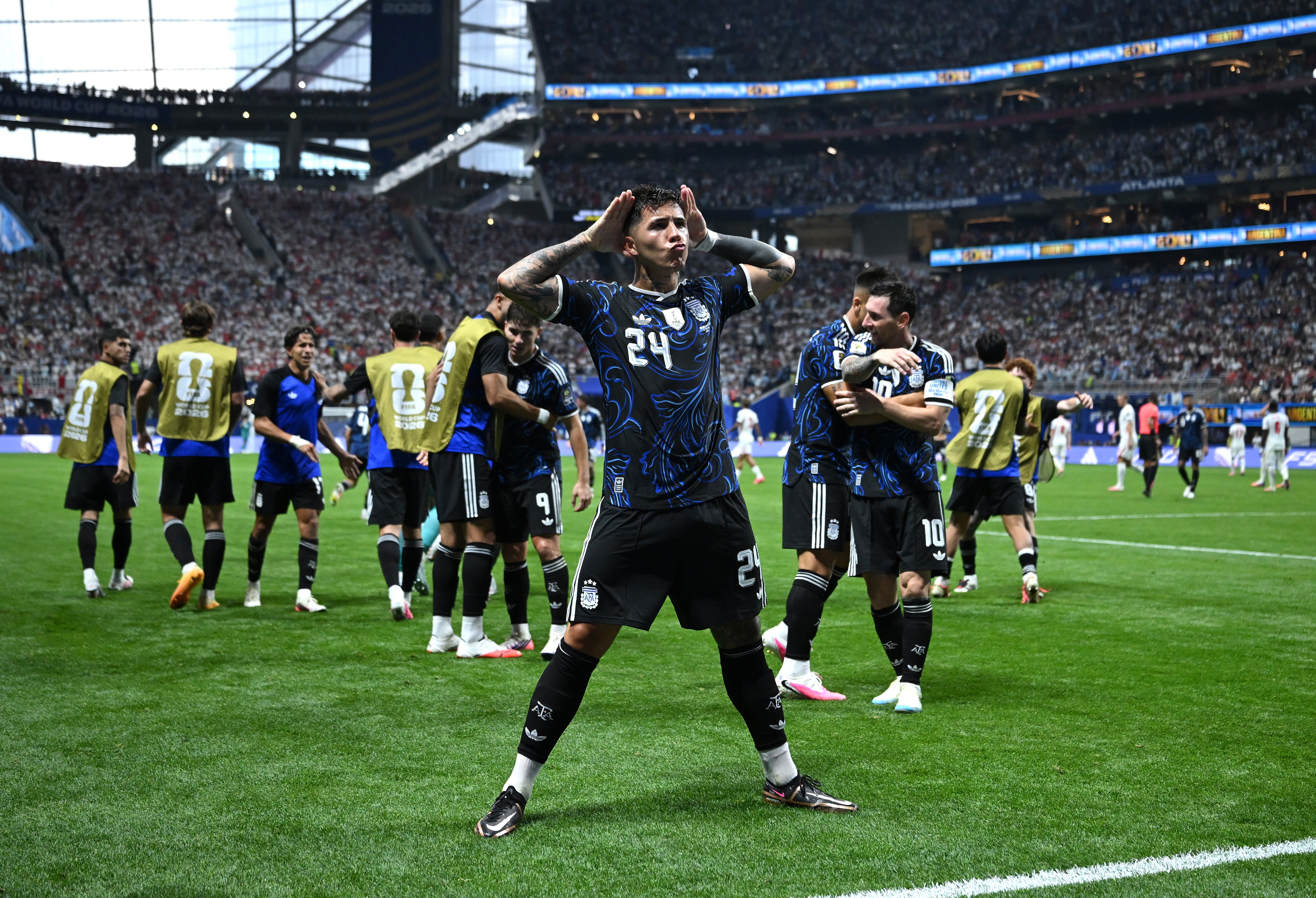
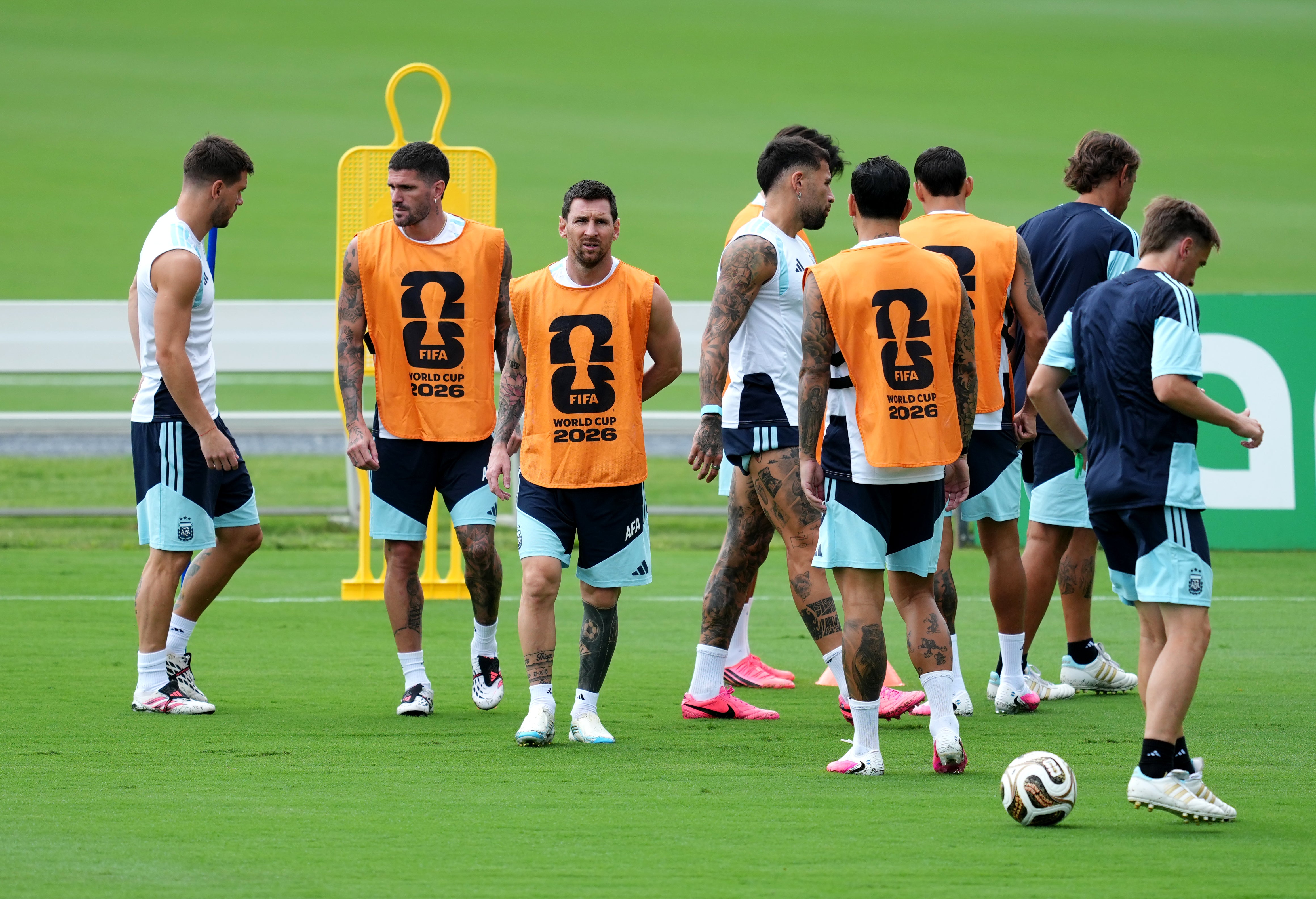
Argentina’s defiance is admittedly a product of their dysfunction, but that does afford them a genuine greatness in a different way. It isn’t all about technical excellence or tactical coherence. It’s also about spirit and character, traits they have in abundance and that are especially important in matches of such emotional intensity. Argentina can evidently live with that better than anyone else in the world.
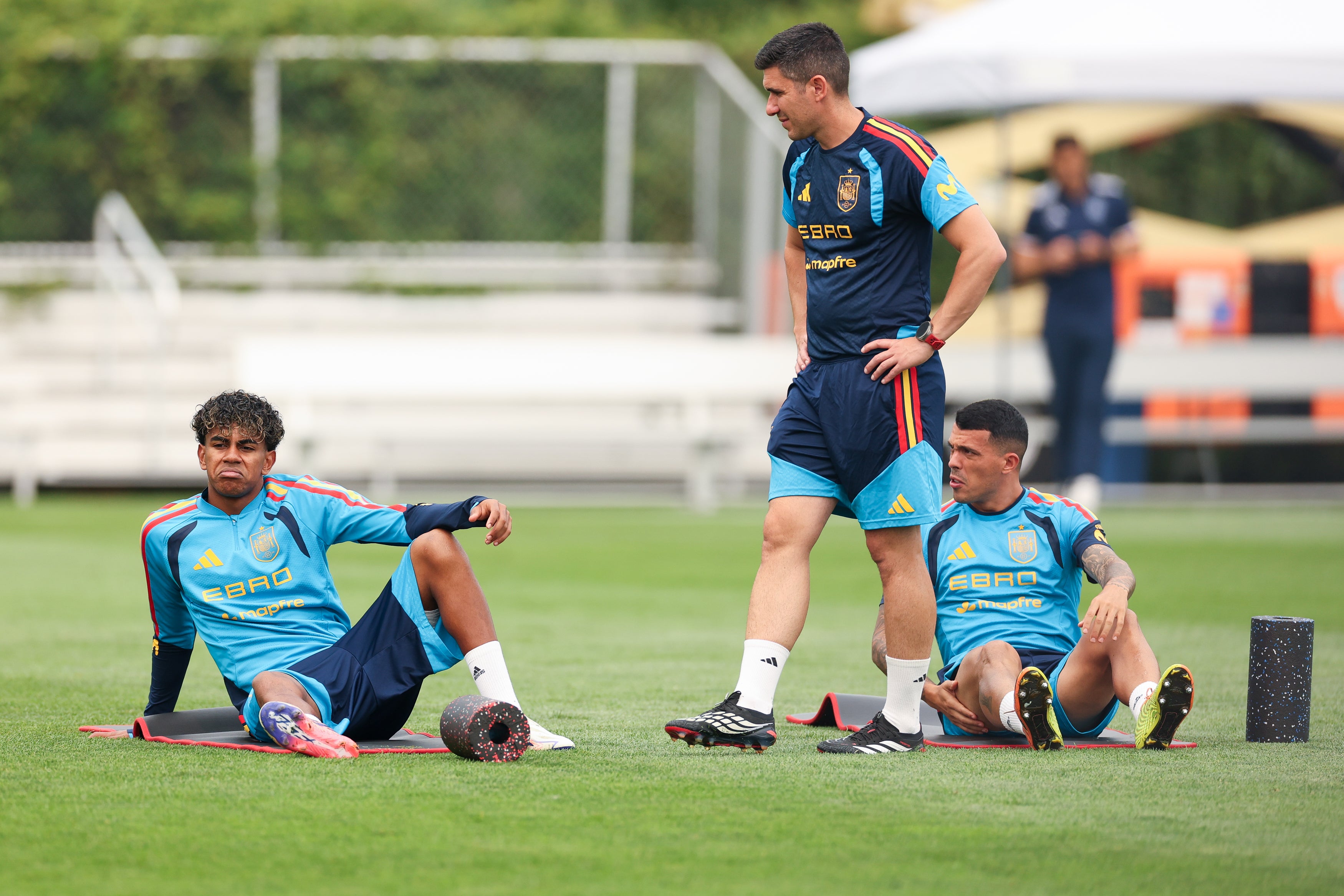
Spain still stand apart, and almost feel like fitting champions in another way. They have been the only side at this entire World Cup with a complete idea, to the envy of other nations. They are consequently the only complete team, their faith in their football allowing them to admirably defy many injury issues - including that of Yamal, which has perhaps delayed a coronation and an acceptance that this is his era. Since this has been about stars, maybe it's inevitable that the one collective trumps all individuals.
In a normal match, after all, it would be easy to see how this goes. Spain would simply impose their game on Argentina and expose their flaws, especially a lack of pace.
Scaloni, for his part, will almost certainly look to combat that by again making his midfield compact; by going for a diamond to ensure some kind of numerical superiority in that area.
Argentina, however, have been a bit like England in how they have long looked like they could eventually be outclassed by an elite side. Maybe this is it. It is almost a question of maths, an equation that has a symphonic quality.
Spain could keep the ball and keep it away from Messi before gradually creating the kind of openings that will kill the game. Argentina would then have to fight their hardest yet to force anything.
The maths are best illustrated by one specific number, that isn’t even a possession stat. It is 37 games undefeated, a Spanish record equalling Italy’s, but still one glorious victory away from having that - and the World Cup itself - all to themselves.
And yet Spain would do well to remember another great side that reached a World Cup with a similar unbeaten run. Hungary’s golden team were awaiting a 33rd game without a defeat in Berne in 1954, and even went 2-0 up, only to see West Germany somehow come back.
Argentina play with that same spirit. The logic of maths may suggest a Spanish victory, but the defending champions are capable of making any game entirely illogical. Then again, Messi continues to defy football norms, too.
That is also why it is probably better to play a team as good as Spain in the final rather than before. Earlier rounds have a more routine element. The final has an energy all of its own.
If this is in the balance late on, too, Spain will have to brace themselves. Argentina have successfully roused themselves in every single knock-out match so far. It creates a momentum.
Should that happen again, we may really have another classic.
All of this may be further enlivened by the unique relationship between the countries.
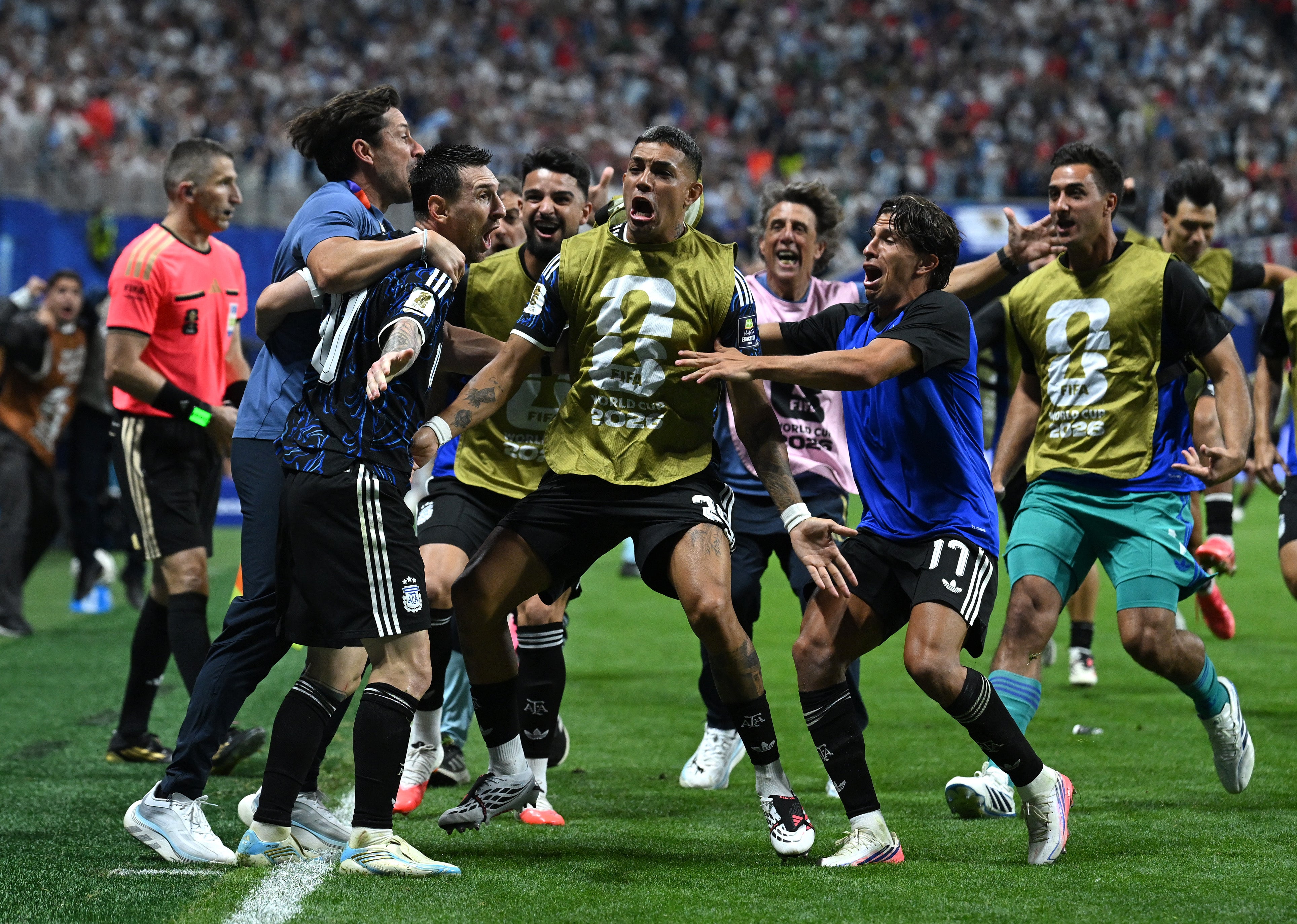
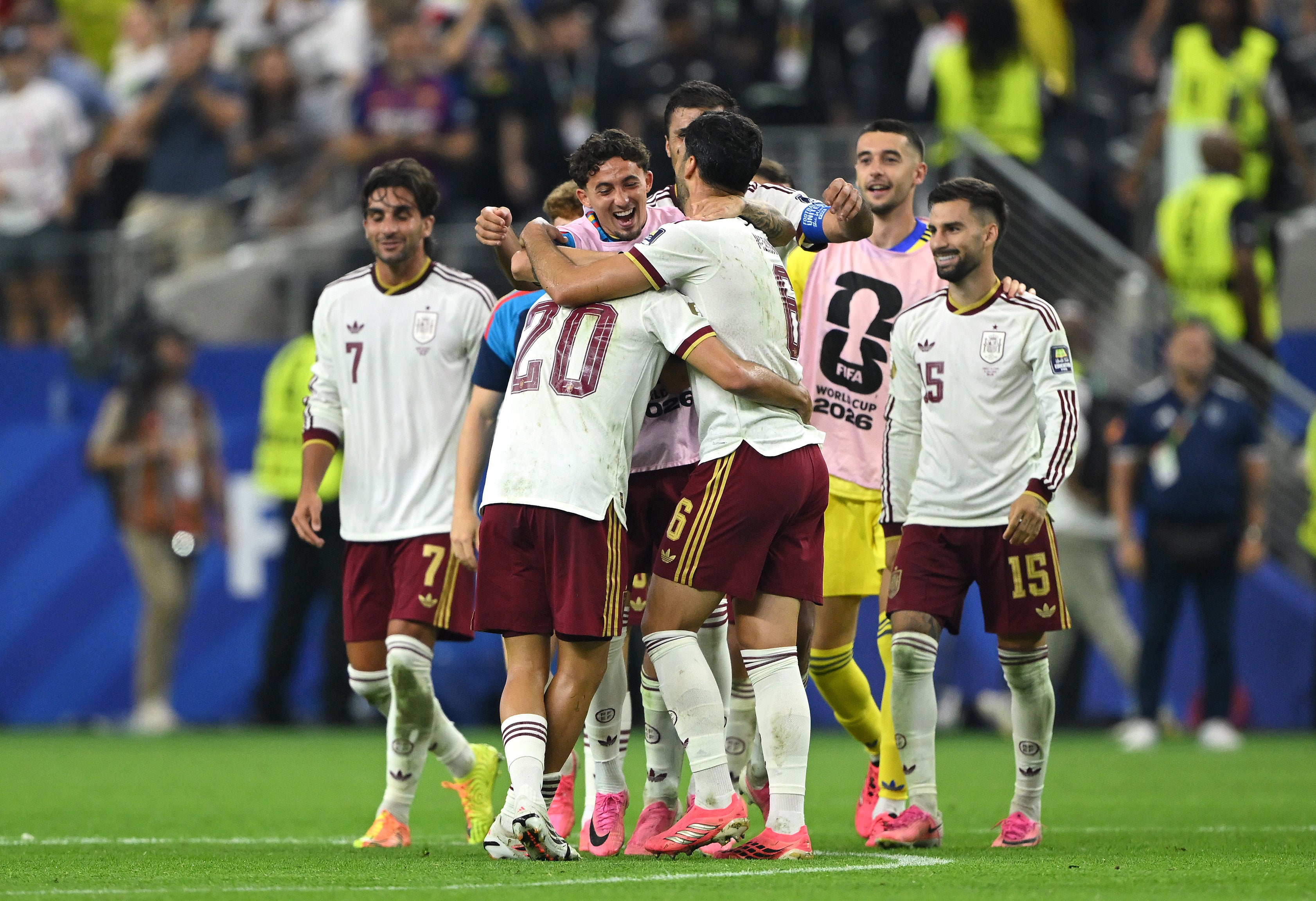
The rarity of a Spain v Argentina fixture, where they have remarkably only met once in the World Cup, has ensured less focus on a very real history.
Argentina may not have anything like the emotion they do towards England, but this is the colonial power they won independence from in 1816. It won’t take them much to fire the necessary enmity.
Even the careers of most of their greatest players are intertwined with Spain, from Alfredo Di Stefano through Diego Maradona and Messi himself.
On the other side, children of migrants like Yamal and Nico Williams are well aware of the songs that Argentina players chanted about French counterparts. The controversy about the Malvinas flag is really nothing next to that.
Maybe such a flashpoint is inevitable given the character of this World Cup.
The hope is that the surrounding events remain as pure as the occasion itself, that the football proves enough.
There is enough at stake. Argentina can become just the third side to retain the trophy, and the first since 1962, as well as the first outright to win four major trophies in a row. Both are seeking to become double champions, of their continent and the world. One star will go supernova.
And yet even the celebration of such feats fades next to the feeling of walking up to that trophy.
Now, after a World Cup of superabundance in almost every aspect, from teams to goals to games and controversies, only one side will be left to lift it.
There’s nothing like it in sport. There’s nothing like this day.