For eighteen long minutes, Nikki Wasilishin’s three-year-old sister repeated a shocking claim as they sat together in the back of a police car.
“Papi killed mommy!” little Kristina cried to Nikki, who was 10 at the time. “Papi killed mommy!”
Their mother, 32-year-old Stephanie Wasilishin, had just been gunned down inside their family home in Sedona, Arizona on July 9, 1993, after getting into a fight with longtime boyfriend Russell Peterson.
Authorities ruled the death a homicide, but no one was ever charged. Peterson has never been charged and has not responded to a request for comment.
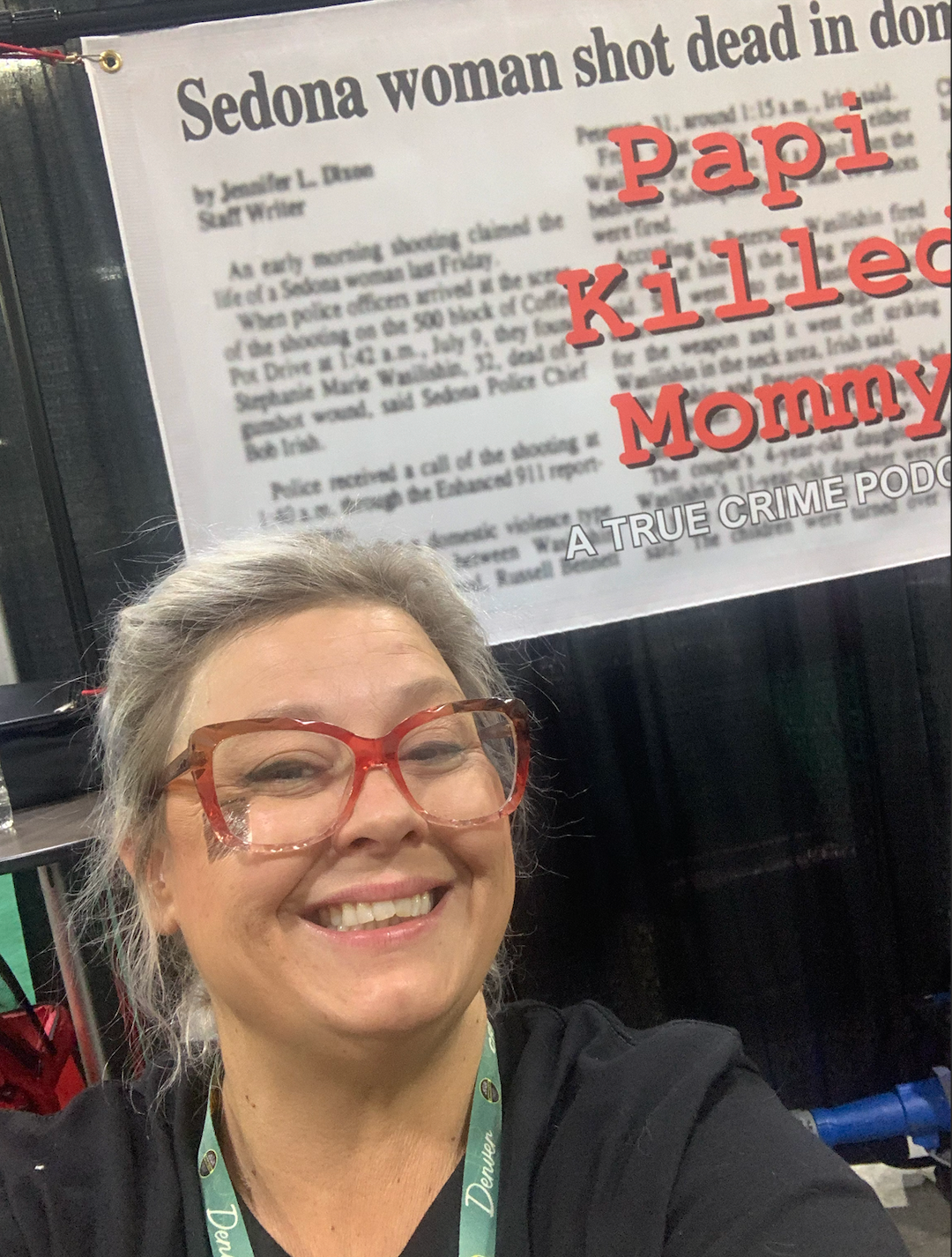
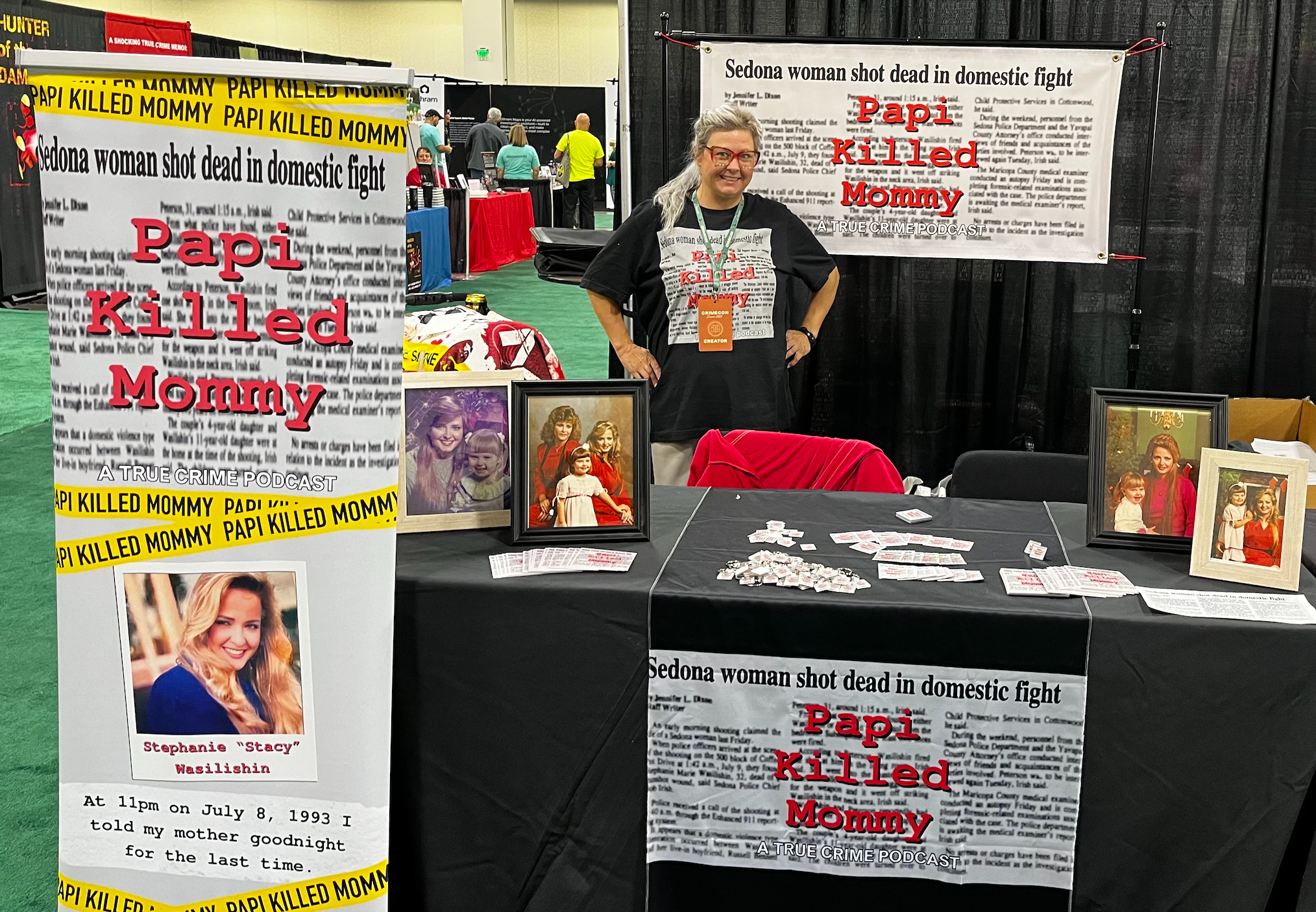
Now, 33 years later, Nikki is pushing for answers with her TikTok page and her podcast, Papi killed Mommy, which launched in 2025. She told The Independent that she is grappling with the reality that no one may ever be charged in her mother’s death.
“If I’m not going to get justice in the court of law, I will get justice in the court of public opinion,” she said.
A life tragically cut short
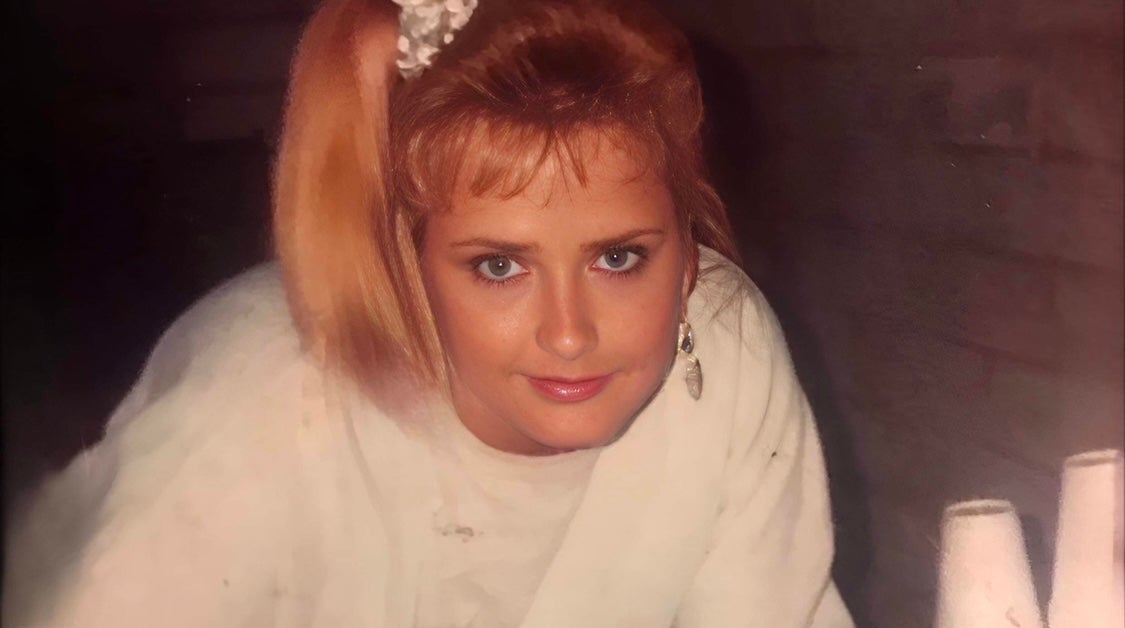
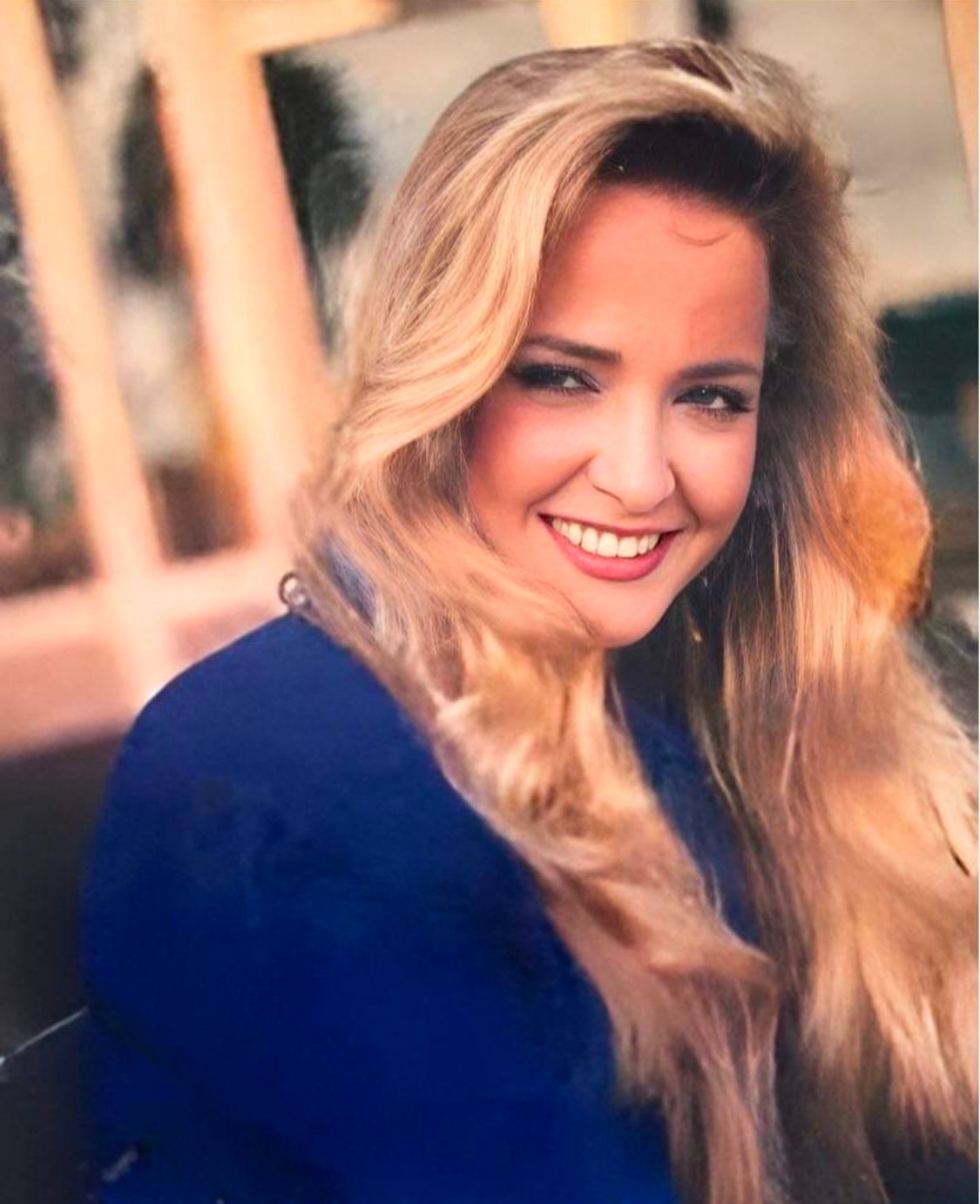
Stephanie Marie Wasilishin, who went by “Stacy,” was a “cool mom” who was fiercely dedicated to her daughters, filling their home with small joys – new clothes, new books, a lush garden bursting with sky high sunflowers and massive pumpkins.
“I’d come home from school to the latest R.L. Stine book waiting for me on my bed,” Nikki recalled.
“She loved her kids. That’s all she ever wanted,” Nikki said. “She didn’t want to be a doctor or a lawyer. She just wanted to have kids and a family.”
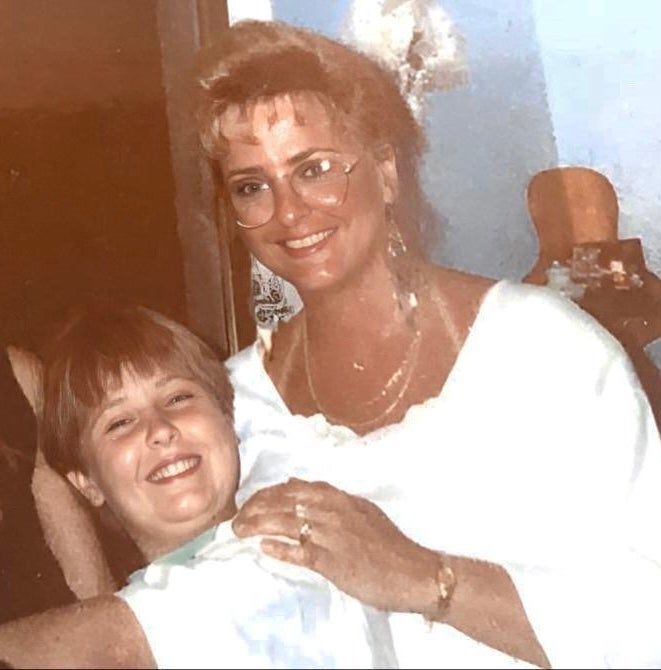
Stacy was a pastry chef who worked with her chef boyfriend Peterson at Pietro’s Restaurant. Nikki lived with them and they welcomed baby Kristina in 1989. Nikki said that for a brief time in her life, she felt like they were a family. But behind the scenes, the couple had a tumultuous relationship.
The night her mother was killed, Nikki remembers her being on the phone most of the evening. She later learned that Stacy had been speaking to Nikki’s father about breaking up with Peterson.
“She made plans to leave Russell Peterson and go back to my dad,” she said.
Less than four hours later, she was dead.
“Three hours and 47 minutes,” Nikki said. “Women are 75 percent more likely to be killed within the first two weeks of leaving a relationship than any other time.”
The night everything changed
Before it all ended horribly, Nikki remembers July 9, 1993 as being a perfect Sedona evening, playing with her sister.
“I remember we were running though the garden of sunflowers taller than us,” she recalled.
Hours later, around 11 p.m. she hugged her mom goodnight and went to bed. It would be the last time she ever saw her.
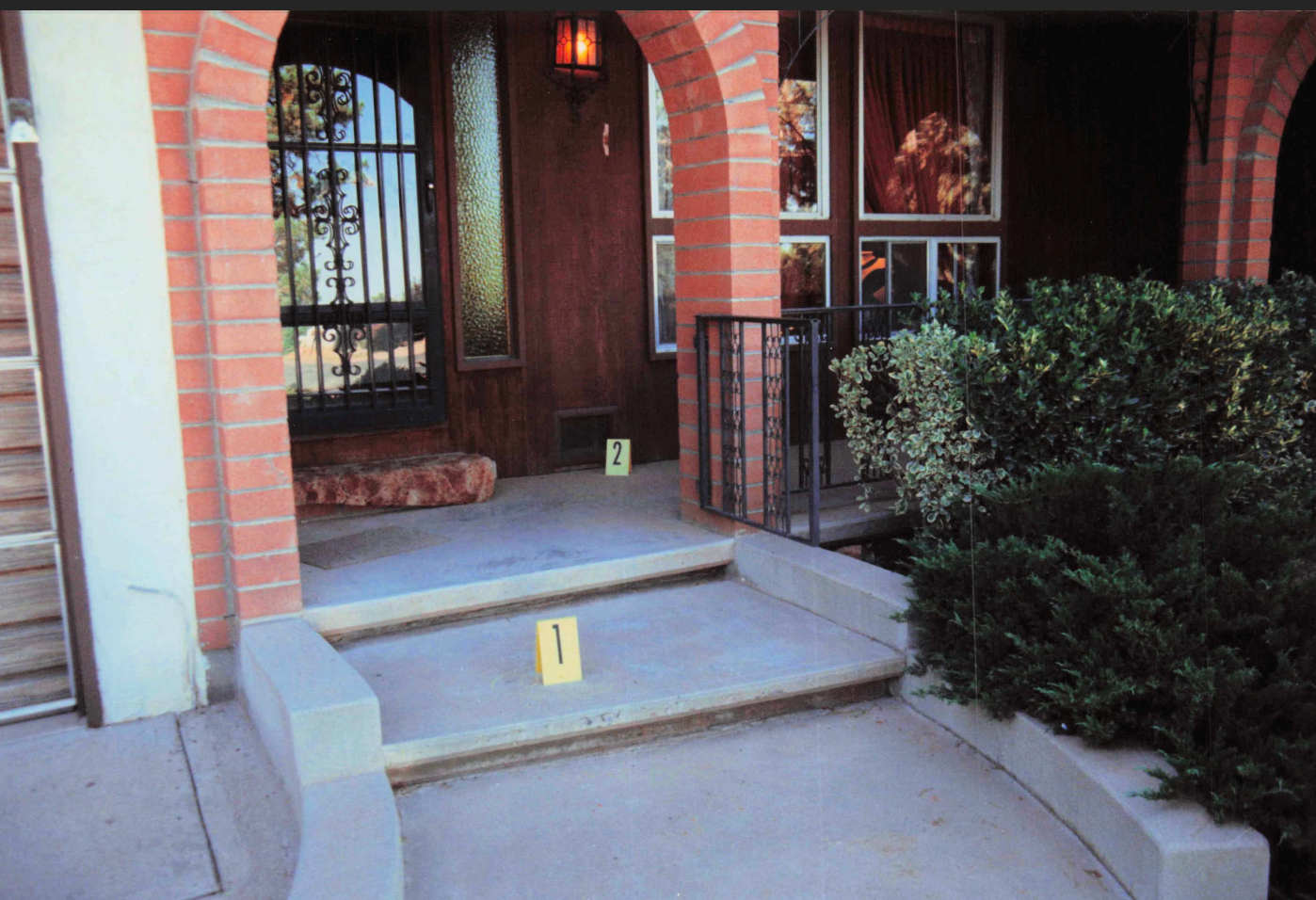
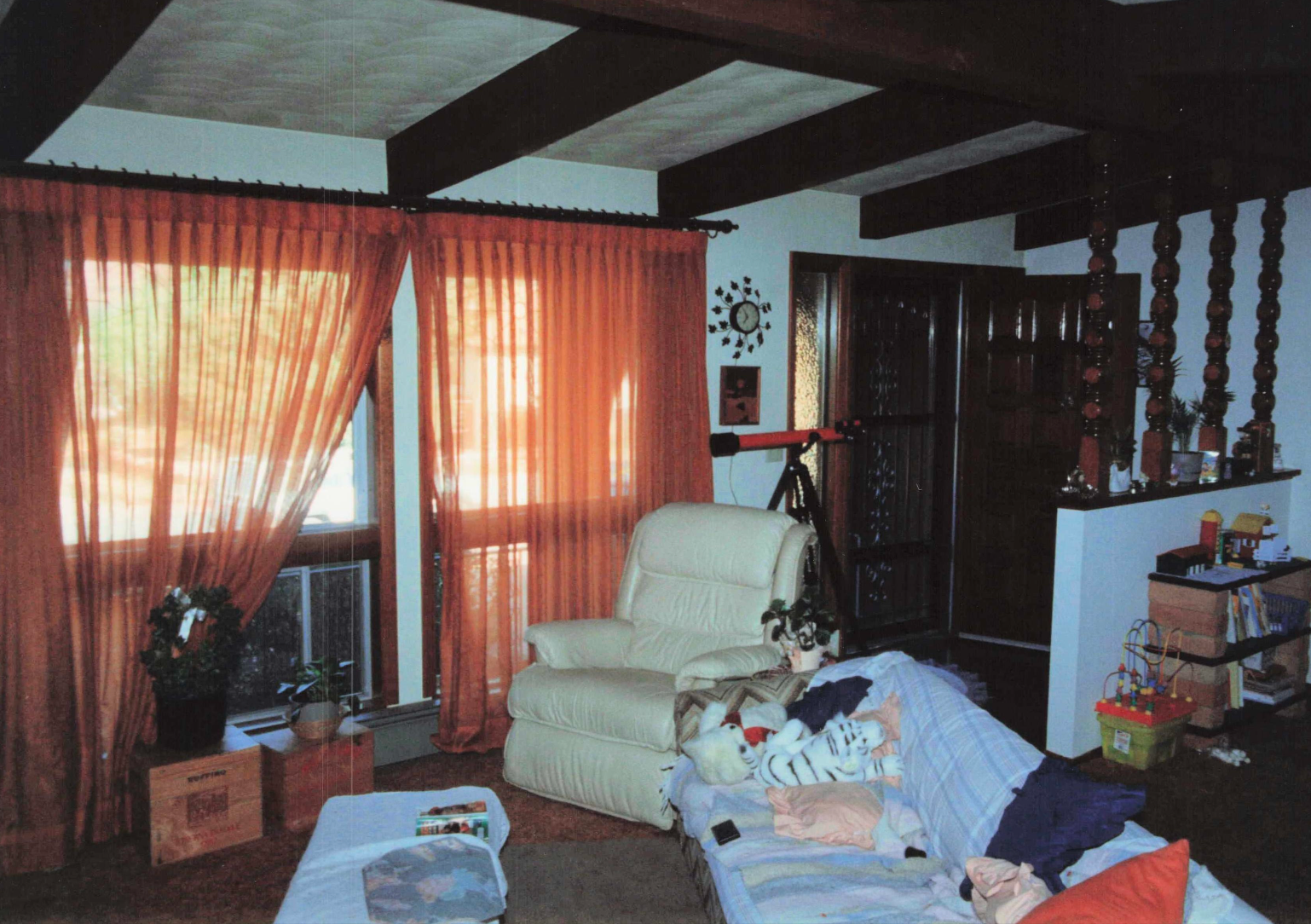
Around 1:15 a.m., Stacy was shot. Sedona police responded to their home on Coffee Pot Drive after receiving a 911 call from Peterson at 1:40 a.m. Peterson told the 911 dispatcher that he and Stacy had been fighting, according to a transcript.
Peterson: “Me and my wife, we were in an argument, and she is hurt very bad.”
Operator: “OK, what is wrong with her?”
Peterson: “She has been shot.”
Operator: “She was shot? Who shot her?”
Peterson: “… We were … I don’t know who.”
Operator: “You don’t know who shot her?”
Peterson: “I might have … She might have shot herself.”
A few minutes later, when asked by the dispatcher if he was the one “who did the shooting,” Peterson says: “Um, no, uh, I didn't do the shooting. She shot at me. We had a little bit of an argument, and it went kind of back and forth and it just kind of went off,” according to the 911 recording viewed in the case file.
When police arrived, they found Stacy dead from a gunshot wound.
Peterson was interviewed several times after the incident.
”She goes into the bedroom and she comes back out, she has the gun in her hand, and she cocks it back, and she goes, ‘Russell, I’m gonna shoot you,' and I put my hands up and say ‘Steph, what are we talking about here?’" he says in one of the interviews.
He had also claimed that Stacy fired a shot at him, missed and then he followed her into the bedroom where they got into a struggle and the gun went off, according to the police report and recordings of the interview.
“It all happened so fast. I don’t know. I mean, we were there, there was a struggle, next thing I know there was a pop, and she dropped,” he said.
The gun in question, a Ruger Redhawk .44 magnum revolver, was a gift from Peterson’s father and kept in the closet inside a holster in the bedroom, he told police.
Peterson was also questioned about the gap of time between when Stacy was shot and when he called 911, and that he picked up the gun and moved it.
“I didn’t know what to do, and I didn’t want to be accused of murder, of anything like that,” Peterson said.
Nikki notes that call logs in the case file reveal Peterson called his father at 1:36 a.m. — four minutes before calling 911.
Peterson’s account of the night appeared to shift over the course of four interviews with police. In another interview, he said: “I think she committed suicide. I might be contradicting the fact, but I might have saw her shoot herself.”
In his final interview with police, Peterson told Detective William Spokes that he could not remember what happened, and when questioned about why he believed there was no struggle, he said it was because he saw her fall from a distance.
The Maricopa County Medical Examiner ruled her death a homicide based on the gun powder residue on Stacy’s non-dominant left hand, suggesting a “defensive posture at the time of her death,” according to the autopsy report.
Peterson’s name is mentioned throughout the police reports with investigators noting that he canceled appointments, was difficult to contact, and refused a polygraph and reenactment.
But prosecutors declined to file charges in 1993, citing insufficient evidence.
“The inconsistencies, together with all the other evidence, still does not amount to sufficient evidence to prosecute,” Yavapai County Attorney Jim Landis wrote in a letter to police.
“The suspect vacillates between whether there was a struggle or whether it was suicide. The physical evidence, however, does not clearly support either one of his stories to the exclusion of the other. The suspect’s confusion over the facts could be the result of trauma and/or wishful thinking.”
‘Papi killed mommy!’
It was 2 a.m. when Nikki was woken up by an officer shining a light in her face. As she was guided out of the house, she remembers seeing Peterson in the living room, rocking back and forth, his hands all red.
“Now I know that it was my mother’s blood,” she said.
When she joined her sister in the back of the police car, the first thing the toddler said to her was: “Papi killed mommy! Papi killed mommy!” At the time, she dismissed the cries.
“I didn’t believe her. No way. A ridiculous statement from my three-year-old sister,” Nikki recalls.
Years later, she began to wonder exactly what happened that night. Police later said Nikki’s little sister told them she saw her mother on the floor but did not witness the shooting.
For years, Nikki believed there was little she could do to change the course of the investigation. But that shifted in 2020, when Sedona Police Sgt. Laura Leon reached out about reviving the cold case.
But Leon also struggled to get answers.
“It’s only, of course, Russell’s side that we have. That makes it so difficult,” Leon said.
In a follow up review, Leon wrote: “I cannot find any further leads on this case, short of a confession from Peterson making an admission.”
Leon retired in 2024, which has further stalled the case.

Turning grief into advocacy
When the case stalled for yet another time, Nikki turned to a friend from her waitressing days: Sarah Turney.
Turney, a fellow Arizona native, had built a large following online in 2020 after publicly advocating for answers in the 2001 disappearance of her sister, Alissa Turney. Her podcast “Voices for Justice,” led to the arrest of her father, Michael Turney, in August 2020. He was charged with second-degree murder of her sister. But all charges were dismissed when the court did not find enough evidence for a conviction.
Despite the outcome, Turney has continued to be a voice for not only her sister, but other victims.

“The ultimate goal has always been more media,” Nikki said. “It’s been 33 years, and there’s just no interest unless I apply public pressure.”
So following Turney’s advice, Nikki launched a TikTok account and later created her own podcast, Papi Killed Mommy, in July 2025 on the anniversary of her mother’s death.
In the series, Nikki walks listeners through the case using a massive case file that includes family interviews, Peterson’s recorded statements and the original 911 call from the night her mother was killed.
The response has been overwhelming, she said. And for Nikki, the public attention has also become a form of accountability – even if criminal charges never come.
“I’m presenting it to the world as my big grand jury,” Nikki said. “You can decide.”
‘This is not the end’
In February 2026, Nikki and her family finally got a meeting with the Yavapai County Attorney’s Office.
“After months of emails, media pressure, and requests, we finally sat down with them,” she says. “And within minutes, I realized something devastating. They weren’t there to move the case forward. They were there to explain why they wouldn’t.”
Prosecutors told the family the case would likely only move forward with either a confession or a recorded confrontation call, according to Nikki.
The Independent reached out to the Yavapai County Attorney’s Office for comment and was told that they “cannot comment on any investigation into the alleged homicide.”
The Sedona Police Department, which also worked the case at one point, told The Independent that it is “not currently an active case,” adding that the agency provided the cold case review to the Yavapai County Attorney’s Office.
“After more than thirty years… the system is essentially asking the family to solve the case ourselves,” she said on the podcast. “That moment left me feeling something I didn’t expect after fighting this hard for this long: Defeated.”
Nikki told The Independent that she’ll continues to speak out, hoping someone with information to move the case forward will come step up.
“Anybody out there listening to the podcast could be the key to justice,” she says. “So I’ll keep talking – whether one person listens, or a million.”