Brigitte Bardot, the iconic French screen siren who famously traded movie stardom for animal activism, was laid to rest on Wednesday in Saint-Tropez, the Riviera town she called home for over half a century.
The funeral comprised a private service followed by a public homage, drawing admirers to the streets of the picturesque resort.
The animal rights campaigner and far-right supporter passed away on 28 December at the age of 91 at her residence in southern France.
Her husband, Bernard d’Ormale, revealed in an interview with Paris Match magazine that she died from cancer after undergoing two operations. He stated: "She was conscious and concerned about the fate of animals until the very end."

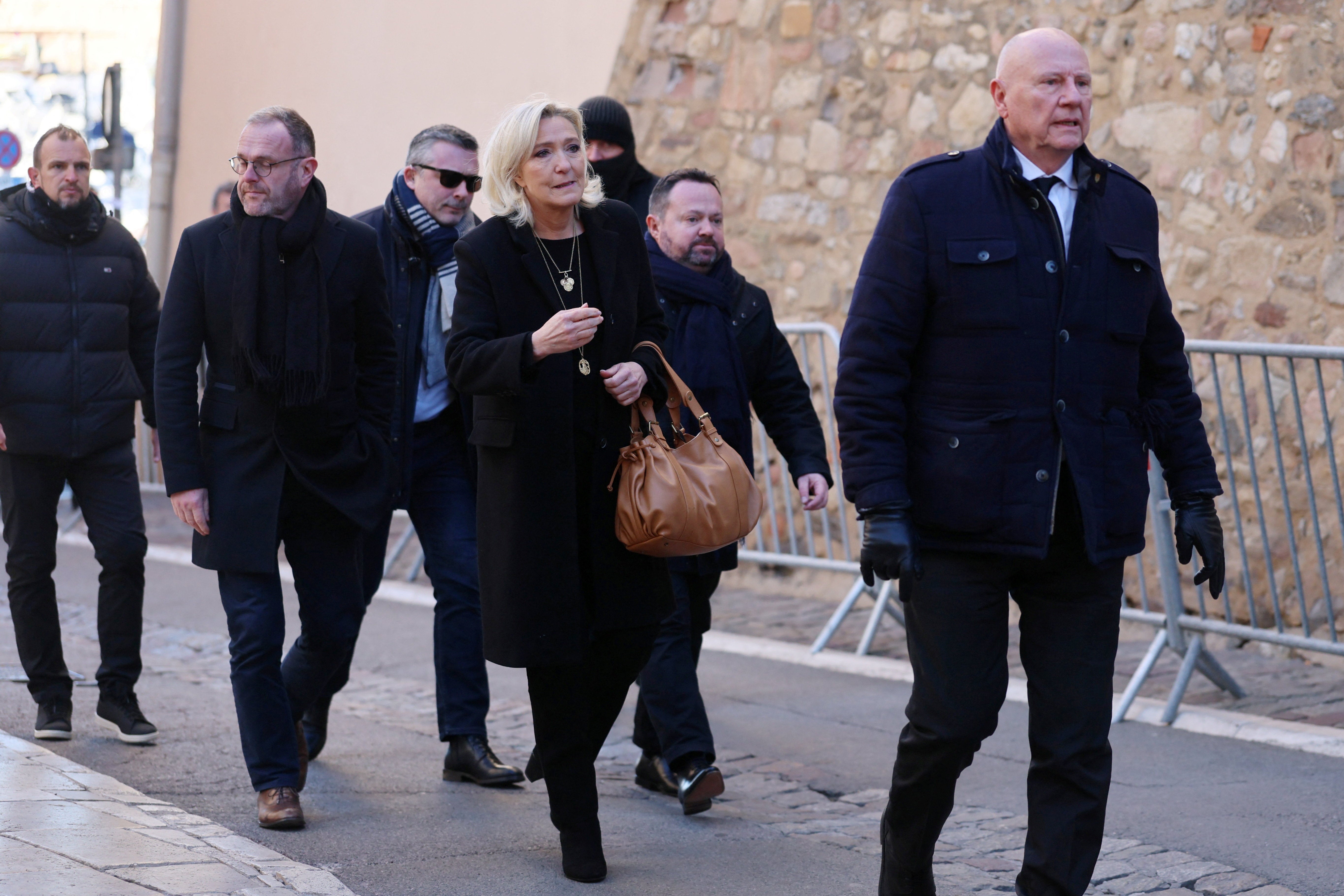
As her coffin was carried through the town’s narrow streets, residents and fans applauded the funeral convoy, paying their respects to a woman once among the world’s most photographed and a defining figure of 1960s cinema.
The service at the Notre-Dame-de-l’Assomption Catholic Church began with Maria Callas’s "Ave Maria," attended by Bardot’s husband, son, grandchildren, invited family guests, and representatives from the Brigitte Bardot Foundation for the protection of animals.Max Guazzini, a close friend and secretary general of the Foundation, delivered a poignant speech.
"Sadness is overwhelming, and pain too," he said, continuing with a vivid image: "We’re going to dream about her as if we were sleeping. In our dream, Brigitte arrives in a great, white immensity and suddenly … thousands of seals arrive. All the animals she saved and she loved form a procession behind her … Thousands of animals say: Brigitte, we will miss you, we love you so much, thank you."
Hundreds gathered in the small town, watching the farewell on large screens erected at the port and in two main plazas. Bardot is to be buried "in the strictest privacy" in a cemetery overlooking the Mediterranean Sea.
Saint-Tropez had long been her sanctuary from the intense celebrity that made her a household name.
A public homage was scheduled for Wednesday afternoon, allowing admirers to reflect on the woman whose image once symbolised France’s post-war liberation and sensuality.
Last week, the town hall declared: "Brigitte Bardot will forever be associated with Saint-Tropez, of which she was the most dazzling ambassador. Through her presence, personality and aura, she marked the history of our town."
Bardot settled decades ago in her seaside villa, La Madrague, having retired from filmmaking in 1973 at the age of 39, following an international career spanning more than two dozen films.
She subsequently became a prominent animal rights activist, establishing and sustaining a foundation dedicated to animal welfare. While she stepped away from the film industry, she remained a highly visible and often controversial public figure through decades of militant animal rights activism and her associations with far-right politics.
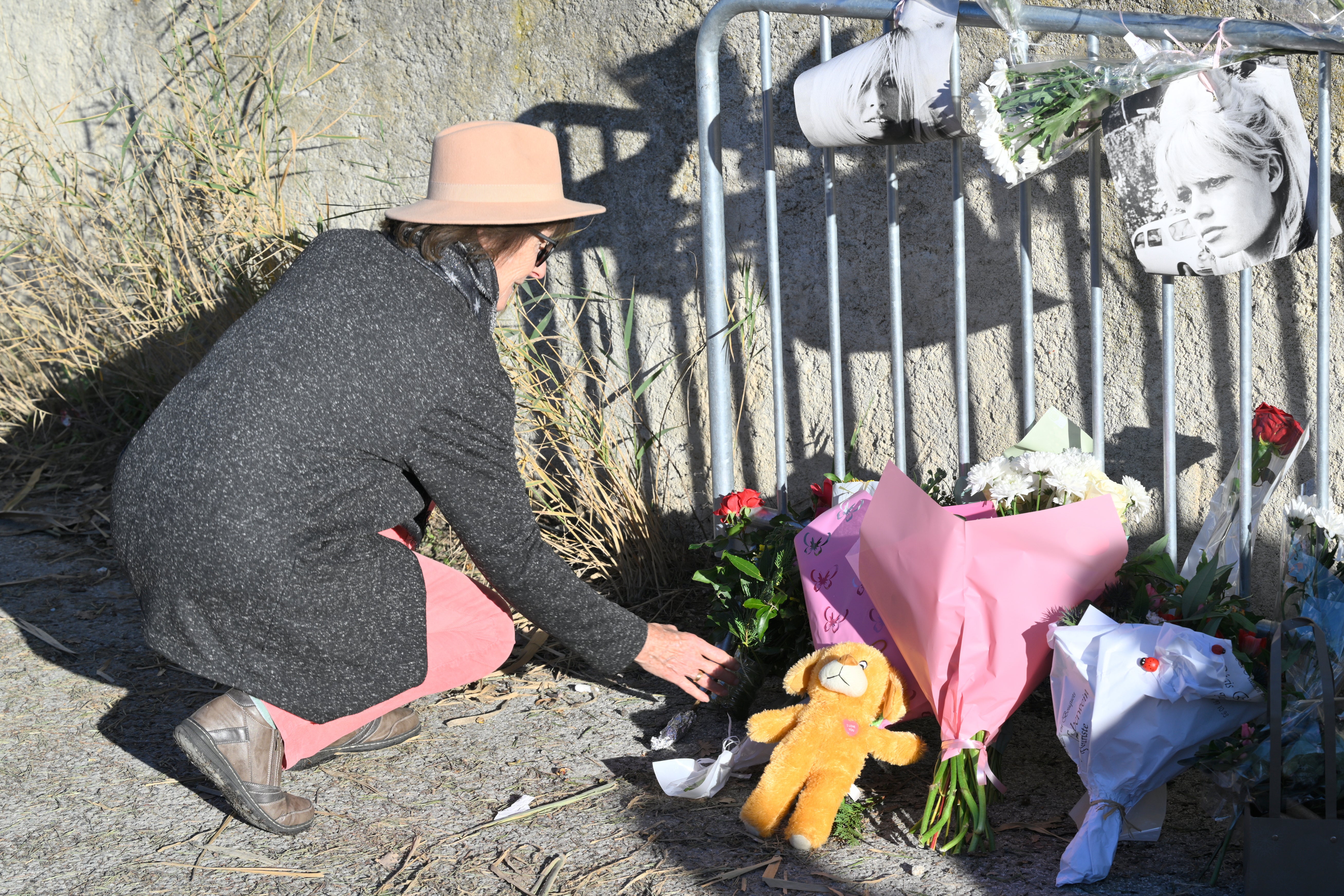
Her final resting place will be the marine cemetery, where her parents are also interred. This cemetery, with its views of the Mediterranean, is also the burial site for several cultural figures, including her first husband, filmmaker Roger Vadim, who directed her breakthrough film, And God Created Woman, the role that propelled her to global stardom.
Brigitte Bardot’s cause of death revealed ahead of icon’s Saint-Tropez funeral
David Spade thinks George Clooney will get less political after ‘bailing’ for France
Brigitte Bardot: How the original ‘sex kitten’ courted controversy until the end
Brigitte Bardot’s funeral to be held next week in Saint-Tropez
Rose McGowan brands Weinstein a ‘thug’ who ruled Hollywood by fear
Laura Dern says ‘nepo baby’ criticisms are ‘absurd’ and ‘insane’