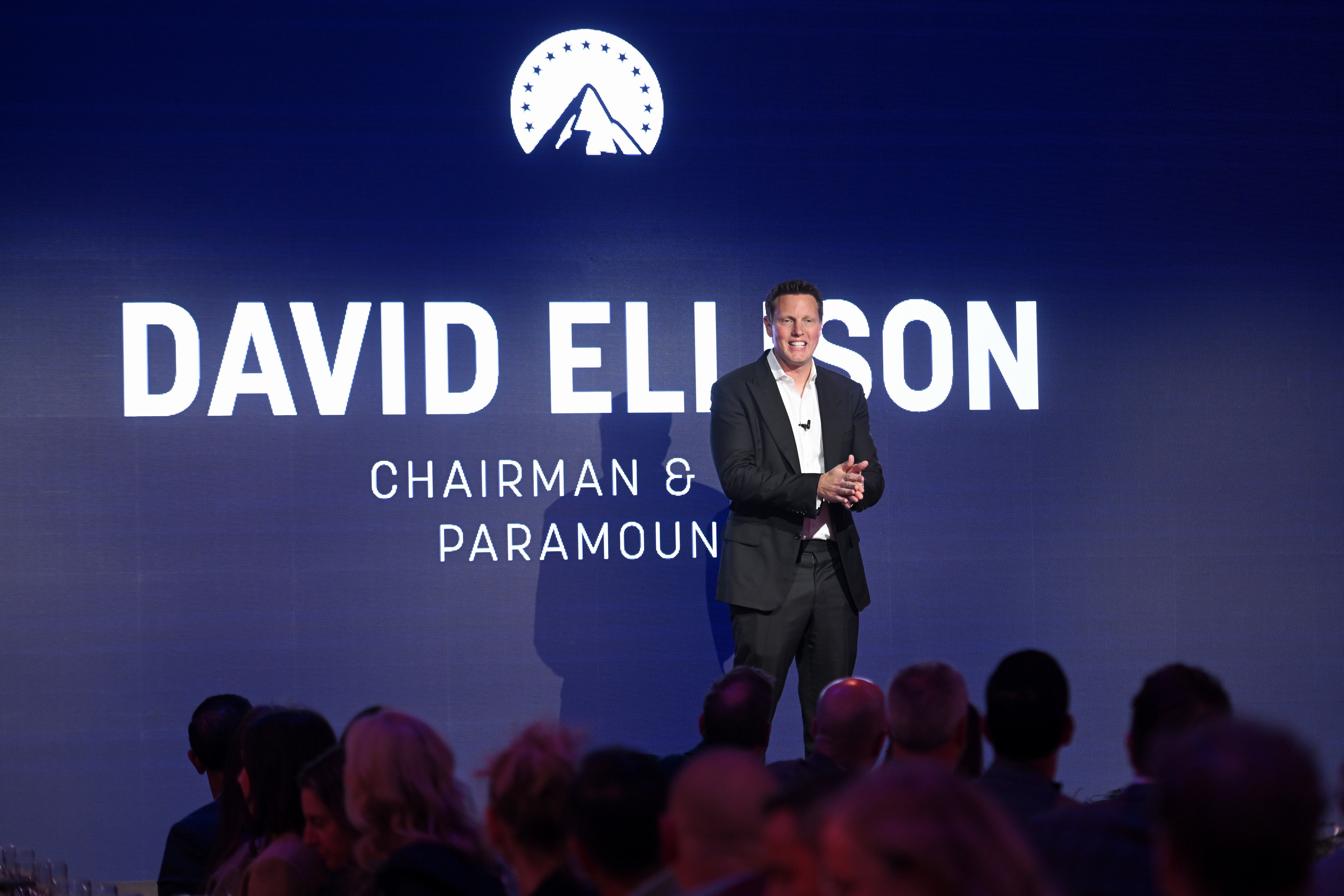
Paramount is considering leaving its Hollywood headquarters amidst CEO David Ellison’s $110 billion takeover of Warner Bros. Discovery, according to reports.
Ellison, an ally of President Donald Trump, is being urged by people close to him to consider relocating his corporate headquarters out of California, taking much of its $30 billion in planned spending elsewhere, people familiar with the discussions told Semafor.
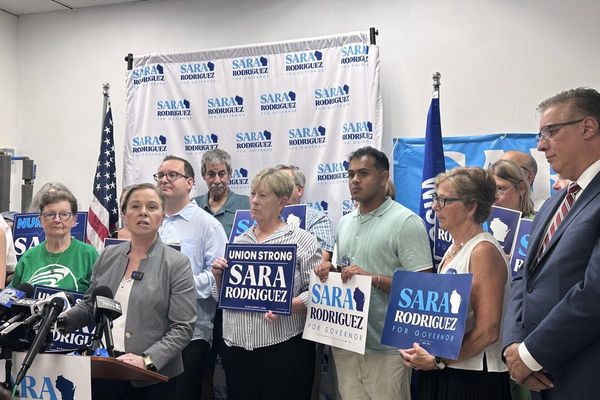
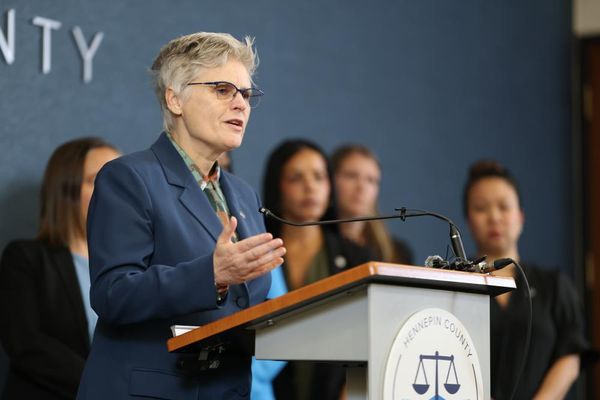
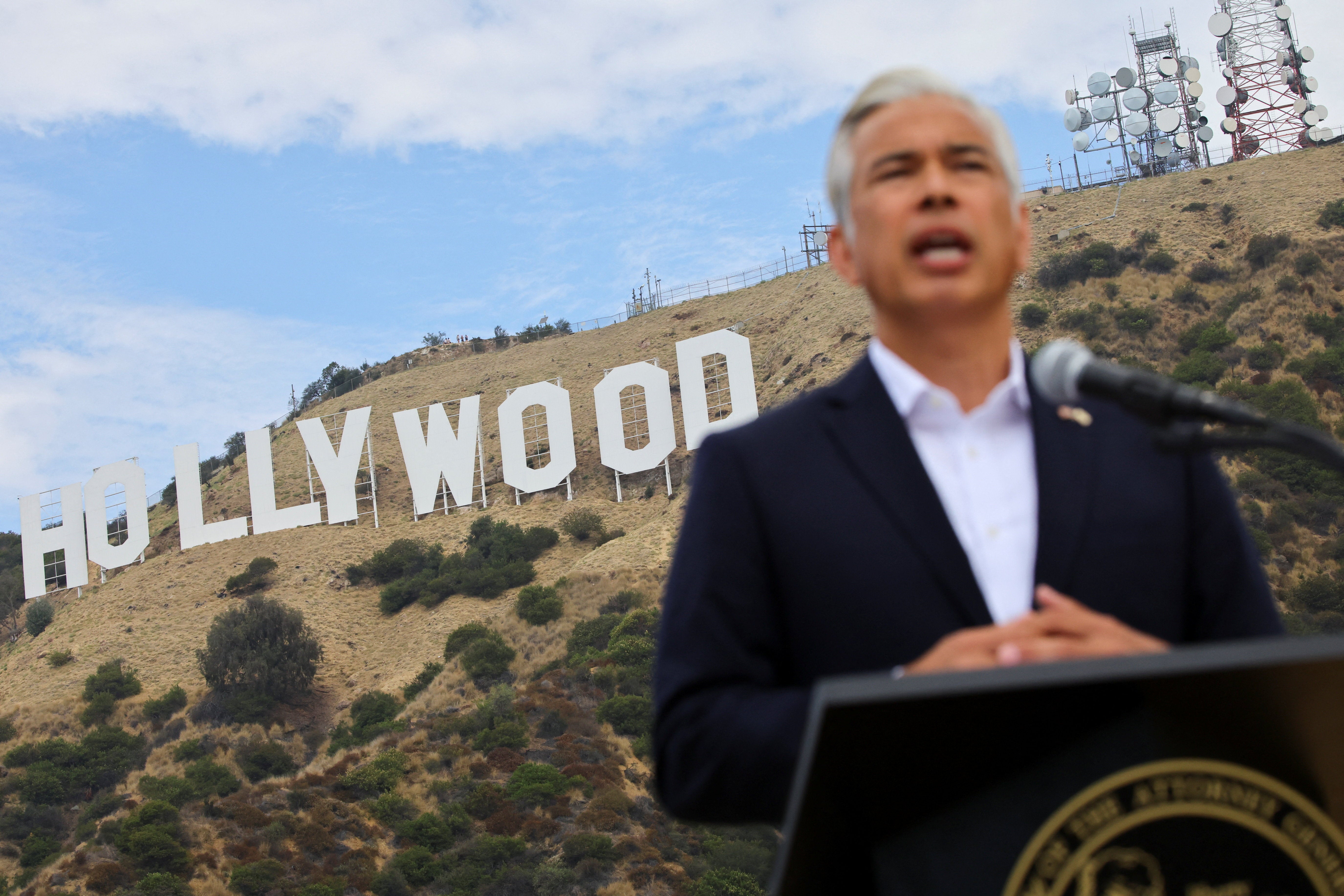
The move comes as a coalition of 12 attorneys general, led by California’s Attorney General Rob Bonta, filed a lawsuit Monday to block Paramount’s acquisition of Warner Bros. Discovery.
However, no decisions have been made regarding a move, Semafor reports. It was not immediately clear if any specific states were being considered for a potential move. The Independent has contacted Paramount for comment.
California’s attorney general filed the multi-state lawsuit with the attorneys general in Arizona, Colorado, Connecticut, Massachusetts, Minnesota, Nevada, New Jersey, New Mexico, New York, Oregon and Washington.
The lawsuit alleges that combining the two companies — two of the largest media and entertainment giants in the U.S. — violates antitrust laws. The states also say that it will stifle competition, cut jobs in film and television, raise prices for consumers and reduce variety and quality of content.
The states allege a violation of the Clayton Act, which is an antitrust law that prevents mergers or monopolies that would reduce competition. The states have asked Paramount not to close the deal until the case is decided — and say they will file a temporary restraining order if they do.
“The unlawful merger of these two entertainment behemoths would lead to higher prices, lower quality and less content for film and television, harming movie theaters, basical cable distributors, and ultimately, audiences of every sofa and movie theater seat in the U.S.,” Bonta said in a statement announcing the lawsuit.
The merger of Paramount and Warner Bros. Discovery would see CBS, CNN, HBO, Nickelodeon and the Warner Bros. and Paramount film studios, among other properties, all under the same roof, sounding alarm bells from Hollywood actors and directors as well as First Amendment advocates.
Thousands of actors and industry professionals have voiced “unequivocal opposition” to the deal, saying that consolidation will lead to job loses and few choices for film makers and movie goes, the Associated Press reports.
In a statement to The Hollywood Reporter, Paramount said the lawsuit “reflects a fundamentally flawed application of the antitrust laws and is wrong on both the facts and the law.”
“The combination of Paramount and WBD will create a stronger, well-capitalized, creative-first media company that is better positioned to compete with companies like Netflix that have come to dominate the industry for audiences, premium content, and creative talent,” the statement said.
“Put simply, any attempt to block this transaction undermines the very principles antitrust law is designed to promote: more competition, more choice for consumers, and more opportunities for creators and workers,” it continued.
Last month, the Justice Department signed off on Paramount’s bid to purchase Warner Bros. Discovery, claiming that the transaction poses no threat to competition across streaming, traditional television or the film industry.
Bonta, the California attorney general, also noted Trump’s relationship with the Ellisons during a press conference, saying, “Antitrust enforcement is a check on billionaires currying favor with the president so he’ll do their bidding.”
The Independent has contacted the White House for comment regarding Bonta’s comments.
Critics of the deal have questioned whether political influence of Trump, who is close with the Ellison family, may have had a role in the deal. Ellison’s father, Oracle scion Larry Ellison, has spent billions to back the bid for his son’s company. The Justice Department has also maintained that politics would not play a role in the regulatory process.
If Paramount acquires Warner Bros., four studios will control over 85 percent of all wide-release theatrical films. These feature-length movies have made up 98 percent of all box office revenue over the past four years, according to the lawsuit.
“Movie theaters rely on competition between Paramount and Warner Bros,” the lawsuit says. “Through this competition, theaters incentivize creativity and quality, and they secure competitive prices and terms for themselves and for audiences.”
The lawsuit also claims that a merger would undermine the market for licensing of basic cable television. Paramount and Warner Bros. each have a massive arsenal of channels and special high-demand programs like March Madness and MLB games, meaning a merger would give Paramount “enormous bargaining power,” the filing claims.
Many critics of the deal are also worried about potential impacts it may have on CNN, a network known to draw ire from Trump and his allies, especially after Paramount’s CBS has seen significant editorial changes after coming under Skydance ownership last year.
Paramount has touted additional regulatory clearances that it's received in other countries, like China, Canada and Australia. However, other reviews remain in progress, including in the European Union and the U.K., which has suggested it may intervene.
Paramount and Warner have said they hope to close their deal during the third quarter of this year, and Paramount has pledged to give shareholders compensation if the acquisition does not close by September 30 in the form of a 25-cent per share “ticking fee” for every quarter past that date. It’s also agreed to a regulatory termination fee of $7 billion.