The U.S. job market presents a perplexing picture this year, appearing stable with consistent, if not spectacular, hiring following a sluggish 2025.
Yet, beneath these headline figures, a complex, contradictory reality emerges. While some sectors grapple with severe labor shortages, forcing premium wages, others leverage technology so effectively their need for new hires has diminished.
This creates an unusual scenario where the American labor market, typically either robust or struggling, is currently experiencing a blend of both.
For those employed, job security remains unusually high, with layoffs at historically low levels. Companies, still mindful of past labor shortages, are reluctant to shed staff.
This trend was underscored in July when unemployment benefit claims reached their lowest point in over 50 years; the jobless rate dipped to a one-year low of 4.2% in June, a figure expected to hold steady.
However, the landscape is tougher for jobseekers. In May, 27.5% of the unemployed had been out of work for six months or more, the highest proportion in four and a half years. Economists term this "no hire, no fire."
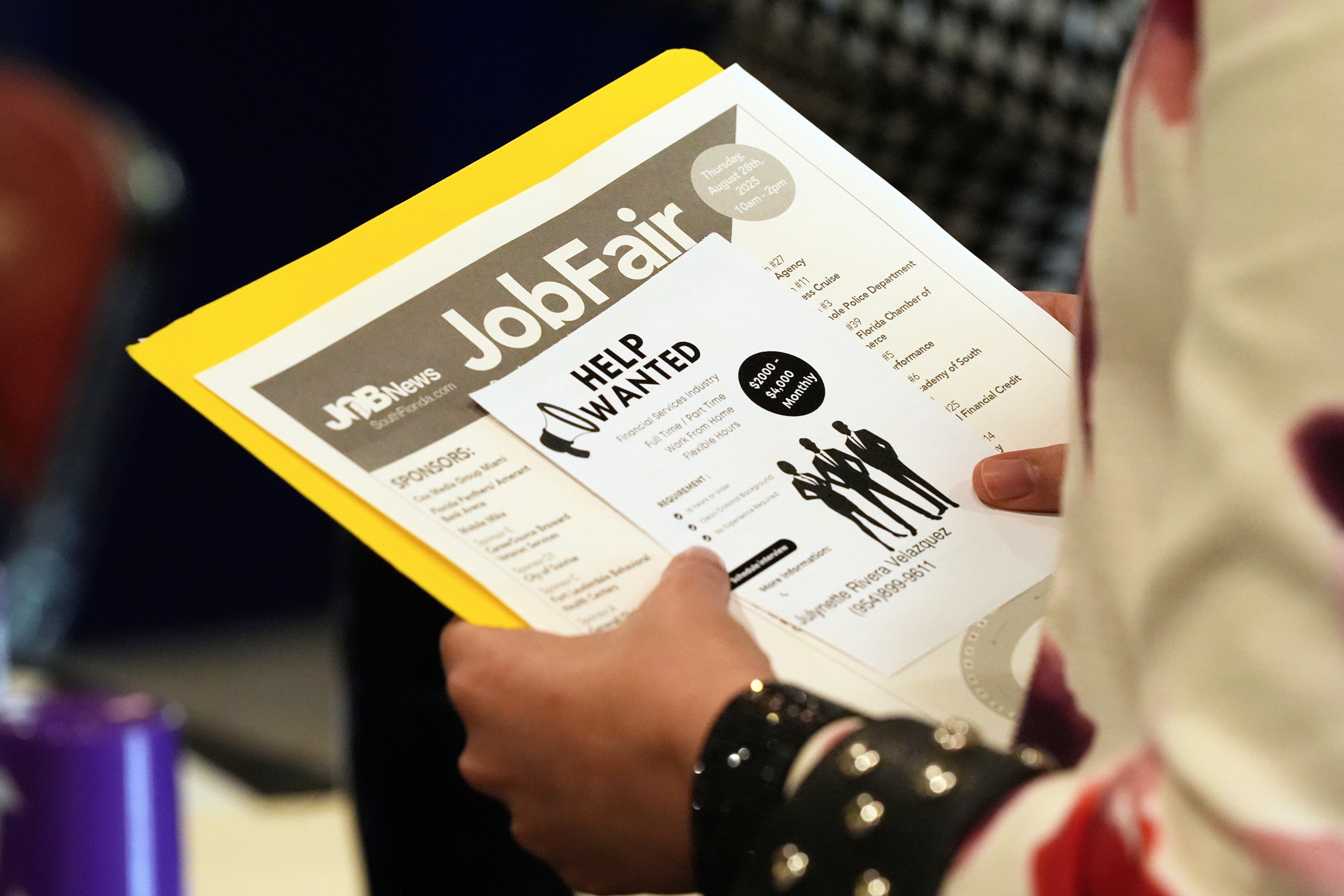
The Labor Department is set to release July employment figures this Friday, with expectations of nearly 98,000 jobs added by companies, government agencies, and nonprofits. This would represent a notable improvement over June's disappointing 57,000 positions and mark a continued recovery from 2025.
That year saw anemic job creation, with fewer than 10,000 jobs monthly – the weakest hiring outside a recession since 2002. High interest rates and uncertainty surrounding President Donald Trump’s economic policies were cited as factors discouraging companies from expanding their workforces then.
So far in 2026, employers have averaged 92,000 jobs per month. While historically unimpressive, the US now requires fewer jobs to prevent unemployment from rising. Factors like immigration crackdowns and baby boomer retirements mean a smaller pool of individuals competing for work.

The "break-even" rate of monthly hiring, 155,000 between 2023 and 2024, has plummeted, potentially nearing zero, according to a Federal Reserve study. Sal Guatieri, a senior economist at BMO Capital Markets, observed, "There are just fewer people available to hire."
This scarcity has led to higher wages for job changers, who saw a 7% raise last month, significantly outpacing the 4.4% increase for those who remained in their roles.
Simultaneously, businesses have become increasingly productive, leveraging technology to automate tasks. "We are seeing companies produce more with their current staff," Guatieri explained, "So there’s less need to take on new workers."

He concluded that worker shortages and rising productivity "will keep the lid on the rate of hiring and monthly job growth."
The broader outlook is further complicated by global events, including the Persian Gulf conflict driving up energy costs, and the burgeoning influence of artificial intelligence, which could either enhance worker efficiency or displace jobs entirely.
The June jobs report revealed a peculiar anomaly: 720,000 people exited the labor force, with a striking 700,000 (97%) aged 25 to 34. A shrinking labor force typically reduces competition and can artificially lower the unemployment rate.

Should this June drop prove a statistical quirk, and the labor force rebound, the unemployment rate could unexpectedly tick upwards. Furthermore, a report by Federal Reserve Bank of San Francisco researchers highlighted a surprising increase in the difficulty of securing employment.
Contrary to typical economic expansions, this recovery is not reaching workers at the margins. "Instead of being pulled in, the pipeline into employment is shrinking such that the recovery is no longer reaching workers at the margins," they noted.
Even those typically quickest to re-enter the workforce – prime working-age individuals (25 to 54) with college degrees – are struggling to find new positions.
San Francisco Fed researchers are still investigating the precise reasons for this challenging job search, speculating on factors such as immigration crackdowns, tech and government contractor slowdowns, policy uncertainty, or "early signals of broader labor market deterioration."