No NHS services will be cut to fund a zero-tariff deal with the US, the Health Secretary has insisted amid questions over how much it will cost the UK.
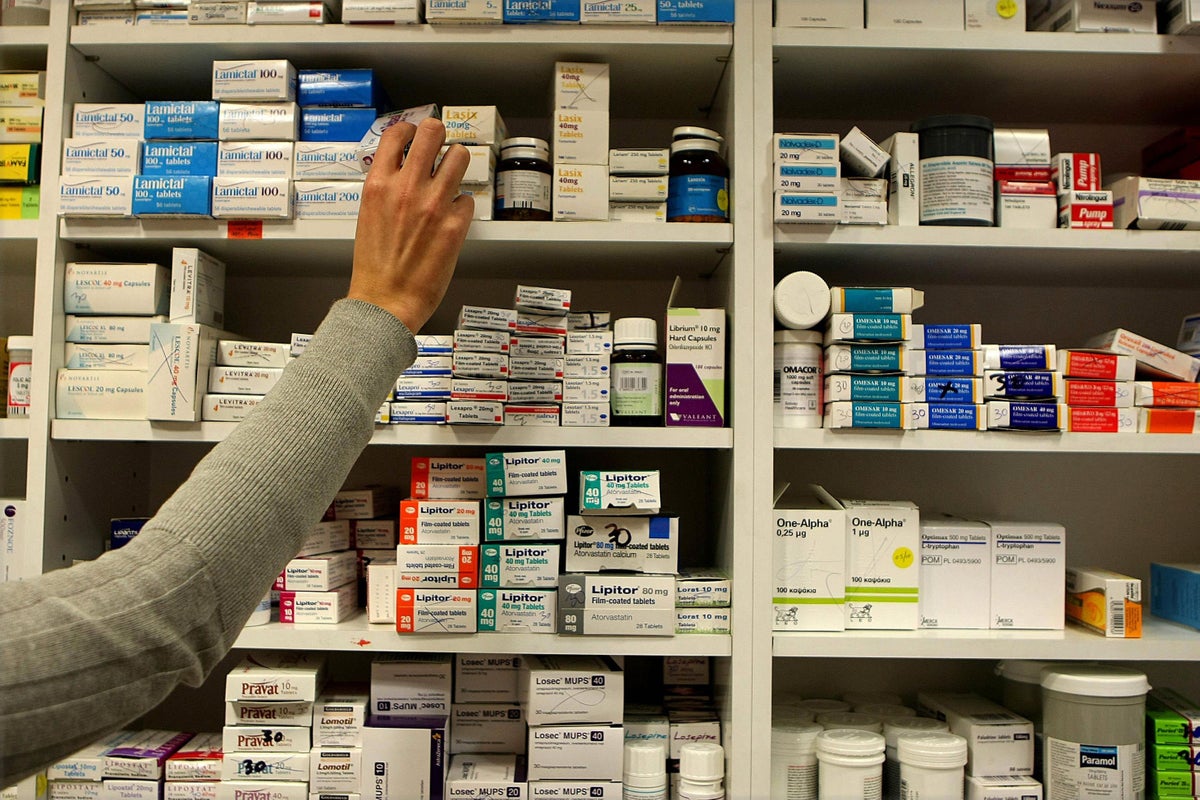
The deal keeps tariffs on imports of UK pharmaceuticals into the US at zero for three years in return for the NHS raising its threshold for spending on new medicines by 25%.
Downing Street has said the cost would start small and gradually increase to an estimated £1 billion by March 2029 as more new medicines are approved.
Mr Streeting echoed this, saying the cost was “highly variable” but rejecting a report it could cost £3 billion.
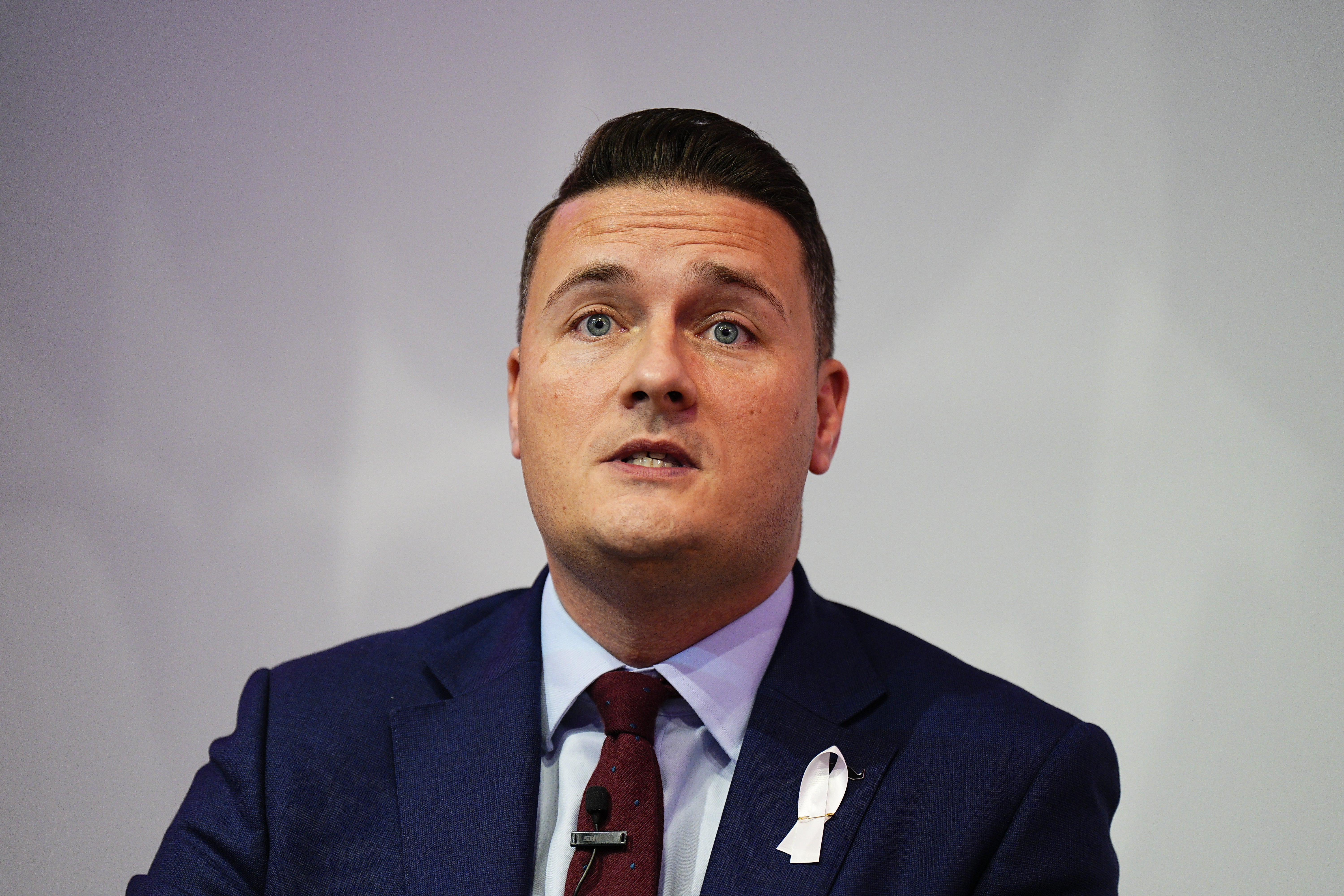
“I think we’re looking more like the order of magnitude of around £1 billion.
“And also … it really does depend on the level of medicine spend, the level of rebate and the level of investment we get in the UK,” he told BBC Radio 4’s Today programme.
Asked if any extra cost to bear would come from the existing NHS budget, he said: “We’re not going to cut NHS services to fund the pharma deal”.
The agreement sees the UK’s threshold for what it can pay for new medicines raised by 25%, meaning some that would have been declined as too costly can be approved – such as breakthrough cancer treatments and therapies for rare diseases.
The Office for Budget Responsibility (OBR) estimated in its forecast last week that a 25% rise in spending on branded medicines would equate to £3.3 billion between now and 2028-29.
The Prime Minister’s spokesman said on Tuesday the cost was “not something we can pre-empt” because it depends on which drugs come to market and are approved for use on the NHS.
The agreement also includes lowering repayment rates on NHS drug prices to 15% from 2026.
This is the amount that drugs firms pay back to the NHS to ensure it does not overspend its allocated budget for branded medicines.
The US will not pay import taxes for three years on medicines and treatments under the deal, which the Trump administration has said will boost UK investment in US drug firms.
It comes after warnings that US pharma firms would shut down their sites in the UK if the NHS did not pay more for drugs.
Earlier this month, US ambassador Warren Stephens said further American businesses will axe future investments if “there are not changes made and fast”.
The row has been seen as a reason why US-based Merck and AstraZeneca cancelled or paused investments in the UK in recent months.
‘Breakthrough’ whooping cough vaccine launched after huge spike in cases
GOP and Trump cling to victory in ‘too close’ Tennessee election: Latest
Opposition to doctors’ strike at record high as Streeting blasts Christmas walkout
Zara owner enjoys sales boost as shoppers tap into winter trends
Major UK supermarket to give away ‘wonky’ Christmas trees
Sainsbury’s shares fall as Qatar ends near-20 year spell as biggest investor