
Greek authorities have rescued over 300 migrants coming mainly from Bangladesh, Egypt, Yemen and Sudan over the last two days, officials said on Tuesday.
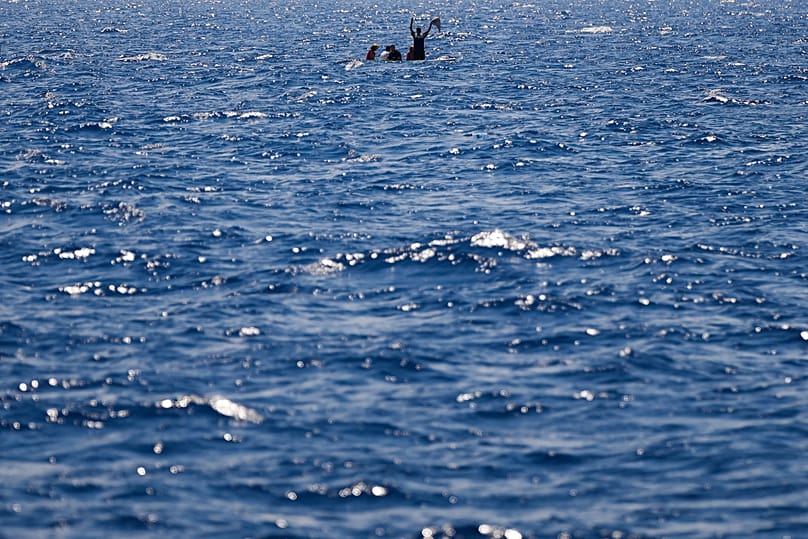
Nearly half of them were rescued on Monday off the island of Crete, the coast guard said, adding that they were travelling on at least three makeshift vessels.
Search operations continued on Tuesday despite strong winds in the area, they said.
A coast guard official said the migrants were being held by Cretan police and would be transferred to reception centres on the Greek mainland.
Crete has become the main gateway for asylum seekers arriving mainly from Tobruk in eastern Libya, a perilous crossing.
At the end of March, 22 people died while adrift in the Mediterranean after leaving from Libya and their bodies were thrown overboard, according to survivors who were rescued off Crete.
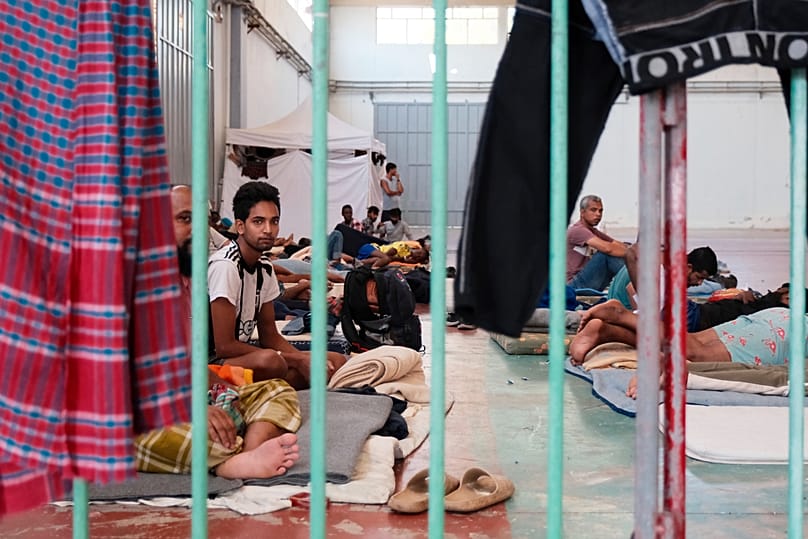
According to data from the International Organisation for Migration, 559 people died in the Mediterranean between January and February, compared with 287 for the same period last year.
In March, the European Parliament endorsed a major tightening of the bloc’s migration policy in a bid to stem the crossings, approving the concept of “return hubs,” designed to send migrants to non-EU third countries, like the UK’s Rwanda initiative.
Those proposals have been criticised by rights groups as inhumane.
Due to the increase in migrant arrivals in Crete during the summer tourist season last year, Greece suspended the asylum application procedure for three months, drawing criticism from the UN and rights bodies.
Greece's conservative government strongly supports moves by the European Union to crack down on illegal migration, including the setting up of "return hubs" outside the bloc to house failed asylum seekers.
But tighter EU borders and migration deals with African countries have failed to reduce the number of departures from Africa, but merely temporarily diverted irregular routes, according to a report by the International Centre for Migration Policy Development (ICMPD), seen by Euronews.
The ICMPD, an organisation that works for the EU and European governments to develop migration policies, analysed the major mobility trends in Sub-Saharan Africa, revealing that "recent patterns show that intensified controls do not necessarily reduce overall mobility but instead redirect movement towards alternative, often longer and riskier routes."
In recent years, the EU has expanded its migration partnerships with African countries such as Tunisia, Egypt, Morocco, Senegal, and Mauritania.
These agreements typically involve local authorities strengthening border controls to curb irregular departures toward Europe, while the EU provides financial support and invests in a wide range of development and cooperation projects in return.