When US president Donald Trump began his second term in office, it was on the promise of putting “America first”.
For many of his MAGA supporters, that meant rejecting interventionist policies that had overextended the country’s military commitments across the globe.
His National Security Strategy, published last year, promised that “the affairs of other countries are our concern only if their activities directly threaten our interests”.
But since his return last January, the US commander-in-chief has pursued an aggressive foreign policy, greenlighting military strikes on multiple countries, seizing oil tankers and overseeing the shock overnight capture of Nicolas Maduro that led to the decapitation of the Venezuelan government.

Other targets have included Iran, Iraq and Somalia, among others. Trump is far from the only US president to launch military action in the Middle East - Biden, Obama, Clinton, both Bushes, and Reagan have all done so over the last 50 years. The US also has a long-running history of intervention in Latin American countries.
On Saturday 28 February, Trump said the US was carrying out “major combat operations” in Iran, warning that there could be US casualties. Strikes were carried out with Israel, who said they had carried out a “pre-emptive attack” against Iran.
The US President told the members of the Islamic Revolutionary Guard, Iran's armed forces, to lay down their weapons, promising that they would be granted immunity. The other option, according to Trump, is "certain death."
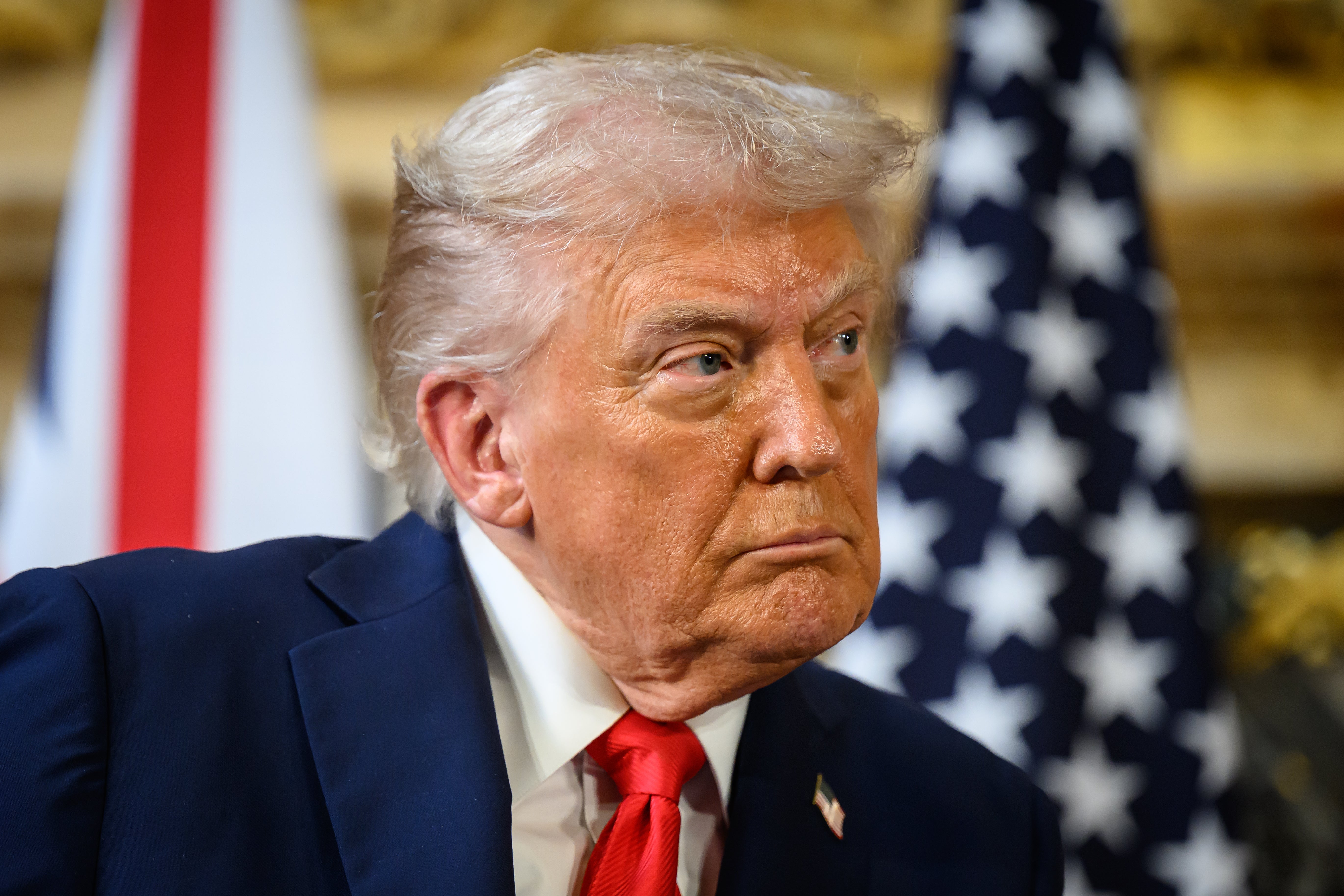
Below The Independent looks at the countries where Trump has taken military action in the last 12 months, and where he could strike next.
Somalia: Targeting Isis and al-Shabab
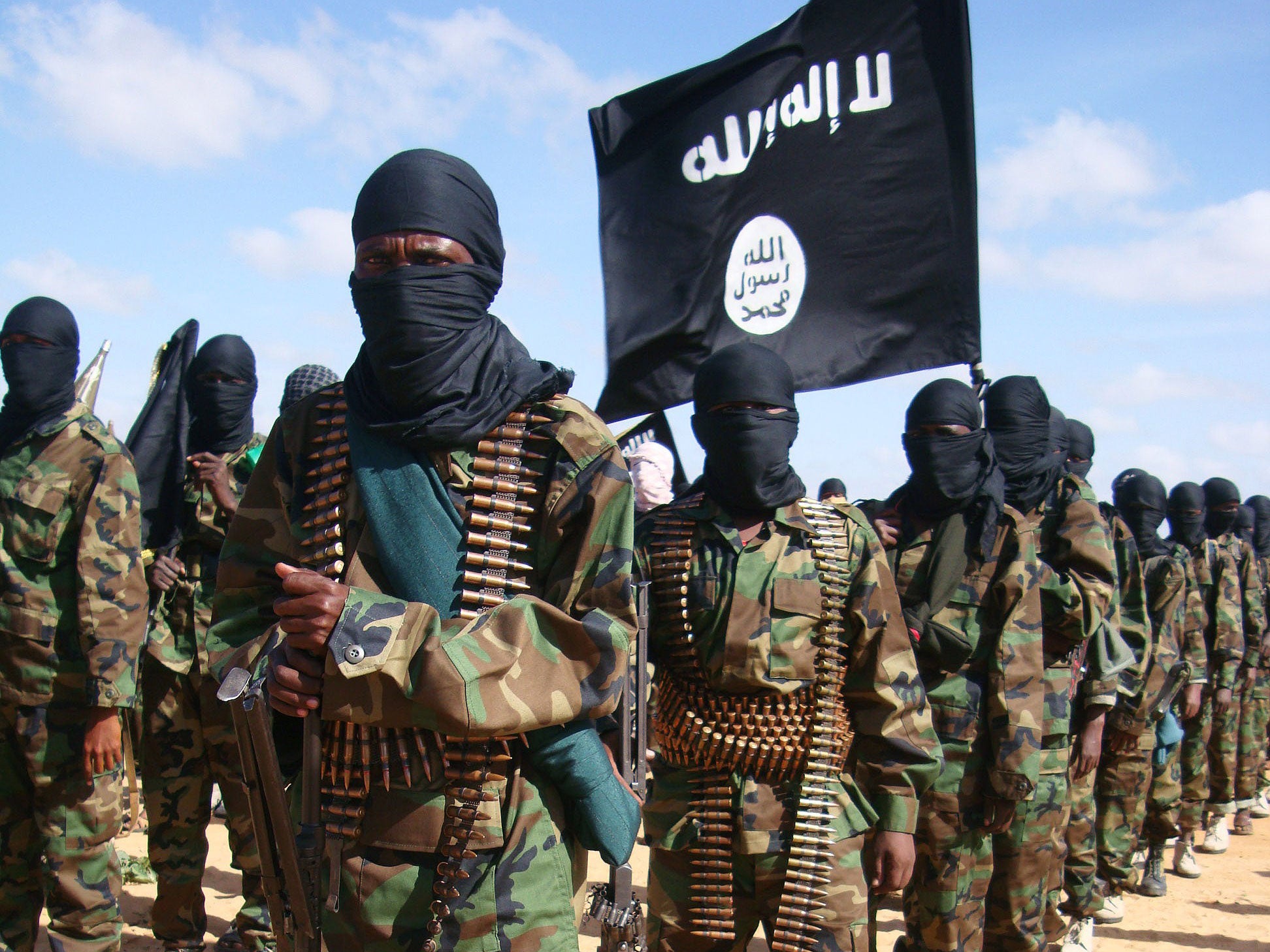
In February last year, 10 days after his inauguration, Trump launched a series of military strikes against Isis key figures in Somalia.
“The strikes destroyed the caves they live in, and killed many terrorists without, in any way, harming civilians. Our Military has targeted this Isis Attack Planner for years, but Biden and his cronies wouldn’t act quickly enough to get the job done. I did!” Trump said.
“The message to ISIS and all others who would attack Americans is that “WE WILL FIND YOU, AND WE WILL KILL YOU!”
Further attacks on Isis, and the Islamist paramilitary group al-Shabab, were launched in January this year.
According to think tank, New America, Trump has so far launched 135 strikes in the country in his second term, more than the entire Bush Jr, Obama and Biden presidencies combined.
Meanwhile, Somalia has become a lightning rod for MAGA Republicans, with Trump calling the country a “hell hole” and repeatedly attacking Somali immigrants in the US as “garbage who contribute nothing”, comments that have sparked widespread backlash.
Iraq: Hunting down Isis figureheads
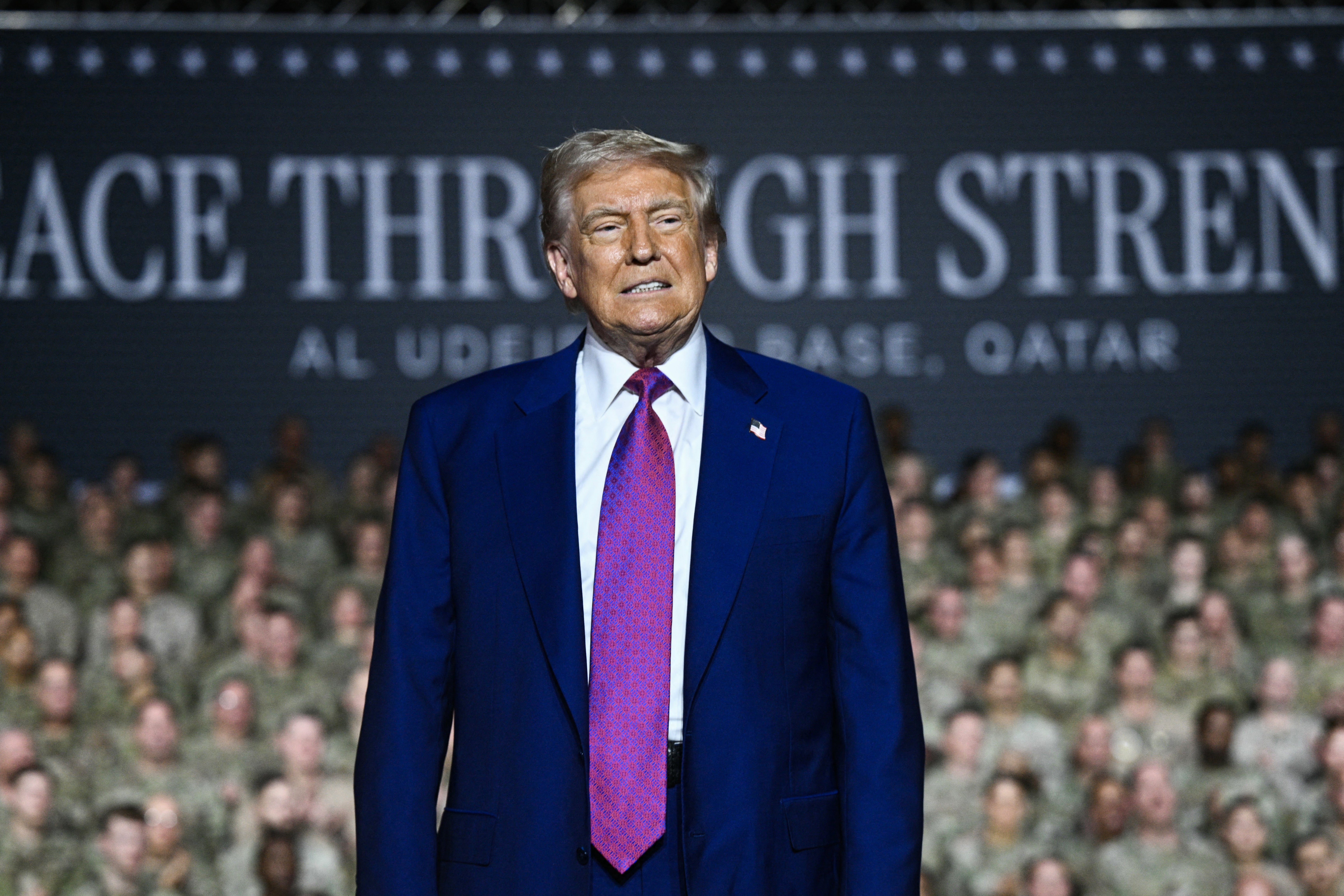
The US conducted several counterterrorism operations against Isis in Iraq in March 2025. Trump praised the operation as an example of “peace through strength”.
According to the US CENTCOM, the precision airstrike killed Isis’s second-in-command, Abdallah “Abu Khadijah” Makki Muslih al-Rifai, in the Al Anbar province of Iraq.
Posting the update on X with a portrait picture of himself, Trump wrote at the time: “Today the fugitive leader of ISIS in Iraq was killed. He was relentlessly hunted down by our intrepid warfighters. His miserable life was terminated, along with another member of ISIS, in coordination with the Iraqi Government and the Kurdish Regional Government. PEACE THROUGH STRENGTH!”
The operations were a continuation of an ongoing campaign of targeting ISIS in Iraq, begun during President Barack Obama’s tenure in 2014, and dubbed Operation Inherent Resolve.
Yemen: Retaliation for Red Sea ship attacks
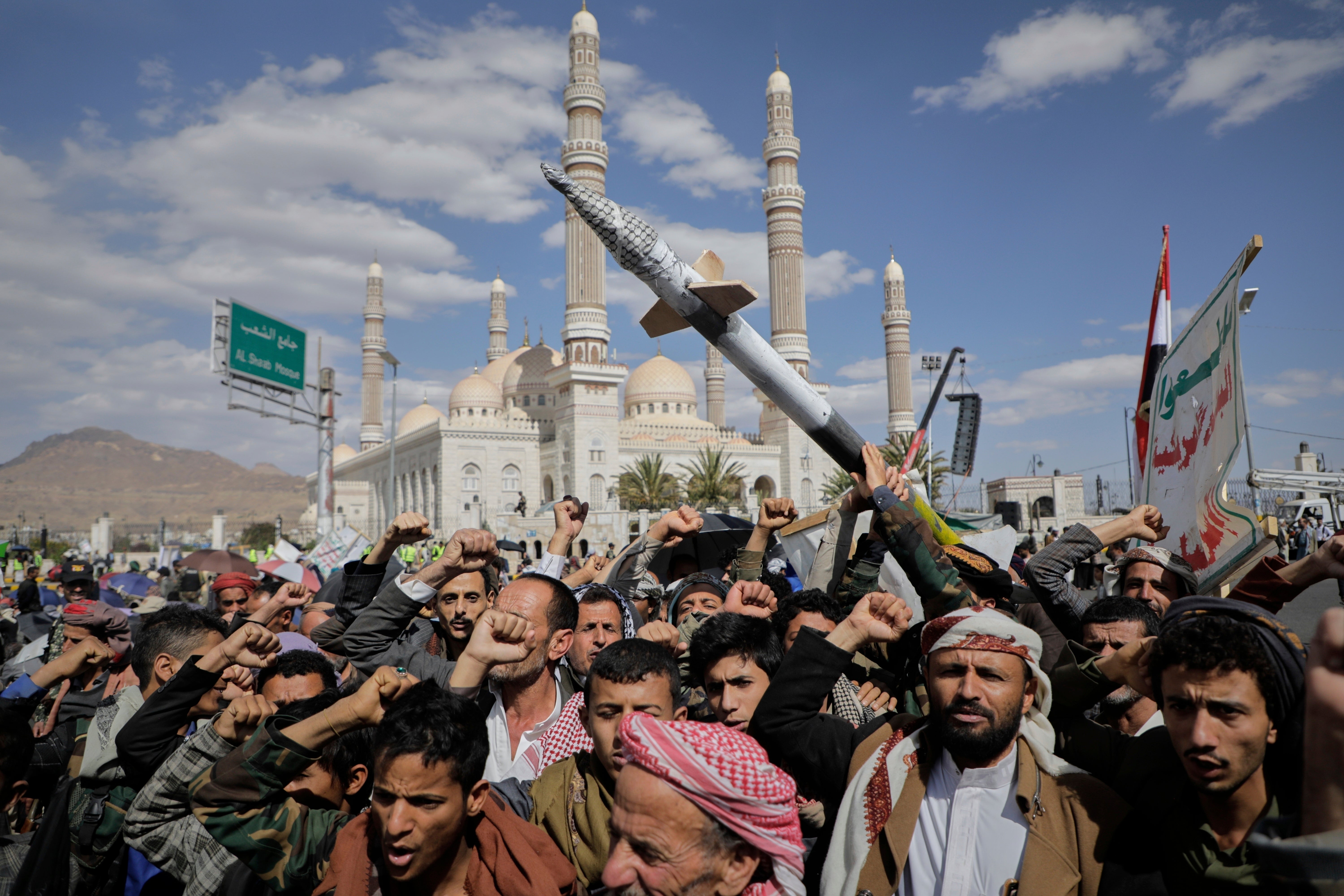
Trump launched bombings against Yemen’s Houthi rebels in March 2025 after a wave of attacks by the group against ships in the Red Sea that were in response to Israel’s war in Gaza.
The United States is reported to have carried out more than 1,100 strikes, killed hundreds of Houthi fighters, and spent more than $1 billion over the 52-day campaign, officials told the New York Times.
Despite the bombardment, rebels began attacking cargo ships in the Red Sea again in July.
The Iran-backed group captured and sank a Greek-owned bulk carrier named ‘Magic Seas’ using drones, missiles, and rocket-propelled grenades, forcing its 22 crew members to abandon ship.
The next day, the Houthis sank another Greek-operated vessel called ‘Eternity C’, leaving at least four dead and 15 missing.
Iran: ‘Major combat operations’

President Donald Trump launched “major combat operations” in Iran on 28 February, warning that there may be US casualties.
The strikes, which Trump said were aimed at destroying Iranian missiles and annihilating its navy, follow repeated US and Israeli warnings that they would strike Iran again if it pressed ahead with its nuclear and ballistic missile programmes.
Trump told the members of the Islamic Revolutionary Guard, Iran's armed forces, to lay down their weapons, promising that they would be granted immunity.
The other option, according to Trump, is "certain death." Trump said that Iran had “rejected every opportunity to renounce their nuclear ambitions”, adding: “We can’t take it anymore”.
In June last year, the International Atomic Energy Agency warned Iran was violating its non-proliferation commitments and had enough enriched uranium to potentially develop nine nuclear bombs.
Within days, Israel launched airstrikes on Iran’s nuclear facilities and aTwelve Day War began. Iran launched a wave of missile and drone strikes in response.
The US then intervened and launched a series of bombing raids on Iran’s nuclear sites.
“We have completed our very successful attack on the three Nuclear sites in Iran, including Fordow, Natanz, and Esfahan,” the president wrote on Truth Social at the time. “All planes are now outside of Iran air space. A full payload of BOMBS was dropped on the primary site, Fordow.”
A ceasefire was agreed the next day, but tensions between the US and Iran resumed in January this year after widespread protests across the country that prompted a ruthless government crackdown, with human rights groups warning of thousands dead.
Trump, backing the anti-regime protesters, warned repeatedly he would take action against Iran if the killings continued.
Venezuela: Drug trade, regime change and oil
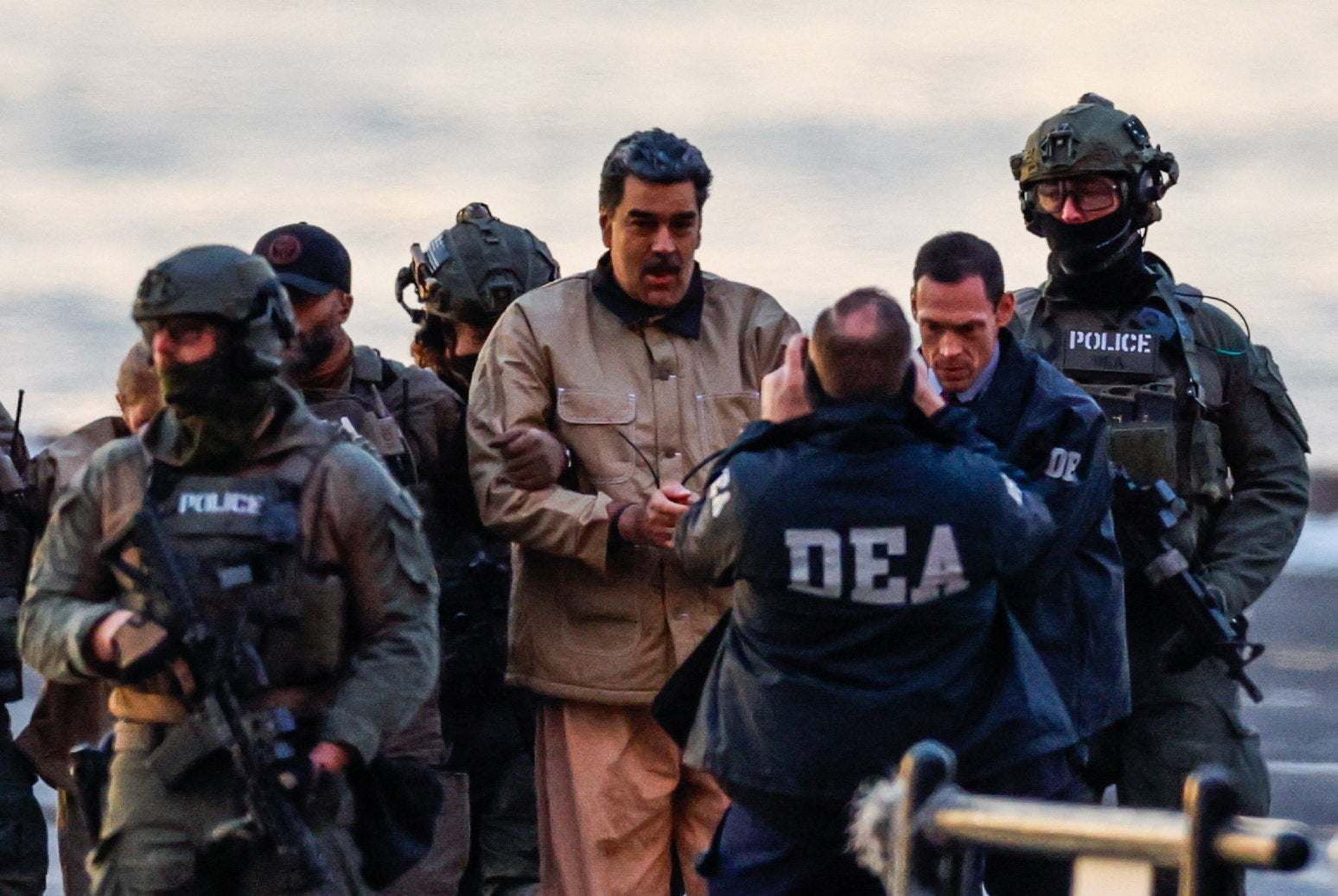
The US began attacking alleged “narco-terrorist boats” off the Caribbean coast of Venezuela in September 2025, which later expanded to the Pacific Ocean.
The administration claimed it was taking action to stem the flow of drugs into the United States, with Trump accusing Venezuela’s then president of being a top-level member of drug cartel, “Cartel de los Soles”.
At least 123 people are reported to have been killed in the operations, which UN and legal experts criticised for being “extrajudicial killings”.
Between 10,000 and 15,000 American troops were stationed near the country as Trump reportedly gave Maduro an ultimatum to surrender.
Then, on 3 January, US special forces raided Maduro’s residence in Caracas in Operation Absolute Resolve. Maduro was removed from office and extradited to the US to appear in a New York court to face criminal charges.
Trump officials have said the US is “not at war with Venezuela” and that it is not planning any further military action, though the president also said, “we're not afraid of boots on the ground”.
In the days after the raid, Trump announced the US would be taking over sales of Venezuelan crude oil across the globe and said the government in Caracas was providing Washington with between 30 and 50 million barrels of formerly sanctioned oil to sell.
Syria: Retaliation for US deaths
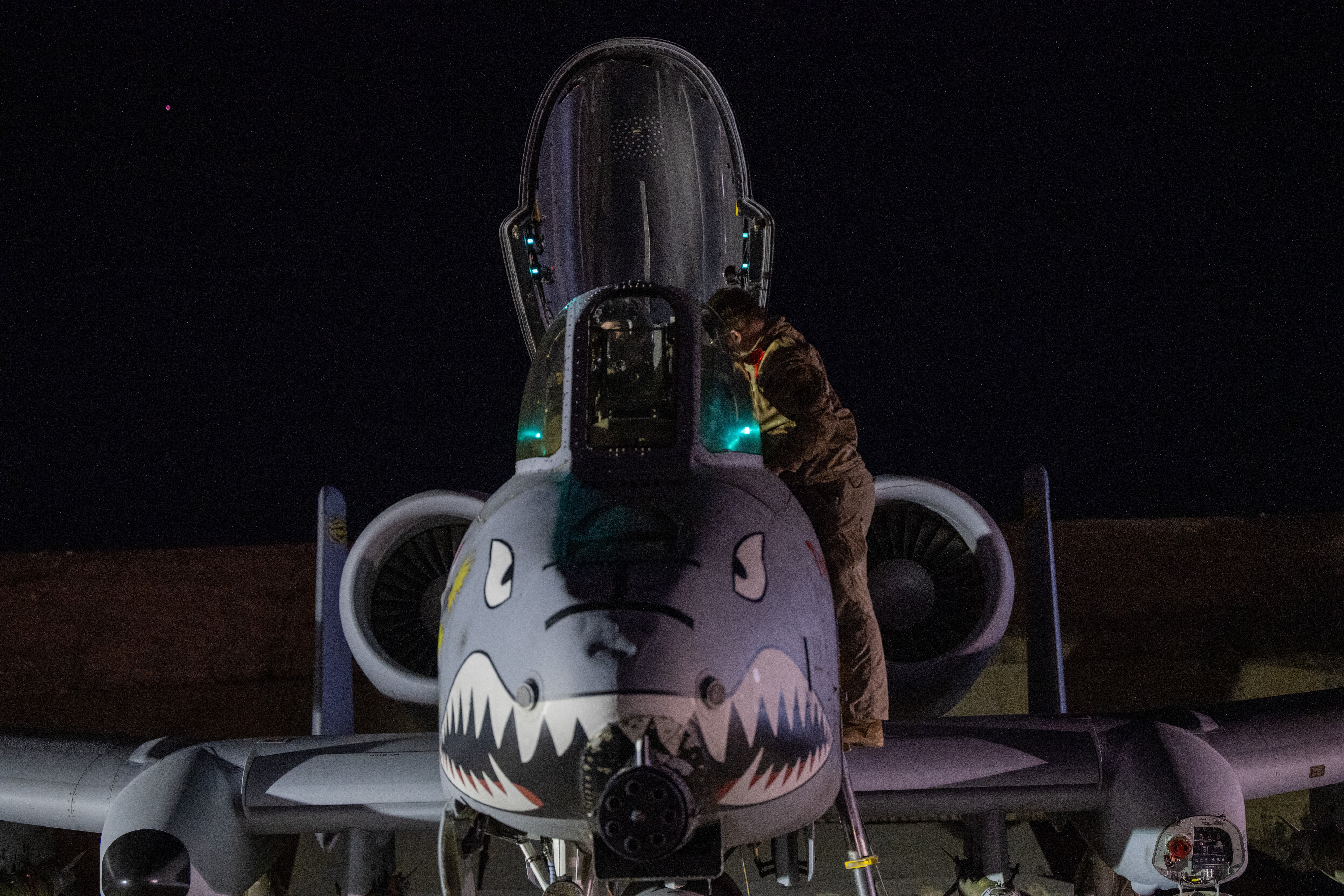
US Central Command (CENTCOM) launched Operation Hawkeye Strike against Isis in Syria, in coordination with Jordan, on 19 December 2025. The most recent attacks took place earlier this month.
The operation was a direct response to the killing of two US soldiers and a civilian US interpreter.
Three additional US military personnel and two members of Syria’s security services were injured in the attacks. Trump blamed Isis for the attacks, but Syrian officials said the attacker was a disgruntled member of the security services facing dismissal over allegations of holding extremist views.
An unnamed US official told CNN that the January operation had launched 90 precision munitions at more than 35 targets, using over two dozen aircraft.
Earlier operations took place in November, with the US military joining the Syrian armed forces to destroy 15 Isis weapons caches in southern Syria.
Nigeria: ‘Protecting Christians’

On Christmas Day 2025, Trump ordered strikes against Isis targets in Nigeria after he accused the group of targeting Christians. The US military confirmed “multiple fatalities” after camps in Sokoto state near the border with Niger were hit during the strikes.
US secretary of defense Pete Hegseth said of the attacks: “The President was clear last month: the killing of innocent Christians in Nigeria (and elsewhere) must end. The @DeptofWar is always ready, so ISIS found out tonight — on Christmas.”
He added: “Grateful for Nigerian government support & cooperation. Merry Christmas!” He then warned: "More to come…" Trump said that the attacks were “powerful and deadly” and “at levels not seen for many years, even centuries!”
A defense department official told The Independent that the strikes had been carried out with the knowledge and cooperation of the Nigerian government.
Could Cuba, Colombia or Mexico follow Venezuela?
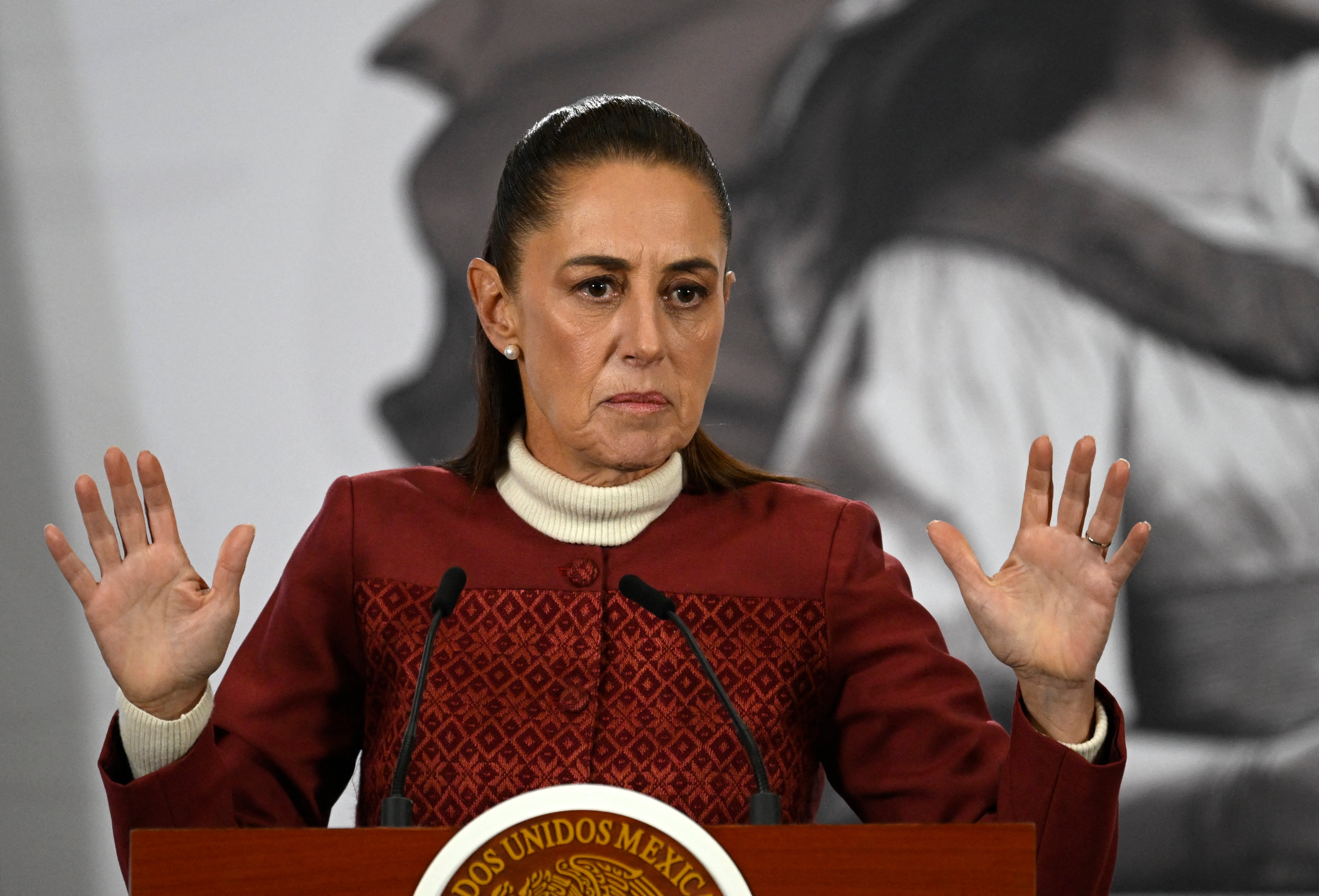
Mexico has long been a target of Trump’s anger with the president blaming their government for failing to deal with drug cartels and preventing the flow of migrants across the border.
He warned the country, which has been led by left-wing president Claudia Sheinbaum since October 2024, “has to get their act together” or “we’re going to have to do something”.
US secretary of state Marco Rubio said in January that he believes Cuba is “in a lot of trouble” following the capture of Maduro, a key ally.
“I’m not going to talk to you about what our future steps are going to be and our policies are going to be right now in this regard,” Rubio told NBC. “But I don’t think it’s any mystery that we are not big fans of the Cuban regime, who, by the way, are the ones that were propping up Maduro.”
Trump also warned Colombian president Gustavo Petro – one of his fiercest critics on the international stage – that the South American country could be his next target.
“Colombia is very sick, too, run by a sick man, who likes making cocaine and selling it to the United States, and he’s not going to be doing it very long,” he told reporters while on board Air Force One.
Greenland and brewing tensions with Nato
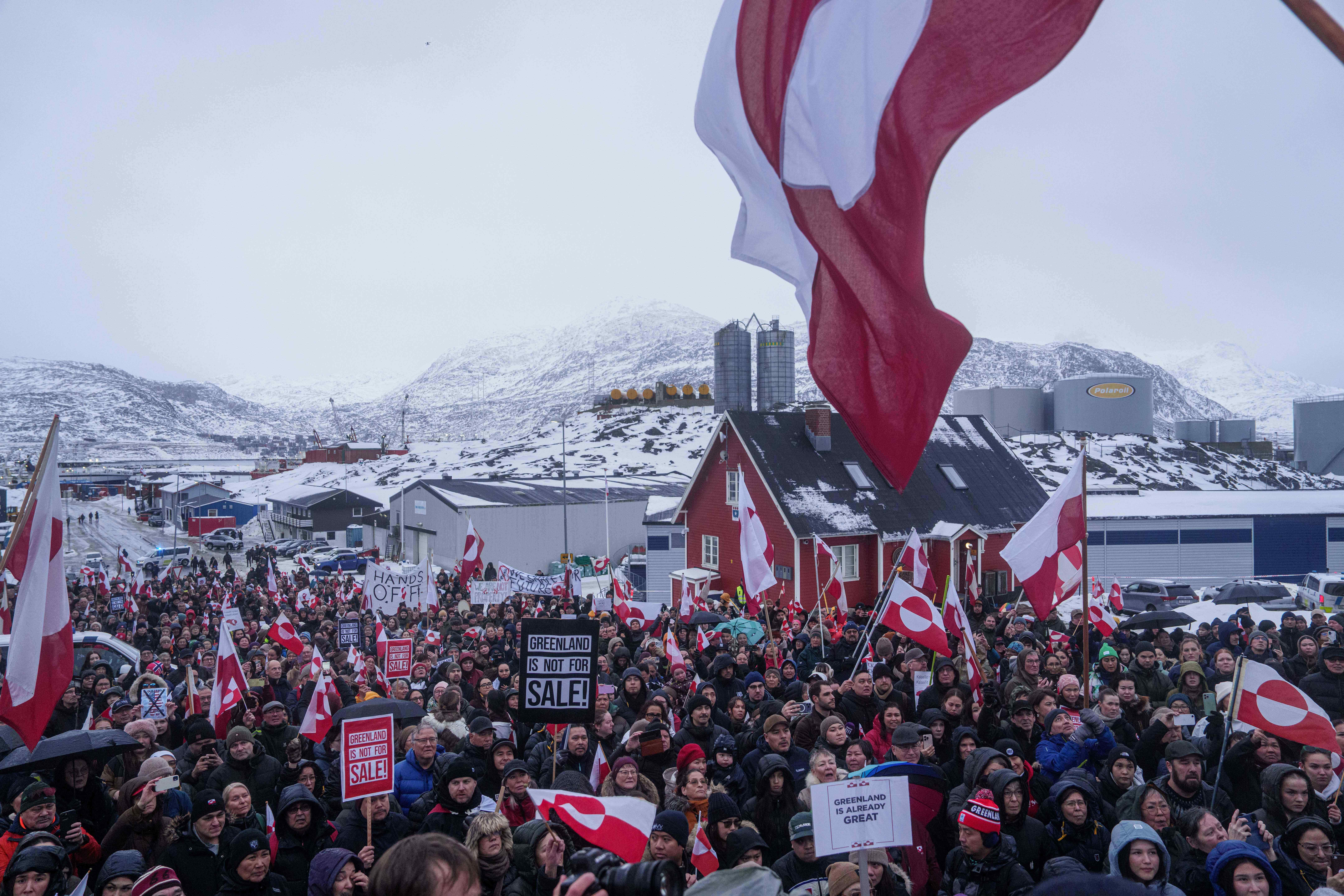
Trump has had his sights set on purchasing the semi-autonomous territory of Greenland since 2019, but has ramped up his rhetoric in recent weeks and refused to rule out military action.
The president argues it is vital to ensure the “national security” of the United States and to prevent the island falling into the hands of Russia or China.
However, his threats have sparked backlash from Nato allies and European leaders amid fears Trump could fracture the long-standing alliance and play right into Vladimir Putin’s hands.
Denmark and the US have agreed to set up a working group to discuss ways to resolve their differences, but Trump remains adamant that anything less than US control is unacceptable.
Tensions have continued to mount throughout January, with European troops from Germany, France and Sweden deployed to the region, and Trump threatening tariffs against any country that stands in his way.
“The larger picture of Trump’s foreign policy is one of transactional disruption rather than strategic leadership,” Aurélien Colson, academic director at the ESSEC Business School Institute for Geopolitics & Business, told The Independent.
Colson says that Trump’s National Security Strategy exposed his intent to “undermine the EU as a political and strategic actor”. The document claimed that the continent was facing “civilisational erasure”.
“The so-called ‘Donroe Doctrine’ openly revives a logic of spheres of influence,” he explains. Trump joked that the Monroe Doctrine – associated with exerting control over the Western hemisphere and warning about a Europeanisation of America – could now be dubbed the “Donroe Doctrine”, a clear indication of his intentions.
But, while Trump has made some historic statements and carried out unprecedented military action, Colson says that much of his behaviour can be interpreted as bluster.
“Trump’s moves are driven less by coherent geopolitical objectives than by a mix of narcissistic posturing (which even his own administration finds difficulties to cope with), domestic political signalling, and personal financial interests: from his admiration for strongmen to policies that align with opaque business networks, including crypto-financial channels,” he says.
“What he appears to seek is not a stable international order, but a world in which power is personalised, deals are opaque, and loyalty matters more than rules. The consequences are deeply negative, of course, for the world order, and for specific states such as Ukraine, but also for the USA: alliances are weakened, American credibility eroded, and strategic rivals emboldened.”
Colson explains: “Far from ‘America First’, the outcome is increasingly ‘America Isolated’: mistrusted by partners and progressively less able to shape the rules of the international system it once led - to its own benefit.”
Canada: No military threats yet for Trump’s ‘51st state’
In December 2024, Trump began to tease that some of his supporters had expressed support for Canada to be annexed to become part of the United States.
He had threatened to impose tariffs on Canada unless it increased its military spending and fortified its border security.
The president has ruled out the use of military force to annex Canada, but said he would use “economic force” instead. Trump has continued to reiterate his desire to make Canada the “the 51st state”, throughout his second term.
His comments have sparked a furious backlash in the country and sparked a boycott of American products.
A poll conducted by Angus Reid poll last October suggested nearly half of Canadians (46 per cent) want their government to approach the US as an "enemy or potential threat".
From F35s to warships: Inside Trump’s mega arsenal behind Iran strikes
Iran latest: US and Israel launch strikes as Trump confirms ‘major combat operation’
Trump says Iran threatened Europe as he confirms strikes on Tehran
Ukraine war latest: Missiles pound energy infrastructure in Russia’s Belgorod
‘Is he still talking?’ Biden rebukes Trump over lengthy State of the Union
RFK Jr. mocked after suggesting Americans eat liver over beef to save on groceries