KEY POINTS
- Conservative figures and groups like Nick Sortor and PragerU supported ending birthright citizenship, arguing the 14th Amendment was not intended for children of undocumented immigrants.
- The Supreme Court has agreed to review President Trump's executive order aimed at ending birthright citizenship for children born in the US to undocumented immigrants.
- This policy change has been blocked by lower courts, which deemed it unconstitutional.
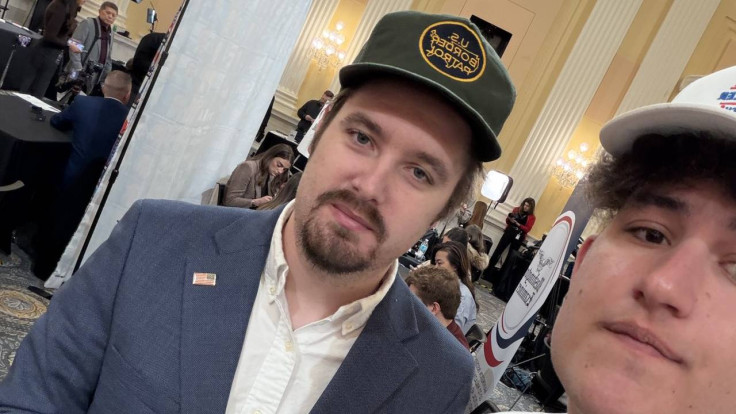
The US Supreme Court has agreed to hear President Donald Trump's controversial bid to end birthright citizenship, setting up a landmark legal showdown that could redefine who qualifies as an American citizen, as conservative influencer Nick Sortor erupted in celebration on social media, hailing the ruling as a major victory in the fight against illegal immigration.
The decision opens the most serious legal challenge to birthright citizenship in more than a century. Oral arguments are expected in 2026, with a final ruling likely by June of that year.
The case centres on Trump's executive order, signed on his first day back in office, which seeks to deny automatic citizenship to children born in the US to parents who are either unlawfully present or in the country on temporary visas.
'Anchor Babies Have NO Right to Citizenship'
Sortor, known for his outspoken conservative activism and frequent appearances on right-leaning media outlets, responded within hours on X, praising the Supreme Court's move and attacking birthright citizenship.
'LET'S GO!!! Anchor babies from illegals have NO RIGHT to be automatic citizens,' he wrote in a post that quickly gained traction and ignited fierce online debate.
Right-wing media organisation PragerU echoed his reaction, claiming the original intent of the citizenship clause had been distorted.
'The authors of the 14th Amendment would have been horrified to learn what would become of the "citizenship clause",' the group stated.
🚨 BREAKING: The Supreme Court has just agreed to hear President Trump’s case BANNING birthright citizenship in the U.S.
— Nick Sortor (@nicksortor) December 5, 2025
LET’S GO!!!
Anchor babies from illegals have NO RIGHT to be automatic citizens
The case will be heard by February 2026 pic.twitter.com/MCzzdXkRaq
Birthright Citizenship Under Fire
Birthright citizenship has been part of US law since 1869, following ratification of the 14th Amendment, which states: 'All persons born or naturalised in the United States, and subject to the jurisdiction thereof, are citizens of the United States.'
The amendment was adopted after the US Civil War to guarantee citizenship rights to formerly enslaved Black Americans. Conservative groups now argue it was never designed to cover the children of undocumented migrants or those with only temporary residency status.
Critics of the policy claim it incentivises illegal immigration, while defenders insist it remains a cornerstone of American constitutional rights.
Trump's Executive Order
On returning to office in January, Trump signed a series of immigration orders, including one targeting birthright citizenship.
The directive states that a child born in the US would not qualify for citizenship if one parent was 'unlawfully present in the United States' and the other was neither a US citizen nor a lawful permanent resident at the time of birth.
The order took effect on 19 February, but was immediately stalled by legal challenges and injunctions preventing enforcement.
Judges Block Ban as 'Unconstitutional'
Federal judges across multiple states swiftly blocked the policy, ruling that it violated the US Constitution and conflicted with Supreme Court precedent dating back to an 1898 ruling affirming automatic citizenship for those born on US soil.
The Trump administration appealed, and in June, the Supreme Court ruled that some lower courts may have exceeded their authority by imposing nationwide injunctions. However, the justices did not address the legality of Trump's ban itself.
On Friday, the court confirmed it would now formally hear the appeal challenging the injunction blocking the executive order.
The case stems from a class-action lawsuit led by the American Civil Liberties Union (ACLU) on behalf of families whose children would be stripped of citizenship rights under the proposed policy.
ACLU Pushes Back
Cecillia Wang, the ACLU's national legal director, condemned Trump's move.
'No president can change the 14th Amendment's fundamental promise of citizenship,' Wang said.
'For over 150 years, it has been the law and our national tradition that everyone born on US soil is a citizen from birth. Federal courts have unanimously held that President Trump's executive order violates the constitution, a Supreme Court ruling from 1898, and congressional law.'
A Policy With Global Implications
The United States is one of around 30 nations worldwide, mostly in the Americas, that grant automatic citizenship at birth.
Backers of Trump's plan argue that abolishing the policy would deter illegal immigration. Civil rights advocates warn that repealing birthright citizenship could leave tens of thousands of children stateless and undermine a constitutional safeguard that has endured for more than a century.
As the Supreme Court prepares to weigh in, the case is shaping up to become one of the most consequential immigration battles of Trump's second term, with sweeping implications for citizenship rights and constitutional law across the United States.