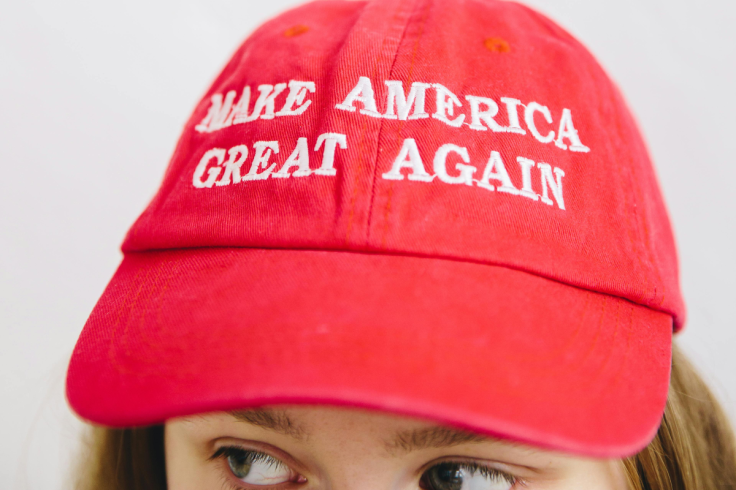
Sebastian Gorka, Donald Trump's senior director for counterterrorism, has questioned whether Tucker Carlson and Nick Fuentes remain part of the conservative movement, sparking fresh claims of a MAGA civil war.
The remarks came in a recent interview and have rapidly escalated tensions within the president's supporter base over foreign policy differences. As the Trump administration enters its second term, the comments have drawn widespread attention across conservative circles.
Gorka Questions Place of Carlson and Fuentes in Conservatism
In an interview with Breitbart editor-in-chief Alex Marlow, Gorka was asked about right-wing extremism under the new national counterterrorism strategy. He replied that an accurate view of the conservative movement was vital for effective policy. 'I'm not sure that Nick Fuentes or Tucker Carlson are conservatives,' Gorka said. 'If you are lauding Sharia law, if you are saying that there are Muslim states that seem to be better qualitatively than America in terms of freedom and prosperity, I'm not sure that means you're part of the conservative movement. So if you remove those individuals and you understand that they're not conservatives, what's left?' The point was to clarify boundaries rather than label threats, he later explained.
The exchange has been viewed by some as sidelining critics of the administration's Iran policy, where both Carlson and Fuentes have expressed reservations about recent decisions. The comments have fuelled online debate, with conservative pundit Alex Jones claiming Gorka had named the pair possible domestic terrorists in the context of the counterterrorism directive as reported by Newsweek.
Fact-checks from Newsweek and other sources indicate Gorka focused on ideological fit rather than security risks. Carlson and Fuentes have both criticised aspects of Trump's foreign approach, contributing to the perceived rift that some have labelled a MAGA civil war. An Instagram post from a verified account noted Gorka's suggestion that the figures could fall under scrutiny in extremism talks, further stoking the discussion among followers.
Reactions Highlight Deepening Rifts in MAGA Movement
The controversy underscores fault lines in the MAGA coalition, where questions of loyalty and ideology are increasingly prominent. Carlson retains a substantial following through his independent platform, while Fuentes appeals to a younger, nationalist audience with his America First views.
Their public differences with the White House have prompted some to re-evaluate their status within the movement. Gorka responded on X to the backlash, addressing Alex Jones directly with 'You silly little man. I said that Fuentes and Tucker aren't Conservatives, but Anti-MAGA. As are you.'
You silly little man.
— Sebastian Gorka DrG (@SebGorka) May 13, 2026
I said that Fuentes and Tucker aren’t Conservatives, but Anti-MAGA.
As are you.
For those not prostituting themselves for clicks, below is what the brand new U.S. Counterterrorism Strategy President @realDonaldTrump actually says.
No fringe podcasters. https://t.co/8WWsoEuCz4 pic.twitter.com/US5tDkVFAR
He shared details of the counterterrorism strategy to show it targeted actual violence, not commentators, and stressed no fringe podcasters were mentioned in the directive. This clarification has not entirely calmed the situation, as supporters of Carlson and Fuentes accuse the administration of intolerance for independent voices. The episode has also prompted wider commentary on the role of counterterrorism officials in political discourse.
Gorka Clarifies no Terrorism Label Intended
Gorka has stressed his role is counterterrorism, not politics, and that the strategy addresses genuine threats rather than ideological disagreements. The episode comes amid efforts to implement administration priorities, making internal divisions particularly noticeable at this early stage of the term.
As of mid-May 2026, the story continues to generate reaction on social media and news sites, with calls for unity from some quarters. Analysts say such spats reflect the challenges of unifying a diverse political base built around the MAGA identity. The MAGA civil war narrative may persist or subside depending on further responses from those involved.
Observers are monitoring whether the exchange leads to lasting realignments or remains a short-term flare-up in conservative discourse, potentially affecting the movement's cohesion ahead of future elections.