The King has sent his “heartfelt good wishes” and an impassioned environmental plea to astronauts preparing to blast off on Nasa’s first Moon mission in more than 50 years that will take them deeper into space than any human has gone before.
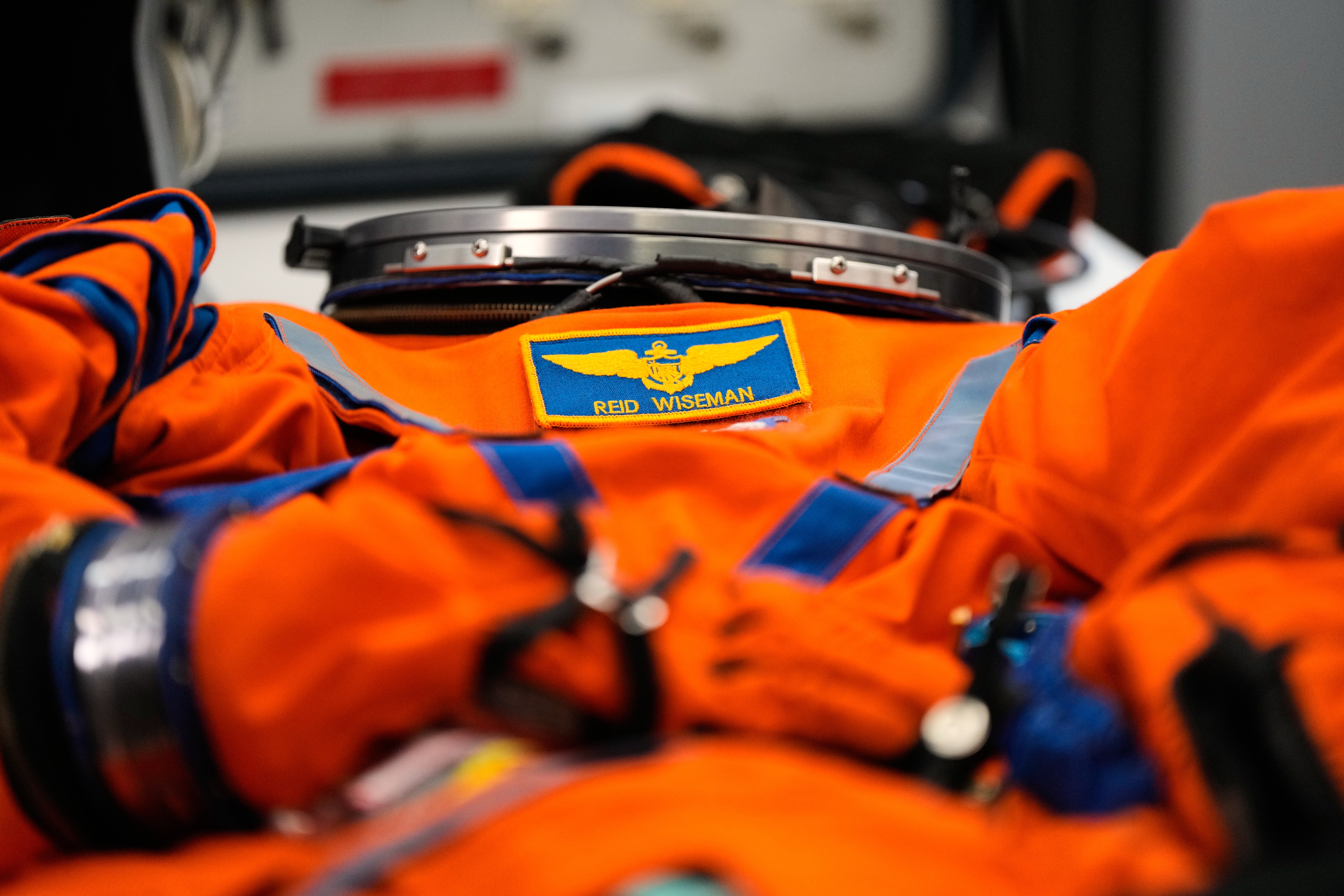
The royal message was sent to one of the four crew members, Colonel Jeremy Hansen, who is from Canada, where Charles is head of state.
In it, the environmentalist monarch expressed his hope the epic celestial voyage would renew the crew’s conviction “that we must learn from the lessons of how we have over-exploited and polluted our own planet”.
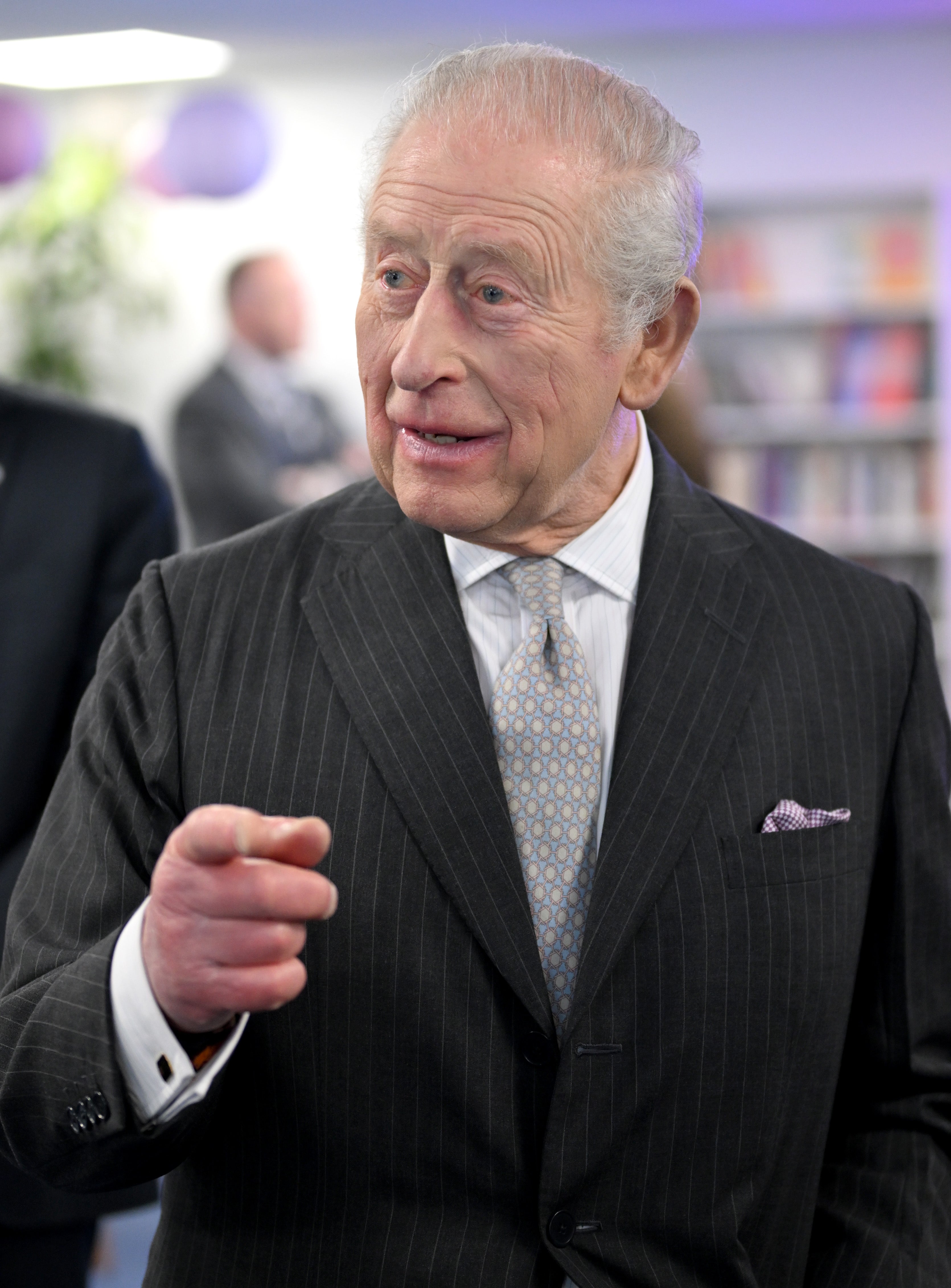
Amid the fresh space race, Charles said it was vital “that the Moon remains a beacon of peaceful scientific discovery rather than a theatre of exploitation”.
Back in 2023, the King launched the Astra Carta initiative aimed at promoting sustainable, ethical, and responsible space exploration.
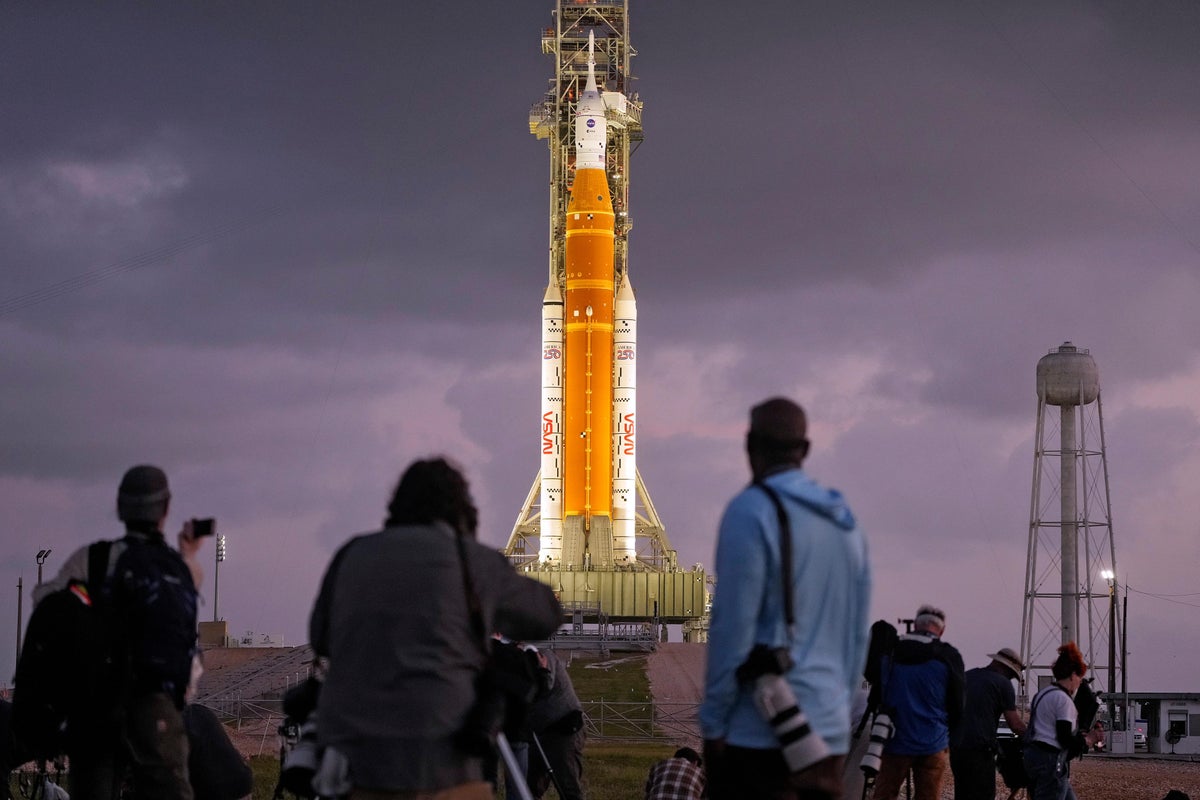
The astronauts are due to be launched into space aboard the 322-foot rocket from Cape Canaveral in Florida as early as 6.24pm local time (11.24pm UK time) on Wednesday, if weather conditions hold and barring any last-minute hitches.
Action. Wonder. Adventure. Artemis II has got it all. Don't miss the moment. Our crewed Moon mission will launch as early as April 1.
— NASA (@NASA) March 30, 2026
Learn how to watch: https://t.co/fAg0bGAqEc pic.twitter.com/2uhg8EhwTv
Ahead of them boarding, more than more than 700,000 gallons of fuel (2.6 million litres) needed to be loaded onto the craft.
The 10-day lunar flyby will send the crew some 252,000 miles (406,000 kilometres) into space before returning to Earth.
The current record for the furthest spaceflight is around 248,000 miles, held by the crew of the Apollo 13 lunar mission in 1970, which was hit by technical problems.
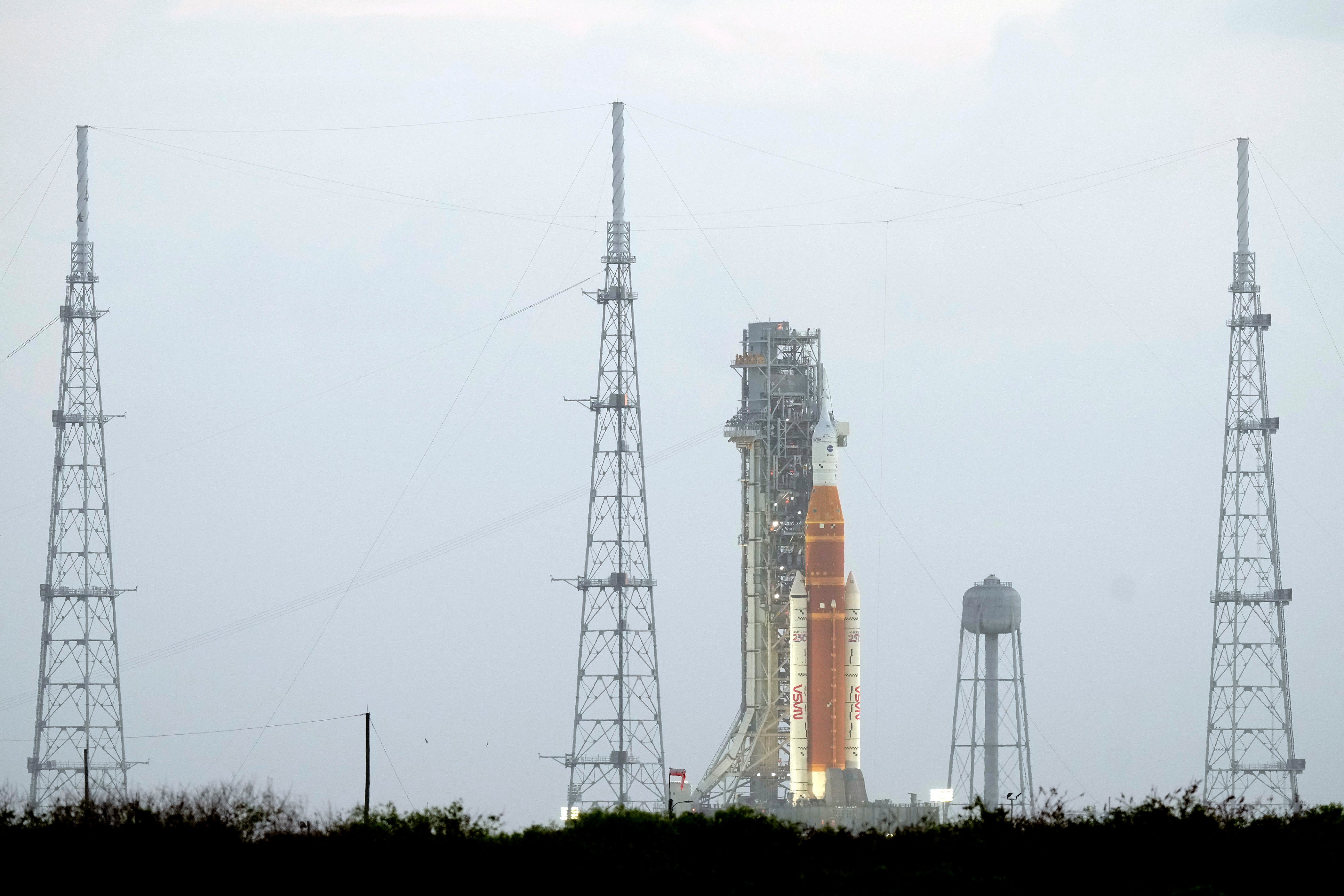
While the astronauts will not touchdown on the Moon, the Artemis II mission paves the way for a future lunar landing within the next couple of years.
The UK is playing a part in the mission, with the Goonhilly Earth Station, near Helston, Cornwall, helping to track the capsule on its epic celestial voyage.
In his letter to Col Hansen, ahead of the test flight, Charles wrote: “You will, most certainly, reflect upon the fragile beauty of Earth as it rises above the lunar horizon, just as your predecessors did half a century ago.
Marking the launch of @NASA's Artemis II mission to the moon, The King has written to mission specialist, Canadian Space Agency astronaut Colonel Jeremy Hansen - the first Canadian to travel on a moon mission - commending his leadership and vision.
— The Royal Family (@RoyalFamily) April 1, 2026
The first rocket to go around… pic.twitter.com/1G0AunrFp5
“May that sight renew in you, and in all who follow your journey, the conviction that we must learn from the lessons of how we have over-exploited and polluted our own planet, and thus care for the Universe, and all life contained within it, with reverence and a true sense of what is Sacred.
“In an age when humanity’s reach into the stars grows ever bolder it is vital that the Moon remains a beacon of peaceful scientific discovery rather than a theatre of exploitation.”
He added: “As you embark on this momentous endeavour, I send you and your fellow crew members my heartfelt good wishes.
“May the stars align in your favour, and may your safe return inspire countless others to uphold the values of sustainability, cooperation and wonder that the Astra Carta enshrines.”
The Artemis II mission previously had to be postponed by two months because of hydrogen fuel leaks and clogged helium lines.
The last time Nasa sent astronauts to the Moon was during Apollo 17 in 1972.
Nasa is pressing to land a crew there by 2028, before China does in around 2030.
FIFA appears to have technical difficulties with World Cup ticket sales
Meet ‘Rise’ the official mascot of the Artemis II moon mission
Prosecutors ‘providing investigative advice’ to police in Epstein probe, CPS say
The Latest: Fueling begins as NASA aims to send 1st crew to the moon in 53 years
More than 100 deep-sea creatures discovered in Coral Sea
Chimpanzee using floorboards for ‘drumming’ shows how music emerged in humans