A fragile 60‑day push to restart high‑stakes Iran–US talks has reportedly collapsed before it even began, with Tehran suspending its delegation's planned trip to Switzerland in protest at Israeli strikes in southern Lebanon that it claims breach a key clause of a new memorandum of understanding.
According to reports from Iranian and regional outlets, including Fars and Al‑Mayadeen, Iran has halted preparations for its delegation's trip to Switzerland, where the first round of indirect talks with US officials was expected to begin. They claimed that the situation on the ground has already rendered the process 'void.'
The US State Department has not commented on the matter.
Talks In Switzerland Scrapped Before They Start
Iranian negotiators had reportedly been preparing to travel to Switzerland to kick off what was meant to be a structured 60‑day negotiation period with the United States. However, those plans were abruptly frozen.
BREAKING: Iran has suspended its entire 60-day negotiation period with the US over the direct violation of the MOU's first clause, with Israeli attacks on southern Lebanon constituting a breach less than 24 hours after the MOU was electronically signed, per Fars and Al-Mayadeen.…
— The Hormuz Letter (@HormuzLetter) June 18, 2026
Tehran is now said to consider the process suspended in its entirety, citing what it describes as a 'direct violation' of the first clause of a memorandum of understanding tied to the talks. Tehran has warned mediators that a cessation of hostilities in Lebanon was a precondition for the ceasefire. They also said that indirect contacts will not resume until Israeli military operations stop.
The first clause in the US‑Iran MOU mandates an immediate and permanent end to military operations at all fronts, including Lebanon. The document was signed by Trump and Iran's leader on 17 June.
Lebanon Strikes Trigger Diplomatic Backlash
At the centre of the dispute are reported Israeli strikes in southern Lebanon, which Iranian officials argue undermine the framework meant to hold during the negotiation period.
Iran has not directly participated in the violence but is linking the developments in Lebanon to the viability of the US‑mediated diplomatic track, arguing that escalation on the ground makes dialogue impossible.
The situation has added another volatile layer to an already tense regional landscape, with multiple actors tied into overlapping conflicts and ceasefire arrangements.
Iran Issues Stark Suspension Warning
Iranian sources say the decision goes beyond simply postponing talks. Tehran is reportedly refusing to 'unilaterally fulfil its commitments' under the agreement until it receives assurances that Israeli military actions in Lebanon cease, the US adheres to its obligations under the first clause of the deal, and the negotiation environment is stabilised before any diplomatic engagement resumes. Until then, Iranian officials are said to consider the talks effectively cancelled.
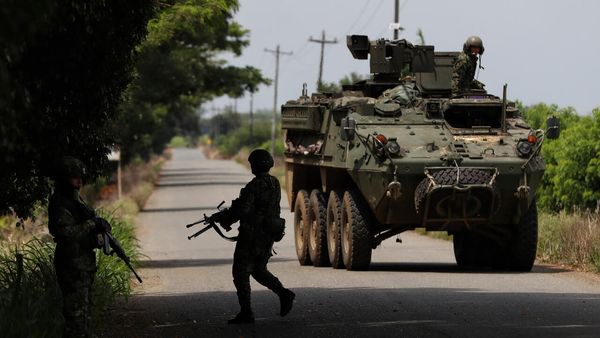
This week, reports confirmed that Israeli air attacks in Lebanon have killed at least three people. The said attacks were made after the US and Iran signed an interim agreement that called for the end of the war on all fronts.
US Diplomatic Push Dealt Major Blow
The sudden collapse represents a setback for efforts to reopen communication channels between Washington and Tehran.
The Swiss‑hosted negotiations were expected to mark a rare structured diplomatic framework, aimed at de‑escalation and establishing phased commitments over a 60‑day period. Instead, the process has now been thrown into uncertainty before it formally began.
Regional Tensions Rise As Trust Evaporates
The breakdown highlights the fragility of any diplomatic initiative in the region, where developments in Lebanon, Gaza and wider Middle Eastern theatres can quickly impact negotiations thousands of miles away.
Analysts say the episode reflects a recurring pattern: talks derailed not at the negotiating table, but by events on the ground. With neither side signalling a return to the table in the immediate term, the diplomatic track now appears frozen indefinitely.
Ahead of Iran's decision to suspend the 60-day negotiations, the country's Supreme Leader, Mojtaba Khamenei, said that US President Donald Trump 'used all kinds of leverage' to try and strike a deal with them. Even with negotiations in play, this does not mean that Iran would accept its enemy's position.