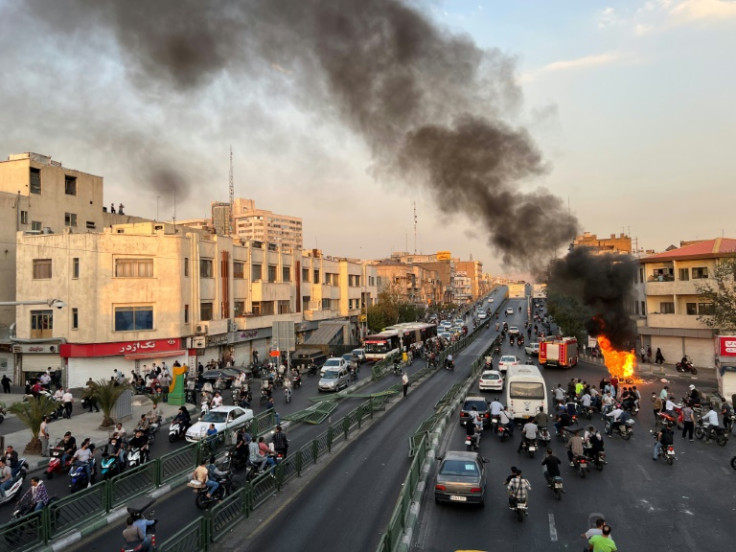
Iran has plunged into near-total isolation from the outside world after authorities imposed a nationwide internet and phone blackout amid escalating protests that have entered their 13th consecutive day. The unprecedented communications shutdown came as demonstrators across all 31 provinces took to the streets, shouting slogans against the clerical leadership and demanding economic relief and political change.
The unrest, which began in late December over soaring inflation, a collapsing currency and widening hardship, has grown into the most serious surge of anti-government demonstrations in years. Rights monitors say at least 44–45 people have been killed by security forces and more than 2,000 detained as state security units crack down on rallies and strikes.
The blackout, confirmed by internet-monitoring groups including NetBlocks and Cloudflare, effectively severed Iranians from global online access late Thursday, just hours after crowds filled streets from Tehran to Mashhad, Isfahan and smaller towns. Attempts to make international calls reportedly failed as authorities sought to curb coordination and external reporting of the unrest.
Inside Iran, Supreme Leader Ayatollah Ali Khamenei delivered a rare public address, accusing protesters of trying to "please US President Donald Trump," saying some rioters aim to "ruin their own streets to make the president of another country happy." He urged Iranians to focus on unity and dismissed the demonstrations as a foreign-backed attempt to destabilise the Islamic Republic.
State media echoed the hard-line line, blaming "terrorist agents" from the US and Israel for inciting violence and fires, while reporting casualties without giving independent details.
In Washington, President Donald Trump has taken an unusually assertive stance. He warned Tehran that further lethal repression of demonstrators could trigger a strong response from the United States, broadly framed as support for human rights and protection of peaceful protestors. Trump has repeatedly described the Iranians as "brave people" and criticised Tehran's leadership for its handling of the unrest.
However, Trump also clarified he would not meet exiled opposition figure Reza Pahlavi, the son of Iran's last shah, who has been calling for nationwide demonstrations and urging international backing. Trump said such a meeting "would not be appropriate" at this time, signalling caution in overtly aligning the US with an alternative Iranian leadership.
The US response reflects broader geopolitical calculation: Tehran's crisis has heightened focus on regional stability and human rights, even as Washington seeks to avoid direct entanglement. European and other Western diplomats have echoed calls for restraint and adherence to rights norms, even as the situation on the ground deteriorates.
Despite the digital blackout and heavy security presence, videos and witness accounts that preceded the outage showed large crowds chanting "Death to the dictator" and "Death to the Islamic Republic!" while setting fires and blocking key streets. Some demonstrators even voiced support for a return to monarchy, a rare and risky slogan under Iran's strict political order.
The regime's dual strategy, offering limited dialogue on economic pain while deploying force against perceived "rioters,'' has done little to calm the unrest. Analysts say the combination of deep economic frustration and political alienation continues to fuel defiance, even as authorities tighten control over movement and communication.
As Iran remains cut off from reliable independent reporting and foreign media, the full extent of casualties and arrests is difficult to verify. But the crisis has clearly crystallised into a test of the Iranian leadership's grip on power and raised complex questions about how far external powers, especially the U.S., will go in response.