Bad Bunny has made Emmy history in Los Angeles after his performance in Happy Gilmore 2 helped land the Netflix sequel a landmark set of nominations on Wednesday, an outcome fans say sharply undercuts Donald Trump following the US president's public feud and 'hatred' toward the Puerto Rican star.
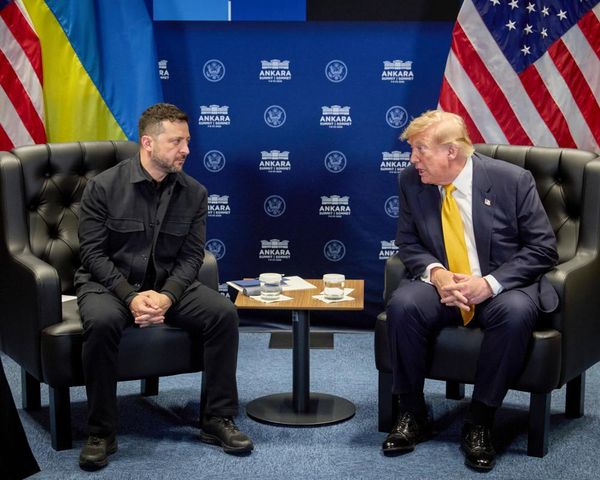
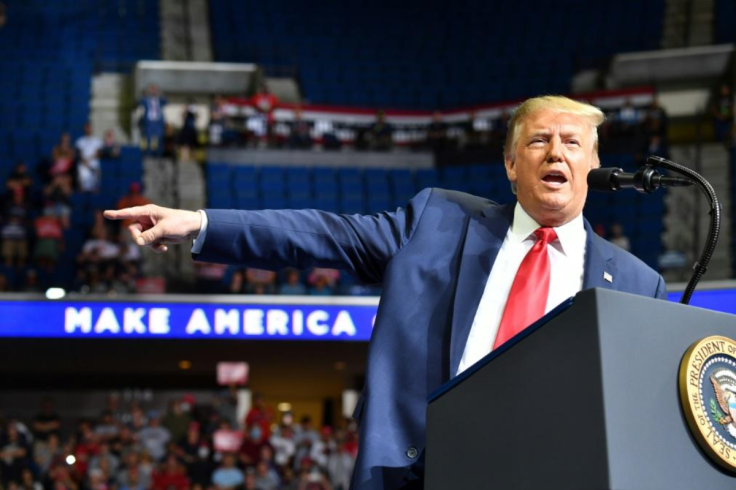
Trump and Bad Bunny clashed in 2020 after the rapper used his music and public platform to criticise the then-president's handling of Latino communities and hurricane relief in Puerto Rico. Trump's allies derided Bad Bunny as a 'political prop,' while the artist's supporters framed him as part of a new generation of unapologetically political Latino entertainers. That four-year-old culture war row is now being replayed on social media through the prism of Emmy night.
The latest flashpoint is Happy Gilmore 2. Bad Bunny appears opposite NFL star Travis Kelce in the film, playing a busboy who is bullied by Kelce's character, a restaurant manager, and later fantasises about a bizarre honey-and-bear revenge scenario. The film, fronted by Adam Sandler, was expected to do well with audiences, but the scale of its Emmy recognition this week appears to have surprised even industry watchers.
The sequel, which revives Sandler's 1996 cult golf comedy, has reportedly picked up multiple nominations, including historic recognition linked to Bad Bunny's role. Online, fans have been quick to describe it as a symbolic rebuke to Trump, who once dismissed Latin stars who criticise him as 'failures' and 'ingrates.' None of that language appeared in the Emmy announcements of course, but politics has never been far from the conversation.
On X, formerly Twitter, users circulated clips of the Bad Bunny–Kelce scene alongside screenshots of Trump's past barbs. One widely shared post described the nominations as 'poetic justice,' arguing that while Trump has spent years railing against Latino artists, "Bad Bunny is stacking Grammys and now Emmys.' Another user wrote that Trump's 'hatred only made him bigger.'

There is, to be clear, no evidence that Emmy voters were motivated by anything other than the show's merits and Bad Bunny's profile as a global performer. Television academies do not publish individual voting rationales, and nominations alone do not reveal intent. Still, awards shows have become proxy battlefields for the same cultural divisions that fuel Trump's politics, and artists like Bad Bunny are often pulled into that vortex whether they like it or not.
What is undeniable is the scale of the rapper's reach. Already a dominant force in music, he has been steadily moving into acting, from Narcos: Mexico to his turn here as Oscar, the busboy. His Emmy recognition now places him firmly inside the Hollywood awards ecosystem that Trump has spent decades both chasing and attacking, from his own reality television fame to his long-running animus towards what he calls the 'Hollywood elite.'
Bad Bunny's Emmy Moment Reignites Donald Trump Feud
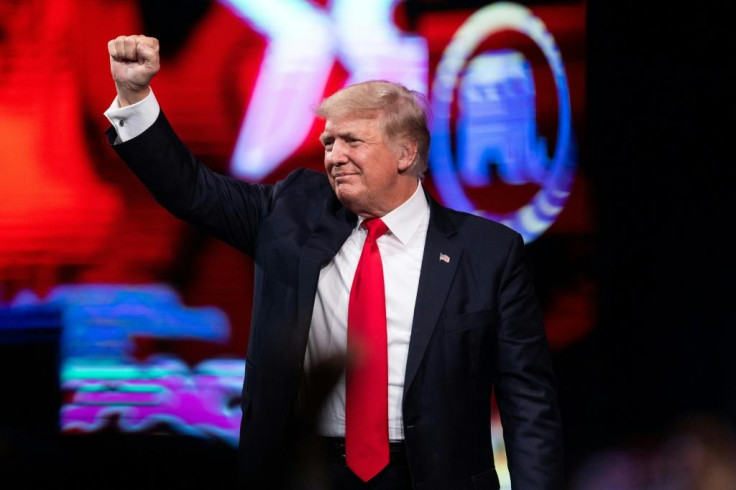
The Trump–Bad Bunny tension dates back to Trump's presidency, when the artist used performances and videos to highlight the devastation in Puerto Rico after Hurricane Maria and to call out the administration's response. At the time, right-wing commentators aligned with Trump accused him of exploiting tragedy for self-promotion, while Spanish-language media often cast him as a rare mainstream voice demanding accountability.
Those grievances never fully faded. Each time Bad Bunny has hit a new career peak, from global tours to chart-topping albums, partisan accounts have resurfaced the old clips and statements. The Emmy nominations have triggered the same pattern, with MAGA-leaning users mocking the awards as meaningless and fans of the artist pointing to them as evidence of how far he has travelled beyond Trump's orbit.
Some political commentators have been more cautious, noting that tying the fortunes of a single artist too tightly to Trump's perceived humiliation can distort what the awards actually recognise. They argue that the primary story remains the increasing prominence of Latino talent at major ceremonies, not the bruised ego of a president. Others counter that, given how often Trump has attacked cultural figures by name, it is hardly surprising when their subsequent success is read as a kind of score-settling.
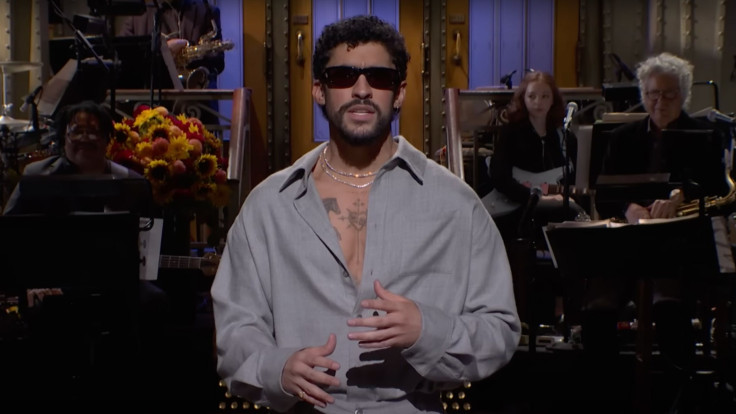
Nothing about the reported Emmy milestone has been confirmed in official academy statements that directly mention Trump, so any talk of deliberate snubs or coded messages remains speculation and should be taken with a grain of salt. What is clear, though, is that the narrative has already taken hold among viewers who see in Bad Bunny's rise a broader shift in who gets to be centre stage in American pop culture.
Culture Wars Follow Donald Trump Into Awards Season
The Bad Bunny moment sits inside a wider story about how Trump continues to loom over cultural life even as he pursues a political comeback. Every awards cycle seems to generate at least one viral narrative that positions Trump on one side and a celebrity or creative community on the other, whether he is the direct subject of a joke, the target of a speech or, as here, the foil in an online storyline.
For Trump's opponents, these symbolic defeats are satisfying, if largely symbolic. For his supporters, they fuel a long-standing grievance that entertainment institutions are stacked against them. Caught in the middle are artists who may be more focused on their craft than on serving as avatars of resistance or resentment, but who find themselves drafted into the culture wars as their careers ascend.
Bad Bunny has rarely engaged Trump by name in recent years, preferring to let his work and his audience speak for him. After this week's nominations, that audience seems determined to interpret his Emmy moment as yet another sign that the cultural tide has moved on from Trump, even if the political tide has not.