Vice President JD Vance has launched a scathing and controversial defence of a federal agent following the fatal shooting of a Minneapolis mother, described by the administration as a 'tragedy of her own making'.
Renee Nicole Good, 37, was shot and killed by Immigration and Customs Enforcement (ICE) agent Jonathan Ross on Wednesday, 7 January 2026, in a snowy residential neighbourhood.
Whilst video footage appears to show the mother attempting to drive away from federal vehicles, Vance has used a series of high-profile briefings to label the victim as 'brainwashed' by far-left ideology, claiming her death was the result of a coordinated effort to 'terrorise' law enforcement.
'A Victim of Ideology': Vance's Explosive Rhetoric
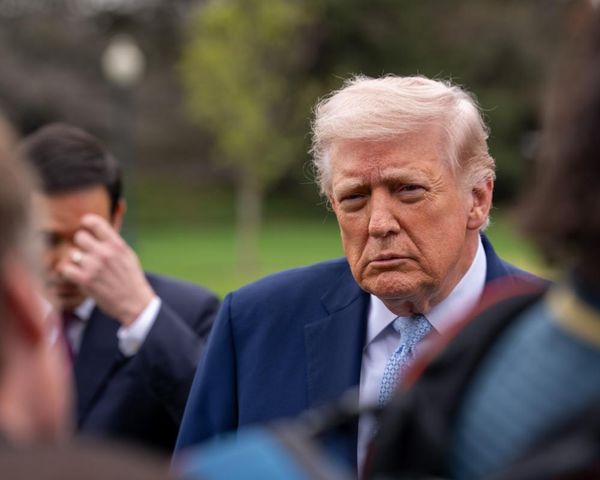
During a combative White House press conference on 8 January, Vance rejected the narrative that Renee Nicole Good was an innocent bystander. Instead, he alleged—without providing immediate evidence—that the mother of three was part of a 'broader left-wing network' designed to obstruct federal immigration operations.
'You've got to be a little brainwashed to get to that point,' Vance told reporters, questioning why a 'young mother' would find herself at the scene of a federal raid. 'She is a victim of left-wing ideology... this was an attack on law and order.'
The Vice President's comments have been branded 'vile' and 'dehumanising' by Minnesota officials, including Governor Tim Walz, who accused the Trump administration of running a 'propaganda machine' to shield federal agents from local justice.
The 'Absolute Immunity' Defence for Agent
At the heart of the administration's legal strategy is the doctrine of 'absolute immunity'. Vance has insisted that Jonathan Ross, a 10-year veteran of ICE's Special Response Team, cannot be prosecuted by the state of Minnesota because he was performing his federal duties. This stance has led to a constitutional standoff, as the FBI has reportedly seized control of the investigation, cutting off the Minnesota Bureau of Criminal Apprehension (BCA) from scene evidence and witness interviews.
Who Is Jonathan Ross?
Ross, who works out of the ICE field office in St Paul, Minnesota, appears to have been the key figure in an earlier incident that administration officials have cited to justify his actions.
In June 2025, he was involved in the arrest of Roberto Carlos Munoz-Guatemala, a Mexican national, in Bloomington when the suspect allegedly ignored commands to fully roll down his car window.
According to reports, Ross broke open the vehicle's rear window and reached inside to unlock the door, at which point Munoz reportedly accelerated towards the curb, dragging Ross and leaving him with more than 30 stitches on his leg.
Homeland Security Secretary Kristi Noem has maintained that Ross 'followed his training' and has experience in similar law enforcement situations. Little else is publicly known about the officer, though social media posts suggest he may be an Iraq War veteran who previously lived near Fort Bliss, a US Army base in New Mexico.
The Administration's Divisive Response to the ICE Shooting
The Trump administration has leant heavily on the June incident to argue that Ross's actions were justified, with Vance, Noem, President Donald Trump, White House Deputy Chief of Staff Stephen Miller, and other officials defending the shooting. Vance, during the presser, went so far as to blame the victim, suggesting her actions warranted such a response, whilst also appearing to reference the previous incident during a press conference on Thursday.
'You think maybe he's a little bit sensitive about somebody ramming him?' Vance said, according to reports. The Vice President has further claimed Ross is shielded by 'absolute immunity,' a legal doctrine that protects federal agents from civil liability in certain circumstances.
However, critics and legal experts have called for murder charges against Ross, pointing to video footage that they argue contradicts the administration's narrative. The defence of the officer's actions has drawn particular ire from those who question whether a mother dropping her child at school should have faced such a grave outcome.
The case highlights the ongoing tension between law enforcement protections and public accountability, with immigration enforcement taking centre stage in a heated national conversation about the boundaries of officer conduct. As investigations continue, the competing narratives surrounding what transpired on that fateful morning reveal deep divisions over justice, immunity, and the safety of everyday Americans in their own vehicles.