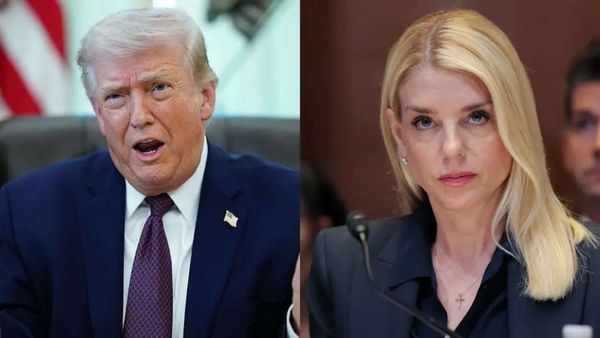
The 11 US World Cup host cities are facing a collective shortfall of at least $250m, due to a highly restrictive deal from Fifa that may yet see the federal government – as well as local and private funding – have to pick up the costs.
Some cities are so desperate that they are being forced into pitches for sponsorship to “local dry cleaners and mechanics”, in the words of various sources. Fifa’s own commercial contracts mean cities can’t even do deals with local convenience store chains, as their sale of food is considered to cut across primary partners, such as McDonald’s, all as the global governing body is set to retain virtually all of the $11-14bn revenue the 2026 World Cup is expected to generate.
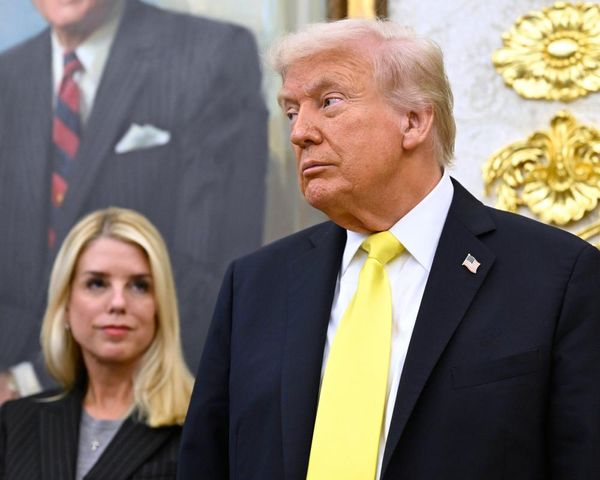
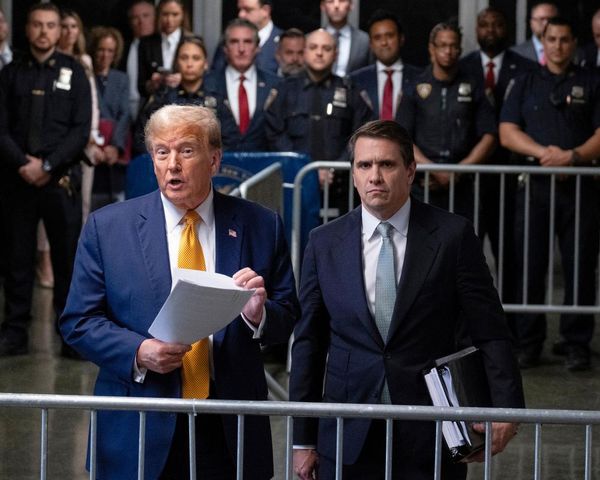
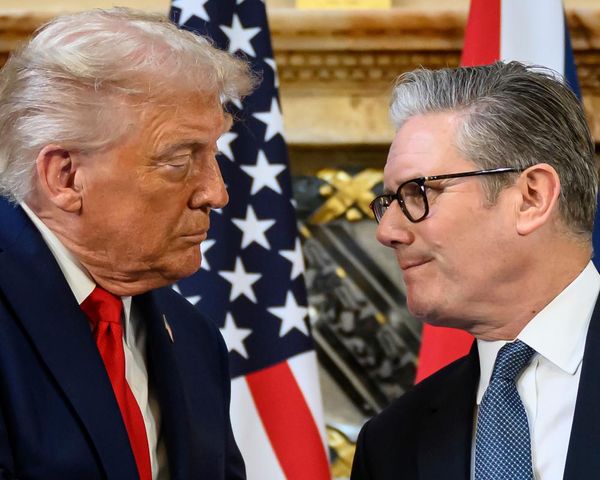
This has created increasing frustration in the host cities, who feel they aren’t “getting any help from anyone”, as sources openly ask whether “Donald Trump is aware he has become the figurehead” for what is described as “the worst deal in Fifa World Cup history”.
Fifa sources would counter that they are working with cities every day in a programme never done before, as they work out the nuances unique to each city as the tournament gets closer, including in terms of financial help.
The shortfall may nevertheless mean cutting back on key tournament elements, like FanFests being open every day, due to costs. Though sources inside Fifa point out that all revenue from FanFests goes directly back to host cities, numerous insiders are even criticising the organisation, as taking an attitude to this World Cup that seems less concerned with host legacy than ever before, illustrated by the fact there was minimal mention of development in Friday’s draw – with virtually no presence by the host national football federations.
The idea is now frequently being described by sources as a poorly designed programme that no one would be likely to repeat – particularly for the Women's World Cup in 2031, which the US is also due to co-host. Such a process also raises questions over whether the 2035 Women's World Cup in the UK will face similar issues, and whether the host cities have been given any assurances.
Fifa insiders would insist this is built on what they see as the success of the 2025 Club World Cup.
The situation has largely emerged from the governing body’s own new approach of getting rid of the old “Local Organising Committee” and moving virtually all logistics in-house. This brought the creation of the new “Host City Supporter” programme, which Fifa alone designed and set the rules for. It involved the host cities – Atlanta, Boston, Dallas, Houston, Kansas City, Los Angeles, Miami, New York/New Jersey, Philadelphia, San Francisco, Seattle, to go with two in Canada and three in Mexico – signing up to contracts where they bore most of the costs, with limited access to tournament revenue, but on the understanding this could be made up by the new programme.
The aim was that every city would make around $25-30m from this, through a total of 10 Host City deals per city, but most cities are currently nowhere close to either target due to how restrictive Fifa’s own sponsorships are.
The governing body has created three tiers: the first being primary partners – such as long-time sponsors Coca-Cola – the second being specific 2026 tournament sponsors, like Bank of America, and the last being local sponsors.
The category limitations have ensured that host cities can’t do a deal with any institution that cuts across Fifa’s own deals.
Since companies like Bank of America have signed mega-contracts to be associated with the World Cup, it means they would object to any other financial institution enjoying similar benefits. As one example, Philadelphia explored a $5m deal with local convenience store chain, Wawa, but the company’s sale of food was considered a breach of Fifa’s exclusivity agreement with McDonald’s.
This locks off the cities to almost any sponsor of high value, since Fifa generally have a deal or plans for a deal in such industries, forcing cities to go more parochial.
This has created huge headaches for the cities, as they have agreed to take on the burden of costs like security, transport and even the classic elements like fan festivals. That could end up costing in the range of $100-250m, with cities already finding that costs have gone up as tournament requirements have become clear.
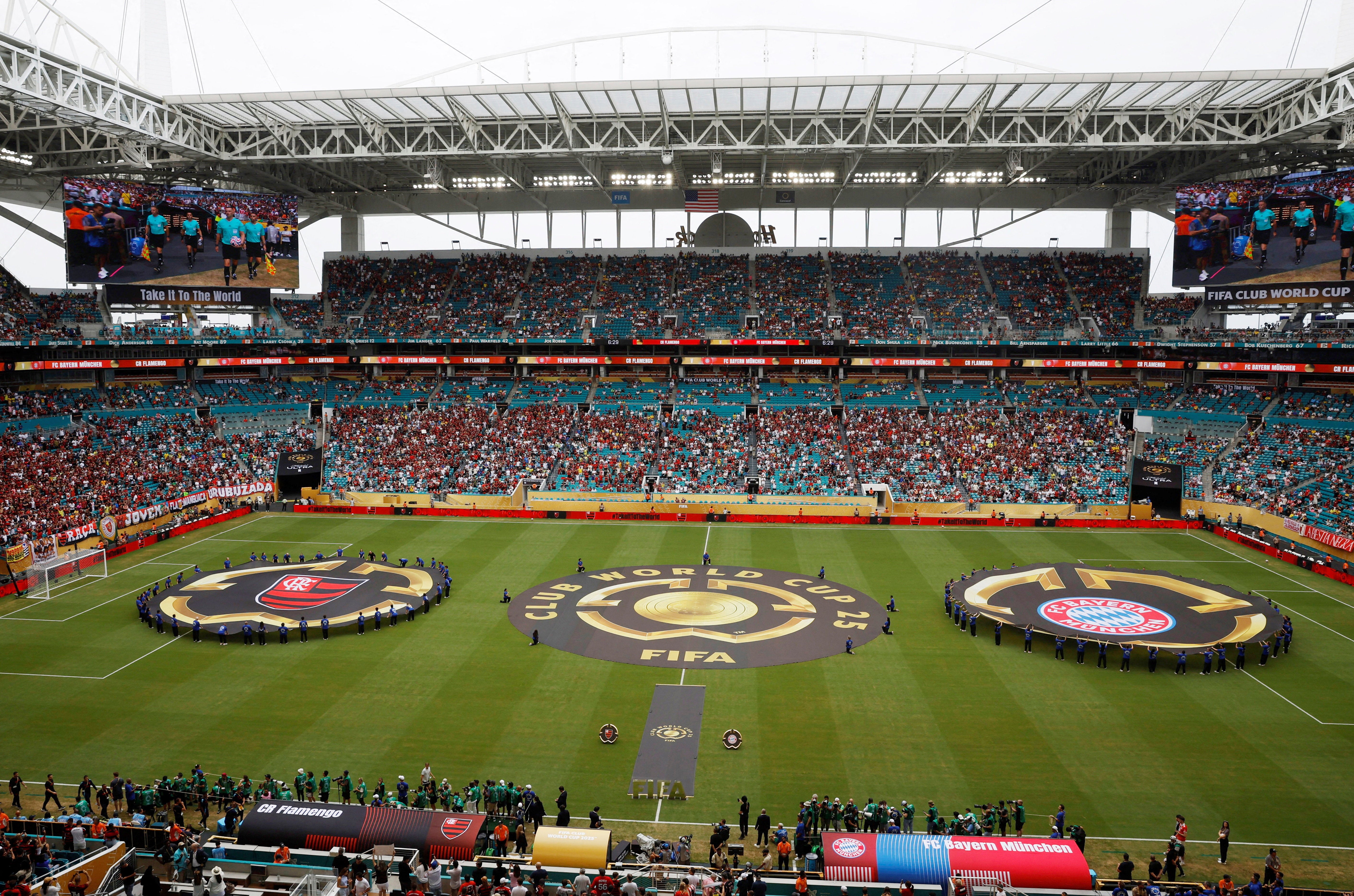
While it is expected that the federal government will eventually grant the cities a collective $625m in funding, that is still being lobbied for, and an average of $56.8m won’t come close to meeting costs.
The Independent understands that only two cities – Houston and Atlanta – have so far performed well in the programme, with very few others so far announcing “Host City Supporter” deals.
That could mean the federal government having to pick up even more of the shortfall, while also forcing cities to lean on local and private interests, with the additional prospect of indirectly pushing up other supporter costs.
There is a widespread belief Fifa could have done more to remedy this, given that this is expected to be a record-breaking World Cup in terms of revenue. The expansion to 48 teams was already anticipated to bring in $11bn, up from $7b in Qatar, but some sources now feel that might go as high as $14b.
There is also frustration since cities felt it was indicated to them that Fifa’s primary partners and tournament sponsors would be investing in host cities, but this has so far not come to fruition.
It is felt Fifa could have created a national package sharing at least some revenue with the cities.
As one source puts it, “Fifa weren’t willing to subsidise, so they created this other programme, and then strangled it once it was out there”.
Several figures familiar with the logistics around tournaments believe this is the biggest weakness of doing away with local organising committees.
Such bodies were usually led by senior figures with considerable experience of both the host countries and Fifa, who were constantly looking at how a World Cup could benefit both in the short term and long term. Many have naturally cited the example of Alan Rothenberg for USA 1994, who would deal with Fifa every day, but also ensured cities were collectively represented. Many hosts now feel they have no unified presence.
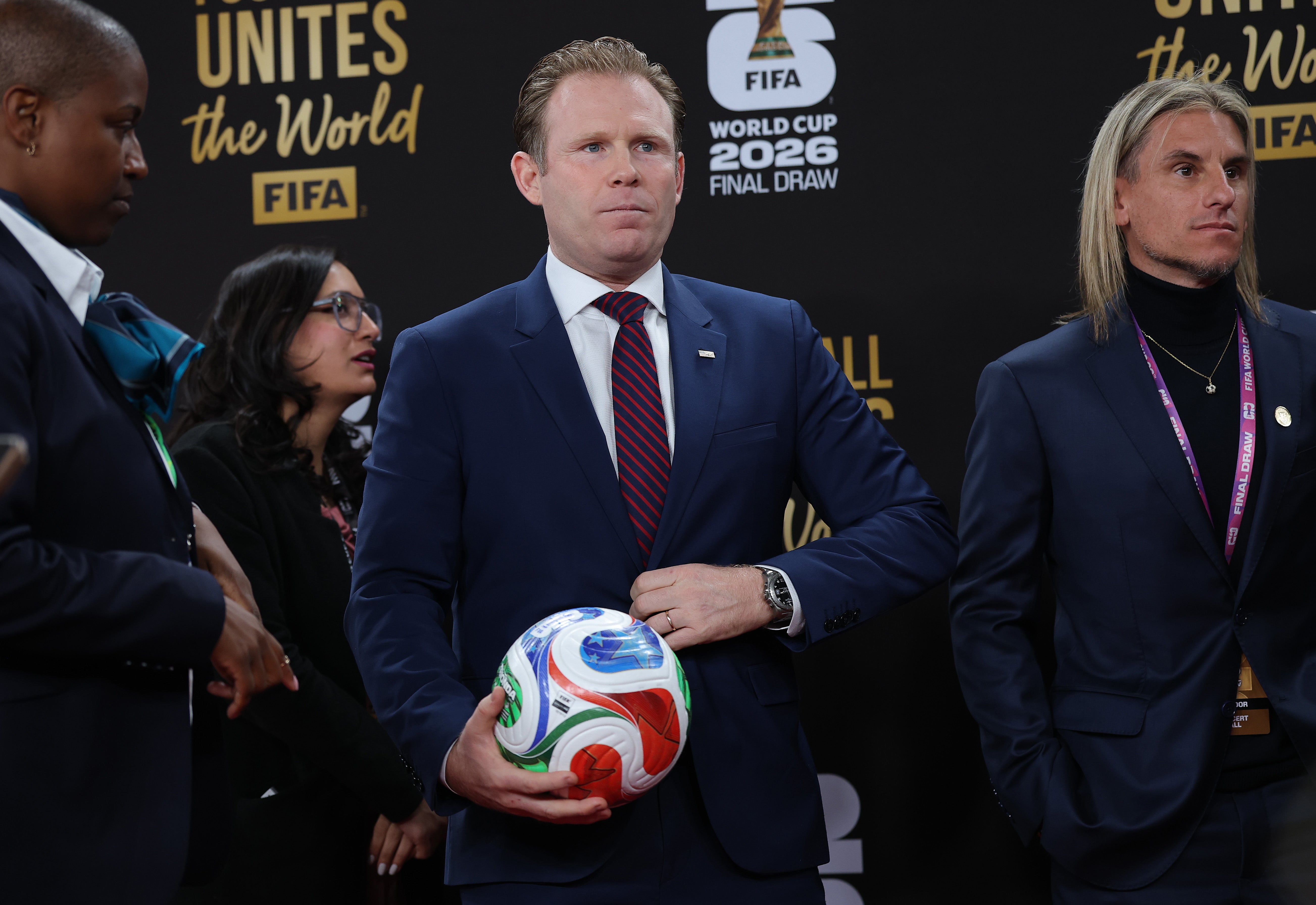
The Trump administration has delegated the day-to-day responsibility of heading the government’s World Cup preparations to Andrew Giuliani, the son of disgraced ex-New York City mayor Rudy Giuliani.
Mr Giuliani was appointed as the head of the White House Task Force for the Fifa World Cup 2026 this past May, two months after Mr Trump signed an executive order establishing the task force to “support preparations through a coordinated government effort”.
The only member of the task force who appears to have any experience with football matters is Carlos Cordeiro, the adviser to Gianni Infantino adviser who, in 2020, was forced to resign as head of the US Soccer Federation (USSF) after it argued in a court filing that the federation was justified in paying the four-time Women’s World Cup-winning US national team far less than the comparatively unsuccessful men’s team because the job of a men’s team player “requires a higher level of skill based on speed and strength”.
Mr Giuliani and the White House declined to respond directly to queries from The Independent on whether Mr Trump was aware of the host cities’ sponsorship difficulties and the budget shortfall that could result – and whether he plans to take steps to address the problem.
Instead, a White House spokesperson replied with a statement attributed to Mr Giuliani focusing entirely on funding for security preparations.
“To ensure that the largest World Cup in human history will also be the safest, President Trump secured $625m in the One Big Beautiful Bill for host cities to strengthen safety and security, along with an additional $250m for the next two years to prevent unauthorized drones during tournaments and fan fests,” he said.
Trump, Infantino and Ferdinand’s bad jokes: Inside Fifa’s shambolic and shameful 2026 World Cup draw
Gianni Infantino accused of breaking Fifa rules after giving Peace Prize to Donald Trump
Fifa announce three-minute hydration breaks for World Cup - regardless of temperature
Soccer peace prize for Trump triggers complaints about Infantino to FIFA ethics investigators
Lionel Messi wins MVP award as he creates MLS history
African nation ‘angry’ after Fifa ruling throws Afcon plans into disarray