The Trump administration is preparing a rescue mission for a struggling commercial carrier. Facing imminent collapse, Spirit Airlines might soon trade its civilian routes for federal duties under a new proposal.
Government officials are exploring options to transform the beleaguered budget airline into an operational extension of the United States military. Instead of shutting down for good, the airline could actually stay in business by flying government employees and moving cargo.
Using the Defense Production Act for National Security
Word is that the White House might tap into the Defense Production Act to help push this takeover through. Basically, this is an emergency law that gives the president broad power to step in and direct how private companies operate.
With this law in place, the government plans to use the airline's empty planes for national security purposes. Under this strategic framework, Spirit Airlines would transport military equipment, vital cargo, and active-duty troops during periods of excess space.
The arrangement essentially shifts the company from a private budget carrier into a state-sponsored aviation asset. Officials believe this approach provides a viable pathway to sustain the airline whilst simultaneously addressing logistical military needs.
Securing a $500 Million Bailout to Protect 14,000 Workers
The financial architecture of this rescue relies on a massive injection of federal capital. Negotiations are underway for a $500 million financing package to stabilise the company.
In return for stepping in with this crucial funding, the U.S. government might take up to a 90 percent ownership stake in the airline. This setup puts federal interests first while the company tries to sort out its massive debts.
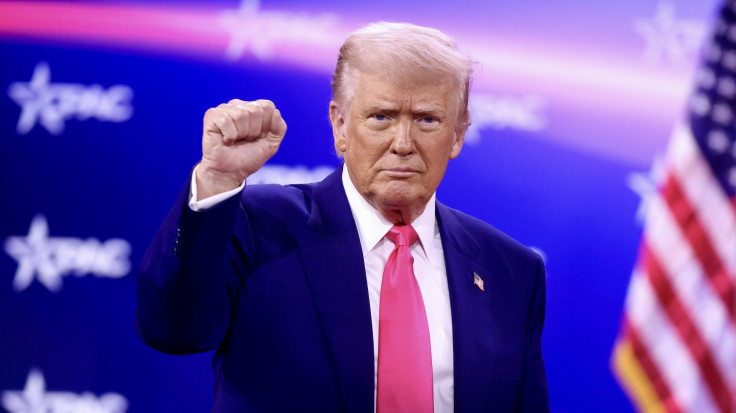
President Donald Trump recently pointed out just how many jobs would be lost if the company went completely under. Emphasising the necessity of federal intervention on CNBC's Squawk Box, he stated, 'It's 14,000 jobs, and maybe the federal government should help that one out.' This federal intervention marks a significant expansion of government involvement within the private aviation sector.
Commerce Secretary Howard Lutnick has emerged as a primary advocate for this government-ownership approach as an alternative to the airline's failure.
Navigating Regulatory Failures and Soaring Fuel Costs
The Florida-based airline has filed for Chapter 11 bankruptcy twice within two years. The airline's ongoing money problems really boil down to a tough mix of skyrocketing costs and major regulatory roadblocks.
Earlier, the Biden administration's Department of Justice stopped Spirit from merging with JetBlue. Current White House officials claim that blocking this deal is exactly what pushed the company to the brink of collapse today.
On top of those financial headaches, global tensions are making things miserable for the entire airline industry. The ongoing conflict involving Iran has sent jet fuel prices through the roof, which easily wiped out the carrier's tiny profit margins.
🇺🇸 The Trump administration wants to use a wartime emergency law to hand Spirit Airlines $500M and take a 90% ownership stake.
— Mario Nawfal (@MarioNawfal) April 24, 2026
Spirit has under 2% market share and is filing for bankruptcy for the second time in two years.
Even Ted Cruz called it a "terrible idea." Let that… pic.twitter.com/rYm3kwsUjF
Preserving Valuable Airport Slots and Aviation Assets
Industry analysts are monitoring how a government-backed airline might alter the competitive landscape. A successful federal intervention would preserve highly coveted operational infrastructure that might otherwise be rapidly auctioned off.
In early April, Spirit and United Airlines executives approached the White House with a partial liquidation plan that involved selling valuable scheduled slots at Newark Airport. The administration rejected this proposal, preferring to maintain integrated assets to make the airline more attractive to future buyers.
Administration insiders suggest the ultimate objective is to stabilise the business before selling it to another commercial carrier. Right now, officials are mostly focused on ironing out the final rescue plan to stop massive layoffs from happening right away.
As of April 25, 2026, they are still hammering out the final terms of the deal, so things could certainly still change. If this massive bailout falls through, Spirit Airlines will likely have to sell off its assets and shut down for good.