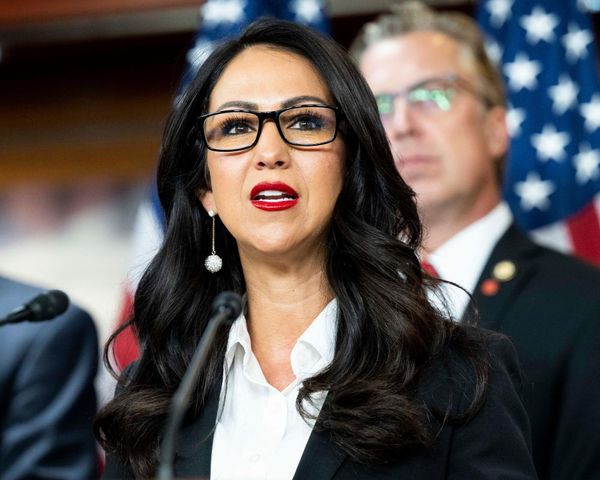
Former CIA Director Robert Gates said Cuba's greatest national security risk to the United States is not an imminent military attack, but the possibility that the island's deepening crisis could produce another mass migration emergency like the 1980 Mariel boatlift.
"The biggest risk is that we end up with another Mariel evacuation from Cuba that has tens of thousands of Cubans heading to the United States out of desperation," Gates told Margaret Brennan in an interview with CBS's Face the Nation.
Gates, who also served as defense secretary under Presidents George W. Bush and Barack Obama, said Cuba has affected U.S. national security through its overseas activities, including its long involvement in Venezuela. But he drew a distinction between Havana's regional operations and a direct threat to the United States.
"They have been involved in ways that have impacted our national security and our interests in their engagement in other countries for a long time," Gates said, according to CBS, referring to Cuban security forces and advisers abroad. "Other than in these, if you will, peripheral ways, I think the main threat is, frankly, is collapse."
Former CIA Director Robert Gates says the biggest national security risk posed by Cuba to the U.S. is "another Mariel evacuation… that has tens of thousands of Cubans heading to the United States out of desperation."
— Face The Nation (@FaceTheNation) May 15, 2026
"They have been involved in ways that have impacted our… pic.twitter.com/N71pJSmJbt
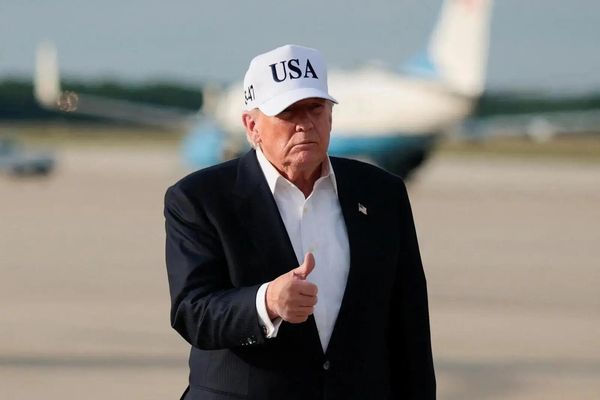
The warning comes as President Donald Trump has escalated pressure on Cuba and publicly threatened possible military action against the island. CBS reported that the Trump administration has imposed an oil blockade that experts say has pushed Cuba into one of its most severe economic crises since the collapse of the Soviet Union, while Cuban officials said this week the country had run out of fuel.


Gates' reference to Mariel carries heavy historical weight in Florida and Washington. The 1980 Mariel boatlift brought about 125,000 Cubans to the United States after a period of economic turmoil and political dissent on the island, straining social services in Florida and prompting state and federal emergency declarations.
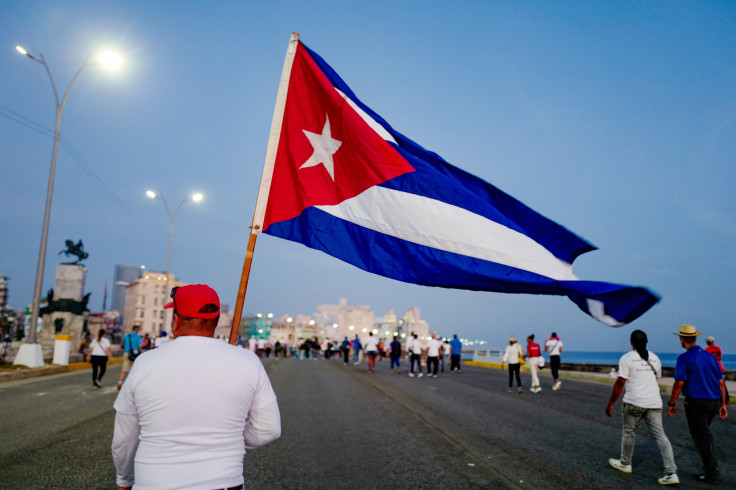
Cuba is facing severe diesel and fuel oil shortages, causing widespread blackouts, interruptions to basic services and protests in Havana. Energy Minister Vicente de la O Levy blamed what he called a near-total U.S. energy blockade, while Trump administration officials have argued the pressure is aimed at forcing political and economic change.
Cuba's population crisis has added to the instability. Le Monde reported last year that Cuba's official population fell to 9.75 million by the end of 2024, down from its 2012 peak, with births at historic lows and migration draining the working-age population. Independent demographers cited by the newspaper said the real population may be closer to 8 million, reflecting a far sharper decline since 2020.
The migration pressure is not theoretical. The Migration Policy Institute reported that Cubans have made up the largest Caribbean immigrant group in the United States and that recent years produced the largest wave of emigration in Cuba's modern history.
Gates' warning suggests that Washington's Cuba problem may be less about Havana's conventional military power than about what happens if the Cuban state can no longer manage fuel, food, electricity, public services or migration controls.
CIA Director John Ratcliffe traveled to Havana on Thursday for a rare meeting with senior Cuban officials, CBS reported, carrying a message that Washington was prepared to expand economic and security engagement if Havana made "fundamental changes."
For Gates, the central question appears to be whether pressure on Cuba produces reform or rupture. If it produces rupture, the consequences could move quickly from Havana's power grid to Florida's shoreline.
© 2025 Latin Times. All rights reserved. Do not reproduce without permission.